

This site is dedicated to the men and women who served in the Great War from the towns of Irvinebank, Watsonville, Stannary Hills and other small towns and mining camps in the hills west of Herberton, Far North Queensland, Australia. It is hoped that any person reading these pages who has any further information on the people covered in this site will contact “Irvinebank District Anzacs” so we can add the information to the site. Most of the names listed have some connection with all the towns and places named. Some may have been born in one town and enlisted from another, some may have been born in one town and married, lived or worked in another town. Some came from other parts of Queensland, other states and some from other countries. Some enlisted to fight for King and Country, some because they had other family members and friends who had already enlisted, some because they were shamed into it and some for the great adventure. All of them went of to war thinking that it is the right thing to do. They are all heroes who served their country.
The Battalion/Unit colour patch shown is the Battalion/Unit they mostly served in or the last Battalion/Unit they served in. Except where their Battalion/Unit was disbanded at the end of the war and they were transferred to another Battalion/Unit before returning to Australia.
To navigate this site scroll down and find the town you are interested in, find the person of interest and click on the bullet point and their story will drop down, to close click the bullet point again. Click on the hilighted words for more information. If you have any questions or information on the people on this site please email Irvinebank District Anzacs at – irvinebankdistrictanzacs@gmail.com
This site is also deadicated to the late Don Lamb, Far North Queensland Rifle Club/First World War researcher and the late Blue McAlister of Watsonville who researched and built the Watsonville Honor Board. He was also one of the instigators in starting the Watsonville ANZAC Day service.



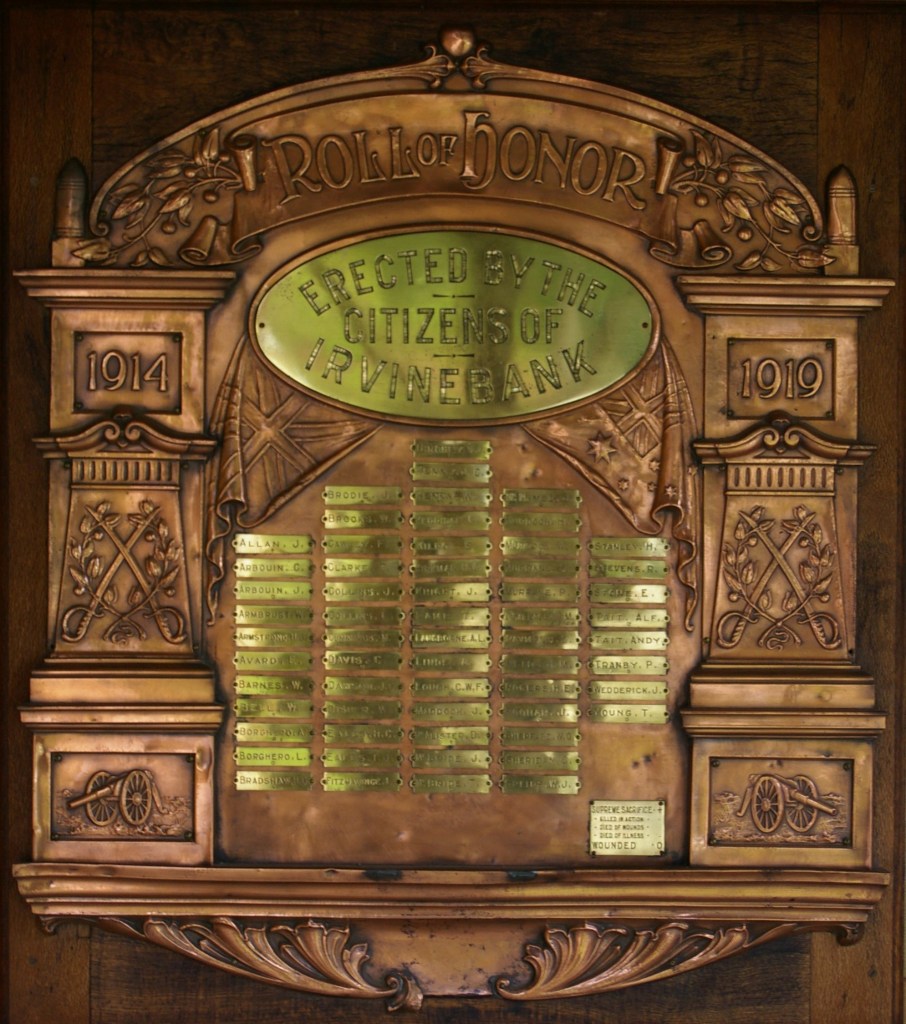
Names listed on the Irvinebank Roll of Honour.
Lance Corporal, John Allan, 5980, 9th Battalion, 19th Reinforcement.


John Allan, son of Alexander and Annie Allan nee Jors was born in Irvinebank, Queensland on the 23rd March 1893 and was enrolled at Irvinebank State School on the12th October 1898, aged 5 years. As a young man John worked in Irvinebank as a shop assistant/clerk and was a member of the Irvinebank Rifle Club. At the outbreak of the war he volunteered with the Citizens Military Force (Kennedy Regiment) and embarked aboard the “Kanowna” from Cairns on the 8th August 1914 for garrison duty on Thursday Island. He then volunteered for overseas services with the Australian Naval and Military Expeditionary Force on the 14th August and embarked from Thursday Island aboard the “Kanowna” for Port Moresby on the 16th August. John enlisted in the Australian Imperial Force on 12th February 1916 at Townsville, Queensland aged 22 years. He embarked from Brisbane, Queensland on the 8th September 1916 on H.M.A.T. A50 “Itonus” and disembarked at Plymouth, England on 15th October 1916.
John was hospitalised in England on the 30th December 1916 and when recovered he was ordered to France on 2nd March 1917. John was wounded in action on 13th April 1917, the wound was only minor and he rejoined his Battalion on 27th April 1917. He was promoted to Lance Corporal on 20th October 1917. Lance Corporal John Allan was killed in action on 10th November 1917 at Passchendaele, Belgium aged 24 years. His grave is at Tyne Cot Cemetery, Passchendaele, Flanders, Belgium.
Private, Charles Edward Arbouin, 2823, 4th Pioneer Battalion, 6th Reinforcement.
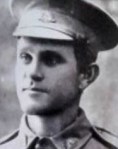
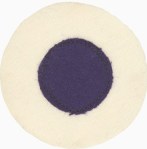
Charles Edward Arbouin was born at Herberton, Queensland on the 24th June 1885 to James and Margaret Arbouin nee Graham. As a young man he worked around the Herberton/Irvinebank area as a tin dresser. Charles was a member of the Irvinebank rifle club and at the outbreak of the war he volunteered with the Citizens Military Force (Kennedy Regiment). He embarked aboard the “Kanowna” from Cairns on the 8th August 1914 for garrison duty on Thursday Island. He then volunteered for overseas services with the Australian Naval and Military Expeditionary Force on the 14th August and embarked from Thursday Island aboard the “Kanowna” for Port Moresby on the 16th August. Charles enlisted in the Australian Imperial Force at Cairns, Queensland on 10th June 1916 aged 29 years. He embarked from Brisbane, Queensland on H.M.A.T. A36 “Boonah” on 21st October 1916, disembarking at Plymouth, England, on the 10th January 1917. Charles was admitted to hospital with bronchitis on 3rd February 1917 and discharged on 28th February. On 8th April 1917 Charles was charged with neglecting to obey a lawful command given by his superior officer and given 21 days detention. On 25th June 1917 Charles proceeded to France and took part in the Spring Offensive at Hebuterne, Dermancout and the Hundred Days campaign late in 1918. He embarked England on the 1st July 1919 aboard the “Frankfurt” and disembarked at Melbourne, Victoria on the 20th August 1919. Charles was discharged from the Austrailan Imperial Force at Brisbane, Queensland on the 6th October 1919. He married Eva Catherine Lovell Hough on the 28th September 1926. Charles Edward Arbouin died at Atherton, Queensland in May 1972, aged 86 years.
Sapper, James Joseph Arbouin, 6077, 6th Field Company Engineers, 3rd Reinforcement.


James Arbouin was born at Irvinebank, Queensland on the 1st May 1892 to Edward and Agnes Arbouin nee Howe, he attended Irvinebank State School from 1897 to 1903. He was a member of the Irvinebank Rifle Club and worked as a mechanic. At the outbreak of the war he volunteered with the Citizens Military Force (Kennedy Regiment) and embarked aboard the “Kanowna” from Cairns on the 8th August 1914 for garrison duty on Thursday Island. He then volunteered for overseas services with the Australian Naval and Military Expeditionary Force on the 14th August and embarked from Thursday Island aboard the “Kanowna” for Port Moresby on the 16th August. He enlisted in the Australian Imperial Force at Townsville, Queensland on 20th September 1915 aged 23 years. James embarked for overseas from Brisbane, Queensland on H.M.A.T. A40 “Runic” disembarking at Alexandria, Egypt on the 27th January 1916. On 18th June James sailed from Alexandria to Marseilles France. James was wounded in action on 20th July 1916 and admitted to the 3rd Canadian Stationary Hospital, Boulogne with a severe gunshot wound to the right shoulder on 21st July 1916. Returning to England on the Hospital Ship “Jan Breydel” from Boulgne on 21st July 1916 he was admitted to the 1st Southern General Hospital Edgbaston, Birmingham, England in September 1916. Sapper James Arbouin returned to Australia on the H. T. “Ajana” on the 17th of October 1916 and arrived at Melbourne, Victoria on the 8th of December 1916. He was discharged from the Australian Imperial Force at Brisbane, Queensland on the 17th January 1917 as an invalid. James married Beatrice May Crossman on the 20th June 1917, they had 3 known children. James Joseph Arbouin died on the 21st July 1969 aged 77 years and is buried in the Atherton Cemetery.
Driver, John William Armbrust, 30102, 9th Field Artillery Brigade, 6th Reinforcement.

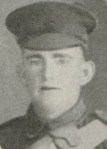
John William Ambrust was born in Cooktown, Queensland on the 17th October 1882 to Nicolous and Rebecca Armbrust nee Harriss. John worked as a butcher in Irvinebank and enlisted in the Australian Imperial Force at Cairns, Queensland on 15th of April 1916 aged 34 years. He left for overseas on the H.M.A.T. A24 “Benalla” from Sydney, New South Wales, on 9th November 1916 arriving in England in January 1917. On 3rd March 1917 John was admitted to hospital for Synovitis. (Inflammation of the joints). On discharge from hospital John left England for Rouilles, France on 18th June 1917. While in the field he was again admitted to hospital in December 1917 for a trachoma condition before re-joining his unit. Returning from leave in England on January 1918 and re-joining his unit in the field, ill health once again found John admitted to hospital in November 1918, this time for a bout of acute laryngitis and rheumatism. Poor health was to follow John over the next few months with more hospital care required. John returned to England on the “Brighton” on the 7th December 1918 where he was admitted to Beaufort War Hospital, Bristol. Finally on 24th of March 1919, John embarked from England aboard the “Czar” to Alexandra, Egypt and then to Australia on the “Dongola” disembarking at Melbourne, Victoria on the 16th May 1919. He was discharged from the Australian Imperial Force at Brisbane, Queensland on the 29th June 1919. He married Annie Margaret Lawrence on the 13th July 1926 at Mackay, Queensland. John William Ambrust died on the the 20th June 1943 at Mackay Queensland and is buried at the Mackay City Cemetery, West Mackay, Queensland.
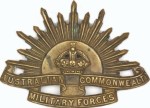
2nd Lieutenant, Herbert James Armstrong, 2028, 42nd Battalion, 3rd Reinforcement.
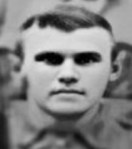
Herbert Armstrong was born at Collingwood, Melbourne, Victoria in 1889 and was living in Irvinebank and working as an accountant at the time of his enlistment. The son of Herbert James Armstrong of Armstrong, Ledlie and Stillman stores and Florence Ann Coop. He was a member of the Irvinebank Rifle Club and at the outbreak of the war he volunteered with the Citizens Military Force (Kennedy Regiment) and embarked aboard the “Kanowna” from Cairns on the 8th August 1914 for garrison duty on Thursday Island. He then volunteered for overseas services with the Australian Naval and Military Expeditionary Force on the 14th August and embarked from Thursday Island aboard the “Kanowna” for Port Moresby on the 16th August. He enlisted in the Australian Imperial Force at Cairns, Queensland on the 15th January 1916 aged 25 years. On September 7th 1916 he embarked for overseas services on the H.M.A.T. A46 “Clan McGillivray” arriving in Plymouth England on November 2nd 1916. He embarked for France on December 19th 1916. His ranking often changed over the next two years. In May 1917 he was promoted from Private to T/Corporal and then to Lance Corporal. In August 1917 he was appointed to the rank of Corporal, Acting Sergeant and then 2nd Lieutenant. During his time overseas Lieutenant Armstrong required medical treatment for scabies, rheumatism, ulcers on his thigh and a dislocated shoulder. He was wounded in action in October 1917, probably at the battle of Passchendaele, Belgium, and was admitted to hospital with a severe gunshot wound to his left arm and abdomen. On October 11th 1917 he was evacuated wounded for England on the H.S. “Stad Antwerpen” and placed on the seconded list. He embarked from England on the 30th January 1918 on the A14 “Euripies” and disembarked at Melbourne, Victoria on the 21st March. Herbert was discharged from the Australian Imperial Force at Brisbane, Queensland on the 25th April 1918. He married Emily Frances Violet Barnard on the 30th April 1919, they had 3 known children. Herbert James Armstrong died at Atherton, Queensland the 5th June 1958 and is buried at the Atherton Cemetery.
Private, Ernest Arvard, 19, 25th Battalion.

Ernest Arvard was born at Maidstone, Kent, England in January 1889. His father is recorded as Charles Avard, Maidstone, Kent, England and his mother as Emma Goodbody. Ernest’s address is recorded as C/- H. Gifford, Irvinebank, Queensland. He was single and was working has a miner at Irvinebank before he enlisted in the Australian Imperial Force at Cairns, Queensland on the 6th February 1915, aged 27 years. He embarked with the 25th Battalion from Brisbane, Queensland, aboard H.M.A.T. “Aeneas” on the 29th June 1915. After the battalion arrived in Egypt they went into training and by early September were manning the trenches at Gallipoli. After the withdrawl from Gallipoli the battalion returned to Egypt for further training. The battalion then proceeded to France, embarking on the 19th March 1916, being the first A.I.F. battalion to arrive in France. On the 5th August 1916 Ernest was wounded with a gun shot wound to the left foot. He was sent to England for treatment. After his discharge from hospital he was transferred to the 69th Battalion and was A.W.L. on two occasions forefitting several days pay as punishment. He left England for France on the 7th September 1917 and rejoined the 25th Battalion. On the 7th November 1917 he was again admitted to hospital and sent back to England suffering from Myaliga. After several months in hospital he left England for France on the 20th March 1918 to rejoin his Battalion. After the disbanding of the 25th Battalion on the 12th October 1918, Ernest was transferred to the 26th Battalion. 22 Days before his departure for Australia, Ernest was in trouble again for “neglecting to fall in for parade” he forefitted 7 days pay on this occasion. On the 28th March 1919 Ernest embarked from England on the ship “Port Macquarie” for Australia, arriving at Melbourne, Victoria on the 26th May 1919. He was discharged from the Australian Imperial Force at Brisbane, Queensland on the 27th July 1919. In early 1925 Ernest left the Cinnabar area near Killivan, Queensland for New South Wales, a send off was organised for him at Cinnabar, Queensland with several returned soldiers among the attendees. When Ernest Avard died in Queensland in February 1971, he had been living in retirment at Wallangra near Inverell, New South Wales.
Lance Corporal, William Barnes, 27 , 41st Battalion.


William Barnes was born at Irvinebank on the 14th November 1895 to John and Roseanna Barnes nee Robbins. He attended Irvinebank State School from 1903 to 1910. William enlisted in the Australian Imperial Force at Cairns, Queensland on 11th November 1915 aged 20 years old. His Next of kin is recorded as his father John Barnes, Irvinebank, Queensland and his occuaption as a miner. He was one of a group of men on a special train that left Irvinebank to enlist in Cairns. “A Special train passed through Stannary Hills from Irvinebank gaily decorated with the flags of Liberity. Stannary Hills railway platform was crowed with people anixous to do honor to the brave boys” William embarked with the 41st Battalion from Sydney, New South Wales on 18th May 1916 on H.M.A.T. A64 “Demosthenes” for overseas service and while at sea he was admitted to the ships hospital for 28 days for treatment of VD. William disembarked at Plymouth, England on the 20th July 1916 and embarked from Southampton, England for France on the 29th November 1916. His Battalion moved to Belgium and played a support role at Messines in June and captured some objectives at Broodseinde in October. On the 6th February 1918 he was granted leave to England re-joining his unit on the 21st February 1918. On May 26th 1918 William was gassed in what became known as the German Army great offensive of 1918 and was classified as wounded in action and hospitalised. He was promoted to Lance Corporal on the 30th August 1918 and on the 1st November 1918 while playing football he suffered a wrist injury requiring medical attention. William was granted leave to Paris on the 9th January 1919, re-joining his Battalion on the 22nd January 1919. Lance Corporal William Barnes returned to Australia on the hospital ship H.T.“Nestor” embarking from England on 20th May 1919 and disembarking at Sydney, New South Wales on the 4th July. He was discharged from the Australian Imperial Force at Brisbane, Queensland on the 20th August 1919. William Barnes died after a fall from a horse at Mt Mulligan, Queensland on the 26th June 1926, and is buried in the Mt Mulligan Cemetery.
Private William Bell, 6472, 9th Battalion, 21st Reinforcement.
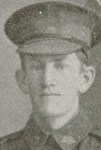

William Robert Bell was born in Irvinebank, Queensland, on the 21st January 1894 and attended Irvinebank State School from 1899 to 1904. Williams parents are recorded as Thomas and Mary Bell, Irvinebank, Queensland. He worked as a grocer until he enlisted in the Australian Imperial Force at Cairns, Queensland, on the 5th July 1916. William embarked for overseas with the 9th Battalion, 21st reinforcements from Brisbane, Queensland aboard H.M.A.T. A36 “Boonah” on the 21st October 1916, disembarking at Plymouth, England on the 10th January 1917. After being hospitalised for a short time he embarked for France on the 15th May 1917. He was again hospitalised in France before he re-joined his Battalion in Belgium. William was reported killed in action on the 29th September 1917 in the field, aged 23 years. He was killed at “Hellfire Pass” Polygon Wood, Ypres Belgium by shell fire and his body was never recovered. His memorial is at the Mein Gate Memorial.
Private, Antonio John Frances Philp Borghero, 6283, 25th Battalion, 18th Reinforcement.
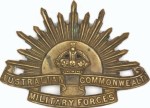
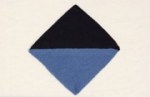
Antonio Borghero was born at Kingsbourgh, Queensland on the 13th March 1877. Antonio live and worked as a miner around the Irvinebank area. He enlisted in the Australian Imperial Force at Cairns, Queensland on the 1st November 1916, aged 39 years. His next of kin is recorded as his brother, Manuel Victor Borghero, Irvinebank and his occuaption as a miner. Antonio embarked for overseas with the 25th Battalion, 18th reinforcements on H.M.A.T. A64 “Demosthenes” from Sydney, New South Wales on the 23rd December 1916. He was admitted to ships hospital twice on the trip from Australia. He disembarked at Plymouth, England on the 3rd March 1917. On the 14 June 1917 he embarked for France disembarking at Havre, France the next day. Antonio was admitted to hospital for an unknown illness on the 17th June and discharged on the 25th June. He rejoined the 25th Battalion on the 3rd July 1917. Antonio was wounded (gased) in France on the 31st October 1917. He was hospitalised in France and sent to Carlisle Hospital, England on the 8th November 1917. He had leave granted from 17th February 1918 to 2nd March. Antonio embarked from England on the 21st April 1918 for Australia aboard “Suevic” disembarking at Melbourne, Victoria on the 7th June. After more treatment he was discharged from the Australian Imperial Force at Brisbane, Queensland on the 10th July 1918. Antonio John Frances Philp Borghero died in Herberton on the 18th July 1943 and is buried in the Herberton Cemetery, Herberton, Queensland.
Private Leslie Thomas Borghero, 2823, 25th Battalion.
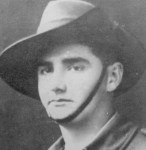
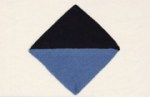
Leslie Borghero was born at Irvinebank on the 1st August 1897, the son of Emanuel and Elizbeth Borghero nee Jack of Irvinebank, Queensland. Leslie attended Irvinebank State School from 1902 to 1910. He was a member of the Irvinebank Rifle Club and worked as a butcher. At the outbreak of the war he volunteered with the Citizens Military Force (Kennedy Regiment) and embarked aboard the “Kanowna” from Cairns on the 8th August 1914 for garrison duty on Thursday Island. He then volunteered for overseas services with the Australian Naval and Military Expeditionary Force on the 14th August and embarked from Thursday Island aboard the “Kanowna” for Port Moresby on the 16th August. He enlisted in the Australian Imperial Force at Cairns Queensland on 5th July 1916 aged 18 years and embarked from Sydney for overseas active service on the H.M.A.T. A40 “Ceramic” arriving at Plymouth England on 21st November 1916. On the 27th December he was transfered from the 49th Battalion to the 25th Battalion. He left England for France on the S.S. Princess Victoria on 31st December 1916 to join his unit. On 29th October 1917 he was wounded in action at Ypres with a severe gunshot wound to the abdomen and transferred to England on 5th November 1917. He was admitted to Tooting Military Hospital, Church Lane for the removal of shell bits from his stomach. He was transferred to the 1st Auxiliary Hospital Harefield on 31st December 1918 and discharged from hospital on 3rd January 1918. He returned to Australia on 31st January 1918 on the ‘Argyllshire” to Capetown, South Africa and then on the “Osterlly” to Australia, disembarking at Sydney on 15th April 1918. He was discharged medically unfit from the Australian Imperial Force at Brisbane, Queensland on the 30th May 1918. Leslie married Nellie McCormack on the 12th march 1924 and one son is known from the marriage. Leslie Thomas Borghero died at Mareeba, Queensland on the 17th October 1955 and is buried at the Mareeba Pioneer Cemetery, Mareeba, Queensland.
Private, Henry Graham Bradshaw, 383, 11th Light Trench Mortar Battery.

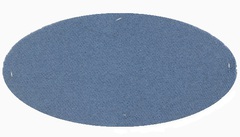
Henry Graham Bradshaw was born on the 6th December 1895 at Watsonville, Queensland to Henry and Margaret Bradshaw nee Arbouin. Henry’s mother died in 1898 and his father moved to Irvinebank some time around 1903 as Henry attended Irvinebank State School from 1904 to 1909. He worked as a miner in the Irvinebank/Watsonville area and his father died at Irvinebank in 1912. Henry was a member of the Irvinebank Rifle Club and at the outbreak of the war he volunteered with the Citizens Military Force (Kennedy Regiment) and embarked aboard the “Kanowna” from Cairns on the 8th August 1914 serving 6 months garrison duty on Thursday Island. On his return he was one of a group of men on a special train that left Irvinebank to enlist in Cairns. “A Special train passed through Stannary Hills from Irvinebank gaily decorated with the flags of Liberity. Stannary Hills railway platform was crowded with people anixous to do honor to the brave boys.” Henry enlisted in the Australian Imperial Force at Cairns, Queensland on the 10th November 1915, aged 19 years. He embarked with the 41st Battalion from Sydney, New South Wales on H.M.A.T. A64 “Demosthenes” on the 18th May 1916, disembarking at Pylmouth, England on the 20th July 1916. On the voyage over Henry was A.W.L. and charged with “Whilst on active services breaking away from quarters” he forfeited 20 days pay. Henry was in trouble again, he was A.W.L. for 2 days from the 14th August to the 16th August, he was awarded 14 days confined to barracks and a forfeit of 7 days pay. On the 22nd August Henry was transferred to the 11th Trench Mortar Battery. On the 22nd September Henry was charged with being A.W.L.” disobeying of standing orders in that he was absent in Andover without a pass” he was awarded 3 days field punishment, (hard labour). Henry was charged again on the 14th November with being A.W.L. for 8 days, he forfeited 16 days pay. Henry and the 11th Light Trench Mortar Battery proceeded to France on the 23rd November 1916. He was wounded in action with a Gun Shot Wound to the right shoulder on the 11th July 1917 and admitted to hospital in Rouen. After treatment he was moved to a Convalescent Depot on the 26th July. On the 1st August, Henry was charged with “while on active services Drunkenness” this time he was awarded 14 days field punishment No. 2 (locked up). After discharge from the compound he rejoined his unit in the field on the 25th August. On the 8th September Henry was charged A.W.L. for 1 day he was awarded 5 days field punishment No. 2 (locked up) and forfeited 7 days pay. After he had rejoined his unit he was wounded in action with a shell wound to the left leg, he was sent to hospital in the field and then proceed to England on the 21st October 1917. After he recovered he was granted leave from the 4th January 1918 to 18th January 1918. He proceed to Rouelles, France on the 2nd March, rejoined his unit on the 10th March. He was admitted to hospital with V.D. on the 11th March and discharged on the 12th April, he then rejoined his unit on the 26th April. He was admitted to hospital in the field on the 8th July with Influenza and discharged on the 12th July. Henry was wounded in action with a small wound to his face and was admitted to hospital in the field on the 22nd August and discharged on the same day. On the 1st September 1918, Henry was wounded in action with a wound to his head, he died of his wound on the same day. Private Henry Graham Bradshaw was 22 years old, he was buried at the Suzanne Communal Cemetery Extension, Suzanne, Picardie, France. ( Henry Graham Bradshaw is also on the Watsonville Roll of Honor.)
Company Sergeant Major, James Lawrence Brodie, 3011, 13th Machine Gun Company.
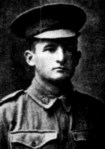
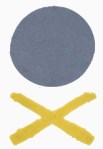
James Lawrence Brodie was born at Irivnebank on the 8th August 1893 to James and Emily Brodie nee Sugden and attended Irvinebank State School from 1899 to 1905. At the outbreak of the war he volunteered with the Citizens Military Force (Kennedy Regiment) and embarked aboard the “Kanowna” from Cairns on the 8th August 1914 for garrison duty on Thursday Island. He then volunteered for overseas services with the Australian Naval and Military Expeditionary Force on the 14th August and embarked from Thursday Island aboard the “Kanowna” for Port Moresby on the 16th August. He was a Student of the School of Mines, Charters Towers when he enlisted in the Australian Imperial Force on 28th June 1915 at Brisbane, Queensland. He embarked from Brisbane on the H.M.A.T. A69 “Warilda” on the 5th October 1915 arriving in Alexandria, Egypt in January 1916. On February 29th 1916 he was transferred from the 9th Battalion to the 49th Battalion and then transferred to the 13th Brigade Machine Gun Company. He was promoted on 11 May 1916 to Corporal and temporary Sergeant while on duty in Egypt. On 1st June 1916 he was promoted to Sergeant. On the 12th June he embarked for Marseilles, France. On 14th August 1916 he was wounded in action in France and hospitalised for a shell wound to the right foot, discharged he rejoined his unit on 12th September 1916. On October 3rd 1916 he was promoted to Company Sergeant Major “In the Field”. On 31st January 1917 he was killed in action in the field at Flers, France and is buried at Bulls Road Military Cemetery, Flers. He was 23 years old. He had a written letters to his mother on 15th January 1917 to say “Just a few lines to let you know that in am in splendid health”…and another on January 21st “I am quite well and received your letter and parcel”.. just a couple of weeks before he was killed. His mother received the letter after being notified of his death and thought that he must be still alive. Sadly this was not the case.
2nd Lieutenant, William Abercrombie Brooks, 113, 15th Battalion.

William Abercrombie Brooks originally from Belturbet, County Caven, Ireland. William was born in September 1883 to John and Mary nee Atkinson and was working as a miner in Irvinebank/Watsonville area at the time of his enlistment. William was a member of the Irvinebank rifle club and at the outbreak of the war he volunteered with the Citizens Military Force (Kennedy Regiment) and embarked aboard the “Kanowna” from Cairns on the 8th August 1914 for garrison duty on Thursday Island. He then volunteered for overseas services with the Australian Naval and Military Expeditionary Force on the 14th August and embarked from Thursday Island aboard the “Kanowna” for Port Moresby on the 16th August. On his return he enlisted in the Australian Imperial Force at Townsville, Queensland on 16th September 1914, aged 27 years. His next of kin is given as Mrs Jane Langland of Atherton, Queensland. William was promoted to Colour Sergeant on 17th September 1914 and left Melbourne on 22nd December 1914 on H.M.T.A. A40 “Ceramic” and joined his battalion at Egypt on 12th April 1915. On the second day after the landing at Anzac Cove, Gallipoli (26th April 1915) William was wounded in action with a gunshot wound to the calf. He was admitted to hospital at Alexandra, Egypt and transferred to England on His Majesty’s Hospital Ship “Nevasa” 4 days later. William was later admitted to the 2nd Western General Hospital Manchester, England. Some time during his stay in hospital William posted a letter dated 24th May 1915 back to his friends at Irvinebank. “up till 10.00 we had lost one and four wounded and then I must go and get in the way of a bullet, which carved a hole in my left calf and finished my career for some time to come, as the bullet instead of behaving as a good natural bullet should, turned a couple of somersalts in my calf before it came out, though it fortunately missed my bone” The Doctors were going to remove his leg, but decided to try and save it. After re-joining his unit at Gallipoli, William was admitted to hospital on 29th December 1915 this time for Typhoid/Enteric. He was taken off the danger list on 1st January 1916 and transferred to No1 Australian General Hospital, Heliopolis, Egypt. On 20th January 1916 he was promoted to 2nd Lieutenant. On 9th February 1916 William was again hospitalised for typhoid and placed on the dangerously ill list. At 1.20pm on 2nd March 1916 2nd Lieutenant William Abercrombie Brooks died of Typhoid/Enteric and was buried at the old Cairo Cemetery grave number 3370. ( William Abercrombie Brooks is also on the Watsonville Roll of Honor.)
Sergeant, Frank Reginald Cawley, 119, D.C.M. 15th Battalion.
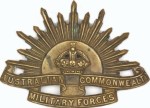
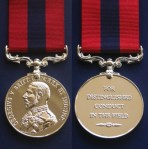
Frank Reginald Cawley was born at Parramatta New South Wales in 1887 to Frank and Eliza Ann Cawley. Frank was working around Irvinebank as a miner and was a member of the Irvinebank Rifle Club. At the outbreak of the war he volunteered with the Citizens Military Force (Kennedy Regiment) and embarked aboard the “Kanowna” from Cairns on the 8th August 1914 for garrison duty on Thursday Island. He then volunteered for overseas services with the Australian Naval and Military Expeditionary Force on the 14th August and embarked from Thursday Island aboard the “Kanowna” for Port Moresby on the 16th August. On return to Townsville he enlisted in the Australian Imperial Force on the 17th September 1914, aged 27 years. His next of kin is recorded as Mrs. Eliza Ann Cawley, North Sydney, New South Wales and his occupation as a miner. He was promoted to Lance Corporal on the 1st December 1914. He sailed with the 15th Battalion on the H.M.A.T. A40 “Ceramic” from Melbourne, Victoria for Egypt on the 22nd December 1914. Frank and the 15th battalion embarked for the Island of Lemnos on the 12th April 1915 to prepare for the landing at Gallipoli on the 25th April, where he was awarded the Distinguished Conduct Medal “for conspicuous gallantry on the night of the 9/10 May 1915, near Gaba, Tepe (Dardanelles). During a sortie from Quinn’s Post, Lance Corporal Cawley accompanied by another non-commissioned officer, advanced, with great coolness and courage, past the first line of enemy’s trenches to a tent some distance in the rear, they killed all the occupants, and cut the telephone wires which connected it with the fire trenches, thus preventing communication from the rear”. Frank was promoted to Sergeant on the 4th June 1915. He was wounded in action with a bullet wound to the right arm on the 8th August 1915 and transferred to hospital in England. He was repatriated back to Australia, disembarking on the 22nd April 1916 and discharged from the Australian Imperial Force at Brissbane, Queensland on the 7th June 1916. He returned to North Queensland as a hero, with receptions for him held in Irvinebank were he was gifted 80 pounds and Mareeba were he was gifted 100 pounds. After a short visit he left North Queensland for the south were he took up residents at North Sydney, New South Wales. He married Dora Murry in Sydney, New South Wales in 1932. Frank Reginal Cawley died in Sydney, New South Wales in 1944.
Private, Thomas Clarke, 2041, 41st Battalion.

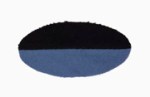
Thomas Clarke was born at Irvinebank on the 20th March 1896 to William and Janie Clarke nee Hume. He attended Irvinebank State School from 1901 to 1909. Thomas was a member of the Irvinebank Rifle Club and at the outbreak of the war he volunteered with the Citizens Military Force (Kennedy Regiment) and embarked aboard the “Kanowna” from Cairns on the 8th August 1914 for garrison duty on Thursday Island. He then volunteered for overseas services with the Australian Naval and Military Expeditionary Force on the 14th August and embarked from Thursday Island aboard the “Kanowna” for Port Moresby on the 16th August. He enlisted in the Australian Imperial Force at Cairns, Queensland on the 11th November 1915, Thomas had been working at Ipswich, Queensland as a labour for Queensland Railways. Thomas was in camp at Fraser’s Hill, Enoggera, Brisbane, Queensland when on the 23rd December 1915 he was charged with “Disobeying a lawful command given by a superior officer” he received 96 hours detention. Private Thomas Clarke became ill and was admitted to Brisbane General Hospital, Queensland and died from illness (Cerebro spinal meningitis) on 12th April 1916. Thomas was 19 years old, he was buried at Toowong Cemetery, Brisbane, Queensland.
Private, John Collins, 389, 41st Battalion.
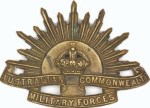

John Collins was born at Winton, Queensland on the 11th October 1896 to George and Eliza Collins nee Thompson. He was enroled at Irvinebank State school on the 8th July 1907, aged 10 years and he left school in 1909. John enlisted in the Australian Imperial Force at Cairns, Queensland on the 11th November 1915 aged 19 years. His next of kin is recorded as his father George Collins, Irvinebank, Queensland and his occupation as a blacksmith’s striker. John’s inital training at Enoggera was from November 1915 to February 1916, he then embarked for overseas on H.M.A.T. A64 “Demosthenes” on the 16th May 1916. Disembarking at Plymouth, England on the 20th July 1916. He proceeded to France on the 24th November 1916, where on the 5th February he was charged with misconduct “having a loaded rifle in the billets” and forfited 10 days pay for his actions. On the 7th June 1917 he was wounded in action “gas poisoning” and was sent to England on the ship “St. Andrew” from Boulogue, France were he was admitted to hospital. John was discharged from hospital on the 22nd August and returned to his unit in France. He was again admitted to hospital “sick” on the 26th January 1918 and rejoined his unit on the 19th April. On the 24th April he was gassed for a second time and hospitalized, returning to his unit on the 6th June 1918. On the 1st September 1918 John was wounded in action for a third time with a gun shot wound to his back. John was sent back to England and after a spell in hospital John embarked from England on the 14th Decmeber 1918 aborad the ship “Argyllshire” for Australia, disembarking at Melbourne, Victoria on the 1st February 1919. He was discharged for the Australian Imperial Force at Brisbane, Queensland on the 25th March 1919. John Collins died at Mount Isa, Queensland on the 5th March 1948 aged 51 years. and is buried in the Mount Isa cemetery, Mount Isa, Queensland.
Lance Corporal, James Lesel Collins, 391, 41st Battalion.

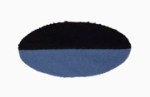
James Lesel Collins was born on the 18th June 1894 to George and Eliza Collins nee Thompson. James was enroled at Irvinebank State School on the 8th July 1907 aged 13 years and he left school in 1909. He worked as a grocer in Irvinebank and was a member of the Irvinebank rifle Club.
At the outbreak of the war he volunteered with the Citizens Military Force (Kennedy Regiment) and embarked aboard the “Kanowna” from Cairns on the 8th August 1914 for garrison duty on Thursday Island. He then volunteered for overseas services with the Australian Naval and Military Expeditionary Force on the 14th August and embarked from Thursday Island aboard the “Kanowna” for Port Moresby on the 16th August. He enlisted in the Australain Imperial Force at Cairns, Queensland on 18th January 1916, aged 21 years. He embarked for overseas on the HMAT A64 “Demosthenes” from Sydney disembarking at Plymouth, England on 20th July 1916. James embarked for France on 20th November 1916 were he was appointed Lance Corporal 1st June 1917. He was wounded in action at Boulogue, France on 7th June 1917 with a gunshot wound to the left thigh. He returned to England and admitted to Essex Hospital, Colchester England 11th June 1917. James returned to Australia on H.M.A.T. A30 “Borda” disembarking at Melbourne, Victoria on the 21st November 1917 and then embarked on the “Suevic” to Brisbane, Queensland on the 22nd November were he was medically discharged from the Australian Imperial Force on the 17th January 1918. James married Winifred Elizabeth Collier on the 19th January and one son, Gordon is known from the marrage. James Lesel Collins died on the 20th February 1939 at Brisbane and is buried at the Lutwyche Cemetery, Brisbane, Queensland.
Private, Michael James Cummings, 4033, 31st Battalion.

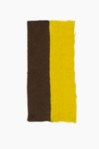
Michael Cummings the son of Patrick and Mary Annie Cummings nee Foley was born in Irvinebank on the 16th January 1893 and attend Irvinebank State School from 1902 to 1909. Michael worked around the Irvinebank area as a miner and was a member of the Irvinebank Rifle Club. At the outbreak of the war he volunteered with the Citizens Military Force (Kennedy Regiment) and embarked aboard the “Kanowna” from Cairns on the 8th August 1914 for garrison duty on Thursday Island. He then volunteered for overseas services with the Australian Naval and Military Expeditionary Force on the 14th August and embarked from Thursday Island aboard the “Kanowna” for Port Moresby on the 16th August. Michael was 23 years old when he enlisted in the Australian Imperial Force at Cairns, Queensland on June 6th 1916. His next of kin is recorded as his father Patrick Cummings Irvinebank, Queensland and his occupation as a miner. Michael embarked with the 31st Battalion, 10th reinforcement from Brisbane, Queensland on the H.M.A.T. A36 “Boonah” disembarking at Plymouth, England on 10th January 1917. On the 11th March 1917 Michael was admitted sick to Park House Hospital, Hurdcott England. A month later he was hospitalised at the Military Hospital Fovant, England with Bronchial Pneumonia where on the 13th April 1917 he died. Private Michael James Cummings is buried at the St Edith Churchyard, Bavistock Wiltshire, England. His mother recived a penison of 2 pounds per fornight.
Driver, Benjamin Charles Davis, 36, 11th Field Artillery Brigade.
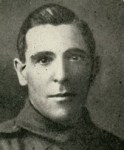

Benjamin Davis originally from Yorkshire, England the son Mrs E. Davis of Battersea, London, England. Benjaman worked around the Irvinebank area as a miner and was a member of the Irvinebank Rifle Club. At the outbreak of the war he volunteered with the Citizens Military Force (Kennedy Regiment) and embarked aboard the “Kanowna” from Cairns on the 8th August 1914 for garrison duty on Thursday Island. He then volunteered for overseas services with the Australian Naval and Military Expeditionary Force on the 14th August and embarked from Thursday Island aboard the “Kanowna” for Port Moresby on the 16th August. Benjamin was 30 years old when he enlisted in the Australian Imperial Force at Townsville, Queensland on 18th September 1914. He embarked with the 15th Battalion on the H.M.A.T. A40 “Ceramic” from Melbourne, Victoria on 22nd December 1914 for overseas and disembarked at Egypt in February 1915. He proceeded to Gallipoli with the 15th Battalion on the 12th April 1915 to prepare for the landing on the 25th April. On his return from Gallipoli he was appointed Driver on the 21st November 1915. He was tranfered to the 41st Battery, 11th Field Artillery Brigade on the 16th March 1916 and proceed to France disembarking on the 10th June 1916 at Marseilles. On the 15th December 1916 he was appointed to the rank of Bombardier but reverted back to Driver on 1st June 1917. Benjamin’s mother died sometime in September 1917 as his next of kin was changed to his uncle W .W. Webb. During 1917/1918 he often required medical attention for Influenza and Synovitis (inflammation of the joints) and was admitted to hospital in England and France on and off from May 1917 untill he was invalided to England on the 8th August 1918. On 12th August 1918 he committed the offence of going A.W.O.L. for 3 hours in London and was subsequently admonished. Benjamin was granted Special 1914 leave and embarked from England on the hospital ship “Port Hacking” on the 2nd December 1918 disembarking at Melbourne, Victoria on the 27th January 1919. He was discharged from the Australian Imperial Force at Brisbane, Queensland on the 12th April 1919. He married Alexandra Davidson on the 5th January 1920 and had 3 known children. Benjamin James Davis died in Brisbane, Queensland on the 30th May 1960, he was buried at Lutwyche Cemetery, Brisbane. After his death his wife Alexandra, applied for his Gallipoli Medal in 1967.
Private, James Campbell Dawson, 7498, 42nd Battalion.
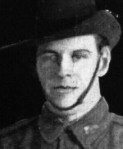

James Campbell Dawson was born at Charters Towers, Queensland on the 21st June 1884 and attended Charters Towers State School. James was married with 4 children and was a mine manager at the Vulcan Mine Irvinebank when he enlisted in the Australian Imperial Force at Cairns, Queensland on 14th January 1917. Before he left Irvinebank James was given a silk presentation as a memento of his time in Irvinebank. This presentation is now stored at Loudoun House Museum, Irvinebank. James embarked the 15th Battalion 25th reinforcement for overseas on 14th June 1917 from Sydney New South Wales on the H.M.A.T. A20 “Hororata” and disembarked at England on 26th August 1917. James transferred to the 4th Training Battalion were he was appointed to Acting Lance Corporal in October 1917 and reverted back to Private on 1st Novermber 1917. On the 14th December 1917 he embarked for France to reinforce the 42nd Battalion. James was wounded in action in France on 1st September 1918 with a gunshot wound to the left buttock. He was invalided to England and was admitted to the 1st Southern General Hospital Stourbridge Section. He was discharged from hospital on the 21st November and transferred from the 42nd Battalion back to the 15th Battalion as the 42nd battalion had been disbaned in October/November 1918. James embarked for Australia from England on the 8th January 1919 aboard the “Orsova” disembarking at Melbourne, Victoria on the 20th February 1919 and discharged from the Australian Imperial Force at Brisbane, Queensland on 29th March 1919. James returned to Irvinebank and resumed his job as manager of the Vulcan mine. He was community minded as he was on the Hospital committee, Captain of the Irvinebank Rifle Club and Captain of the local football team. When the decline in tin mining came he moved to Tolga and started growing corn. He then worked erecting Telegraph poles for the Government, became shift boss at the Dobbyn copper mine in the Cloncurry Shire and worked on the Kuranda Hydro Electricity Scheme. James Campbell Dawson died at Cairns, Queensland on the 10th February 1934, aged 49 years, from Pneumania and is buried in the Cairns Cemetery. He left behind his wife Mary, 5 sons and 5 daughters.
Private, Wallace Disher, 3292, 2nd Light Horse Regiment, 27th Reinforcement

Wallace Disher was born in Irvinebank on the 20th March 1887 to Thomas Daniel and Jane Disher nee Smith Hunter. Wallace attended Irvinebank State School from 1892 to 1900. He was a member of the Irvinebank Rifle Club and
at the outbreak of the war he volunteered with the Citizens Military Force (Kennedy Regiment) and embarked aboard the “Kanowna” from Cairns on the 8th August 1914 for garrison duty on Thursday Island. He then volunteered for overseas services with the Australian Naval and Military Expeditionary Force on the 14th August and embarked from Thursday Island aboard the “Kanowna” for Port Moresby on the 16th August. Wallace was 28 years old when he enlisted in the Australian Imperial Force at Cairns, Queensland on 22nd December 1916. His next of kin is recorded as his mother Mrs. Jane Disher, Irvinebank, Queensland and his occupation as a stockman. Wallace embarked with the 2nd Light Horse, 27th reinforcement from Sydney, New South Wales on 9th May 1916 on the H.M.A.T. A15 “Port Sydney” and disembarked at Suez, Egypt on 20th June 1917. After he embarked in Egypt he was transferred to the 1st Light Horse training regiment and then on the 1st August he rejoined the 2nd Light Horse. On 12th October 1918 he was admitted to hospital in Egypt with malaria and rejoined his unit on the 18th January 1919, he had several smaller stins in hospital during his time with the regiment. The 2nd Light Horse was involved in the battles of Rafa, Gaza, Amman, advance on Jaffa and Es Salt and several other battles. Wallace and the 2nd Light Horse embarked from Kantara, Egypt aboard the “Ulimaroa” on the 13th March 1919 without their horses and disembarked at Melbourne, Victoria on the 19th April 1919. He was discharged from the Australian Imperial Force at Brisbane, Queensland on the 29th May 1919. Wallace Disher died at Charters Towers, Queensland on the 22nd November 1975 and is buried in the Charters Towers Cemetery.
Corporal, Herbert (Bertie) Charles Eales, 3683, 3rd Field Artillery Brigade.

Herbert (Bertie) Eales was born in Irvinebank on the 9th December 1898 to William Henry and Anna Marie Eales nee Larkin and attended the Irvinebank State School from 1902 to 1910. Bertie worked as a miner, clerk and was an apprentice blacksmith at the Vulcan Tin Mining Co Irvinebank, he also worked as a labourer in Cairns before he enlisted. He was a member of the Irvinebank Rifle Club and at the outbreak of the war he volunteered with the Citizens Military Force (Kennedy Regiment) and embarked aboard the “Kanowna” from Cairns on the 8th August 1914 for garrison duty on Thursday Island. He then volunteered for overseas services with the Australian Naval and Military Expeditionary Force on the 14th August and embarked from Thursday Island aboard the “Kanowna” for Port Moresby on the 16th August. Bertie was 20 years old when he enlisted in the Australian Imperial Force at Townsville, Queensland on 6th November 1916. His next of kin is recorded as his mother Mrs. Annie Eales Irvinebank, Queensland and occupation as a miner/clerk. He embarked for overseas with the 4th Pioneer Battalion, 9th reinforcement from Sydney, New South Wales on the H.M.A.T. A33 “Ayrshire” on 24th January 1917 disembarking at Devonport, England on 12th April 1917. On the sea journey over he was charged with ‘Neglect of Duty’ and lost 4 days pay. Bertie required hospitalisation several times in 1917 for an unknown condition. He was transferred from the 4th Pioneer Battalion to an Artillery Brigade on the 13th November 1917 as a mustered gunner. Bertie proceeded overseas to Rouelles, France from Southhampton on the 29th November 1917 where he was transferred to the 3rd Field Artillery Brigade on the 6th December 1917. He was granted leave in France from 3rd November 1918 to 21st November. On the 4th October 1918 he was promoted to Bombardier and returned to England on the 5th May 1919, where on the 23rd May 1919 he was promoted to Corporal. Bertie embarked from England on the 20th June 1919, on the H.T. “Konig Frederick August” disembarking at Sydney, New South Wales on the 10th August 1919. On the voryage to Australia he was hospitalised with an injury to his leg. Bertie was discharged from the Australian Imperial Force medically unfit at Brisbane, Queensland on 29th December 1919. He married Jean Margaret Irvine on the 23rd June 1928. Herbert Charles Eales died in Brisbane, Queensland, aged 77 years on the 17th February 1974 and is buried at the Mt. Gravatt Cemetery, Brisbane, Queensland.
Private, Timothy James Eales, 506, 7th Machine Gun Company.


Timothy James Eales was born in Irvinebank on the 29th April 1892 to William Henry and Anna Marie Eales nee Larkin. He attended Irvinebank State School, after which he was apprintice carpenter and then worked for T.W. Winkworth PTY LTD joinery works in Cairns, Queensland. He was 23 years old when he enlisted in the Australian Imperial Force at Cairns, Queensland on 6th May 1916. Timothy embarked for overseas from Melbourne, Victoria on the H.M.A.T. A7 Medic on 16th December 1916 disembarking at Plymouth, England on 18th February 1917. On 10th May 1917 he embarked for France where he was transferred from the 2nd Machine Gun Company to the 7th Machine Gun Company. Timothy was admitted to hospital 23rd June 1917 with a Hernia, he was discharged on the 25th August 1917. Timothy was wounded in action on 6th October 1917 with a gunshot wound to the left leg and thigh. He was transferred back to England and hospitalised were his left leg was amputated. Timothy embarked from England on the 22nd January 1918 on board the Hospital ship ‘Kanowna’ embarking at Sydney, New South Wales on the 3rd March 1919. He was discharged medically unfit at Brisbane, Queensland on 29th October 1918. He married May Florence Bowell on the 14th February 1922 at Brisbane, Queensland and two childern are known from their marrage. Timothy James Eales passed away on the 21st August 1972, aged 80 years and is buried in the Nudgee Cemetery, Brisbane, Queensland.
Lance Corporal, Lewis George Fitzmaurice, 29, 41st Battalion.
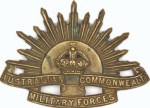
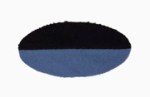
Lewis George Fitzmaurice was born at Charters Towers, Queensland on the 21st Febuary 1895. The son of Lewis George and Anne Louisa Fitzmaurice nee Matthews of Irvinebank, Queensland. Originally from Charters Towers he worked as a miner and blacksmith in and around the Irvinebank area. He was one of a group of men on a special train that left Irvinebank to enlist in Cairns. “A Special train passed through Stannary Hills from Irvinebank gaily decorated with the flags of Liberity. Stannary Hills railway platform was crowed with people anixous to do honor to the brave boys” Lewis enlisted in the Australian Imperial Force at Cairns, Queensland on 11th November 1915. He embarked for overseas from Sydney, New South Wales on the H.M.A.T. A64 “Demosthenes” on 18th May 1916, disembarking at Plymouth, England on 20th July 1916. While in transit he was charged with ‘breaking away from quarters’ and forfeited 20 days pay. On 29th November 1916 he embarked for France. While in the field in 1917 he was hospitalised several times with scabies and mumps. On 9th March 1917 he was wounded in action with a penetrating gunshot wound to the back. On 13th March 1917 Lewis George Fitzmarice died from his wounds at 2nd Australian Causality Clearing Station, aged 22 years .He is buried at Trois Arbres Cemetery, Steenwerck, France. His father had passed away on the 3rd March 1913, his mother Anne recived a penison of 2 pounds a fortnight.
Private, Douglas John Hinchey, 1839, 3rd Pioneer Battalion.
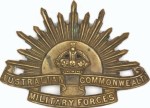
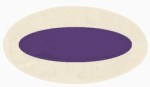
Douglas John Hinchey was born at Kiama, New South Wales in 1892. He was working as a miner in and around Irvinebank. He was a member of the Irvinebank Rifle Club and at the outbreak of the war he volunteered with the Citizens Military Force (Kennedy Regiment) and embarked aboard the “Kanowna” from Cairns on the 8th of August 1914 for garrison duty on Thursday Island. He then volunteered for overseas services with the Australian Naval and Military Expeditionary Force on the 14th of August and embarked from Thursday Island aboard the “Kanowna” for Port Moresby on the 16th of August. He enlisted in the Australian Imperial Force on the 1st of April 1916 at Townsville, Queensland, aged 22 years. His next of kin is recorded as his mother Mrs. Kate Hinchey, Irvinebank, Queensland and occupation as a miner. Douglas embarked for overseas on 16th August 1916 from Brisbane, Queensland on the H.M.A.T. A42 “Boorara” disembarking at Plymouth, England on 13th October 1916. On the 24th of September, while at sea, Douglas forfeited 4 days pay for being A.W.O.L. After his arrival in England he embarked on the Princess Victoria for France on 21st December 1916. He was transferred from the 41st Battalion to the 3rd Pioneers Battalion on 21st January 1917. On the 11th June 1917 he was wounded in action and admitted to a field hospital for shellshock. He was transferred back to England on 27th July 1917 for further treatment at the University War Hospital, Southampton. He embarked from England on the 25th November 1917 with shellshock concussion aboard HT “Karoola” arriving in Australia on the 10th January 1918. He was discharged at Brisbane, Queensland on 28th March 1918 and was granted a penison of 3 pound a fortnight. He married Amy Mary Roberts at Brisbane, Queensland on the 29th December 1920 and two children are known to their marriage. Douglas John Hinchley died at Brisbane, Queensland on the 8th June 1970 and his ashes are held in the St Augustines Anglican Church Columbarium, Hamilton, Brisbane, Queensland.
Private, James Alexander Kenny, 3324, 15th Battalion.

James Alexander Kenny, was born on the 6th December 1898 at Cairns, Queensland the son of James and Rosina Kenny nee Bollard of Irvinebank, Queensland. His occupation is recorded as a bookkeeper. James was 18 years old when he enlisted in the Australian Imperial Force at Cairns on 31st March 1917. As a member of the 42nd Battalion, 8th reinforcement, James embarked for overseas on 14th June 1917 on the H.M.A.T. A20 “Hororata” from Sydney, New South Wales disembarking at Liverpool, England on 23rd September 1917. On 19th January 1918 he was appointed Acting Lance Corporal reverting back to Private on 27th January 1918. James embarked for France on 19th March 1918 as part of the reinforcement to the 15th battalion. James was wounded in action on 4th July 1918 with a mild gunshot wound to his left side and returned to England and hospitalised at the 4th Southern General Hospital, Plymouth, England. James embarked from Liverpool, England on the 19th February 1919 on the H.T. “Orca” disembarking in Australia on 12 April 1919 and was medically discharged at Brisbane, Queensland on 5th May 1919. He married Ivy Josephine Koppen (1902-1952) at Brisbane, Queensland on the 9th June 1920 and two children are known to their marriage. His second marriage was to Elizabeth Irvin. After the war he engaged in mixed business at Peermon, Malanda and Mareeba and plumbing business in Cairns. James became Queensland State Member for the seat of Cook from 1929 to 1935. James Alexander Kenny died at Cairns, Queensland on the 24th July 1954 and is buried at the Gordonvale Cemetery, Gordonvale, Queensland. His second wife Elizabeth is buried with him.
Private, William Thomas Kenny, 4480, 25th Battalion, 11th Reinforcement.

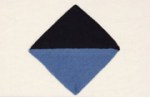
William Thomas Kenny, oldest son of James and Rosina Kenny nee Bollard of Irvinebank, Queensland. He was born in Cooktown, Queensland on the 4th July 1894. William worked as a prospector/miner in the Irvinebank district and was a member of the Irvinebank Rifle Club. William served in the Australian Naval and Military Expeditionary Force and sailed on the “Kanowna” for Thursday Island and German New Guinea. He enlisted in the Australian Imperial Force at Townsville, Queensland on 2nd October 1915. His occupation is recorded as a prospector, his next of kin is given as his mother, Rosina Catherine Kenny, and he was aged 21 years. He went to Brisbane for training, and it was here that he sat for and passed a sergeants course. He embarked with the 25th Battalion, 11th reinforcement from Sydney, New South Wales on the 31st March 1916 on board the H.M.A.T. A16 “Star of Victoria”. Disembarking at Alexandria, Egypt on 18th May 1916 before proceeding to France on 19th May 1916. On 24th June 1916 he was appointed Acting Corporal and reverted to Private on 2nd August 1916. William Thomas Kenny was killed in action at Pozières, France on the 5th August 1916. He was 22 years old and has no known grave. A small article appeared in the Cairns Post informing readers that “word is at hand this week of the death of Quarter Master Sergeant Kenny in action. Son of Mr. and Mrs Jas Kenny of Irvinebank.” His pocket wallet was sent to his mother in Irvinebank by a stretcher-bearer from France. His pocket wallet showed pay owing to him from the 5th June 1916 to 8th July 1916 was a total of 21 pounds 13 shillings and 7 pence or 605 Frances. His mother wrote to the Base records several times asking for her son’s effects. It is not known if Williams’ mother received her sons effects or his pay. William’s memorial is panel 105, Memorial 26 Villers Bretonneux France.
Private, E. Kilroi.
At this stage we are unable to positively identify Private E. Kilroi.
Private, Henry G. Kirkman, 31, 41st battalion.
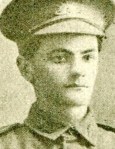

Henry George Kirkman was born at Calcifer near Chillagoe, Queensland on the 2nd April 1896 to John Kirkman and Harriet Blundell. The family move to Irvinebank were Henry went to Irvinebank State School from 1901 to 1910. Henry worked around Irvinebank and eventually got a job at the Loudoun Mill Irvinebank were he became a assistant tin dresser. He was one of a group of men on a special train that left Irvinebank to enlist in Cairns. “A Special train passed through Stannary Hills from Irvinebank gaily decorated with the flags of Liberity. Stannary Hills railway platform was crowed with people anixous to do honor to the brave boys” He enlisted in the Australian Imperial Force on the 11th November 1915 at Cairns, Queensland. After training he embarked as a private with the 41st Battalion, Head Quarters Staff on board H.M.A.T. A64 “Demosthenes” from Sydney, New South Wales on the 16th May 1916 disembarking at Plymouth, England on the 20th August 1916. On the trip over he was charged with “breaking away from quarters while on active services” he forfeited 20 days pay. The battalion proceed to France on the 24th November 1916, then to Belgiun, where the battalion took part in the battles at Messines, Broodseinde. Henry was granted leave to England from 31st January 1918 to 14th February 1918. The battalion then moved to France and was used to defend the railway junction around Amiens. Henry was wounded in action, gassed on the 26th May 1918, he was hospitalised in France before being invalided back to England on the 20th June and admitted to Cheltenham Hospital on the 21st June. After treatment he was transferred to the Australian Auxiliary Hospital, Dartford on the 23rd July and granted leave on the 26th July to the 9th August 1918. After he was discharged from hospital he was attached the Overseas Training battalion and proceeded to the Australian Infantry Base depot, France on the 21st November 1918. He rejoined his unit on the 3rd December and spent a short time in hospital with Scabies at the 39th General hospital in April 1919 before returning to England. He embarked for Australia on the Hospital ship H.T. “Nestor” on the 20th May 1919 disembarking at Sydney, New South Wales on the 4th July. Henry was discharged from the Australian Imperial force on the 20th August 1919 at Brisbane, Queensland. Henry returned to Irvinebank and his job at the Loudoun Mill, now the State Treatment Works. He leant more of the art of tin dressing before working his way up to mill foreman. When World War 2 broke Henry joined the Irvinebank Volunteer Defence Corps and reached the rank of Warrant Officer. He became ill and was hospitalized in Herberton. Henry George Kirkman died on the 12th February in Herberton Hospital. He is buried at the Irvinebank Cemetery, Irvinebank, Queensland.
Private, James Taylor Knight, 159, 15th Battalion.
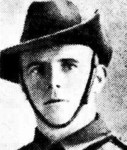
James Taylor Knight was born at Fifeshire in Scotland in 1890 and his mother is recorded as Mrs. Elizabeth Eleanor Knight of Dumferline, Scotland. James was a carpenter by trade and had served in the Fife and Forpar Yeomanry, Territorials. He was boarding school educated and was 21years old when he came to Australia. Prior to his enlistment he was working around the Irvinebank Queensland area as a miner. James was a member of the Irvinebank rifle Club and at the outbreak of the war he volunteered with the Citizens Military Force (Kennedy Regiment) and embarked aboard the “Kanowna” from Cairns on the 8th August 1914 for garrison duty on Thursday Island. He then volunteered for overseas services with the Australian Naval and Military Expeditionary Force on the 14th August and embarked from Thursday Island aboard the “Kanowna” for Port Moresby on the 16th August. On his return to Townsville he enlisted in the Australian Imperial Force on the 16th September 1914. On the 28th November 1914 he was charged with “absent without leave from roll call” and fined 1 days pay. On the 14th January 1915 James was charged with “failing to obey a battalion order” his punisment is unknown. James embarked for overseas from Melbourne, Victoria on H.M.A.T. A40 “Ceramic” on 22nd December 1914 and disembarked at Alexandia, Egypt on the 3rd February 1915. James was a member of the 15th Battalion Band. After some training the 15th Battalion sailed to Mudros Harbour to prepair for the Gallipoli landing. The Battalion landed at Anzac Cove, Gallipoli in the afternoon of the 25th April were James was wounded in action on 26th April 1915 with a scalp wound. In a letter to his uncle, Private William Brooks discribes in part the morning of the 26th April ” Well, about daylight the fun began and we had some good shooting, with very little damage to ourselves. Jim Knight was about the 3rd wounded only a slight face wound” He was hospitalised in Alexandria, Egypt on the 30th April, after treatment he returned to Gallipoli and was wounded in action a second time and died of his wounds on or about the 7th August. His records show that he was to be transferred to hospital at Mudros, on the Island of Lemnos. This can not be correct as the court of inquiry held in France on the 3rd September 1917 found “this soldier died of wounds on or about the 7th August 1915 at Gallipoli” and the fact that he has no known grave. His mother recived a penison of 40 shillings per fortnight. James Taylor Knight died on or about the 7th August 1915 aged 25 years, he has no known burial site. His memorial is at the Lone Pine Memorial, Panel 47, Gallipoli, Turkey.
Sergeant, Thomas Lamb, 16, 4th Field Ambulance.


Thomas Lamb was born at Adelaide, South Australia. His occupation is recorded as a miner and his next of kin as his sister Mrs. Mary Seymour of Yarram North, Gippsland Victoria. He was working in the Irvinebank area and was a member of the Irvinebank Rifle Club. At the outbreak of the war he volunteered with the Citizens Military Force (Kennedy Regiment) and embarked aboard the “Kanowna” from Cairns on the 8th August 1914 for garrison duty on Thursday Island. He then volunteered for overseas services with the Australian Naval and Military Expeditionary Force on the 14th August and embarked from Thursday Island aboard the “Kanowna” for Port Moresby on the 16th August. On his return he enlisted in the Australian Imperial Force at Townsville, Queensland on the 28th September 1914. After some training in Brisbane, Queensland he embarked from Melbourne, Victoria on H.M.A.T. A40 “Ceramic” on the 22nd December 1914, as a Corporal with the 15th Battalion. After disembarking at Alexandia, Egypt on the 3rd Feburary 1915, he sailed with the Battalion for Mudros on the Island of Lemnos. The battalion then landed at Anzac Cove on the afternoon of the 25th April. After the evacuation from Anzac Cove the Battalion returned to Egypt. Some time in late December or early January Thomas was admitted to hospital with Haermorroids, he was discharged on the 31st January 1916. He was transfered several times as staff to the 1st Auxiliary Hospital then, 2nd Australian General Hospital then, the 3rd Australian General Hospital. Thomas then proceed to England and after some leave he was promoted to Sergeant on 21st September 1916. His unit then embarked for France on the 11th April 1917 where he was transferred to the 13th Field Ambulance on the 9th August 1917 and then to the 4th Field Ambulance on the 19th August 1917. Thomas was again back in hospital for an unspecified illness on the 28th November 1917, he was discharged from hospital and back with the 4th Field Ambulance on the 27th February 1918. He was back in hospital with arthritis of the knee on the 23rd May 1918 and invalid to England on the 31st May 1918. Thomas, with many other long serving men was granted Special 1914 leave and sailed for Australia on the “Port of Sydney”arriving at Melbourne, Victoria on the 28th November 1918. Thomas was discharged from the Australian Imperial Force on the 31st January 1919.
Captain, Arthur Lewis Langborne, 81, M.C. 4th Machine Gun Battalion.

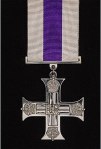

Arthur Lewis Langborne was born on the Isle of Wight, England on the 19th August 1893. His father is recorded as A. Langborne, Shanklin. Isle of Wight, England. Before he came to Australia he serviced as a member of the 5th Hampton Regiment. Arthur came to Irvinebank as a prospector and working as a miner. He was a member of the Irvinebank Rifle Club and at the outbreak of the war he volunteered with the Citizens Military Force (Kennedy Regiment) and embarked aboard the “Kanowna” from Cairns on the 8th August 1914 for garrison duty on Thursday Island. He then volunteered for overseas services with the Australian Naval and Military Expeditionary Force on the 14th August and embarked from Thursday Island aboard the “Kanowna” for Port Moresby on the 16th August. On his return to Townsville he enlisted in the Australian Imperial Force on the 14th September 1914 aged 21 years. He embarked with the 15th Battalion, from Melbourne, Victoria on board H.M.A.T. A40 “Ceramic” on the 20th December 1914. He disembarked at Alexandra, Eygpt on the 3rd Febuarary 1915. After more training his Battalion was shiped to Mudros, Island of Lemnos to await the landing at Anzac Cove, Gallipoli on the 25th April. On the 10th May he was sent back to Egypt with tonisilitis, after a short spell in hospital he rejoined his unit at Gallipoli on the 9th July 1915. During his time at Gallipoli, Arthur was promoted to Sergeant. After the evacuation from Gallipoli his battalion returned to Egypt where Arthur was again promoted, first to Second Lieutenant on the 20th January 1916 and then to Lieutenant on the 20th April 1916, it was on this day that he transferred to the 4th Machine Gun Company. The Brigade embarked for France on the 1st June 1916 arriving at Marseilles on the 10th June 1916. On the 14th February 1917 he was promoted to Capitan. It was in France that Arthur was mentioned in despatches on the 7th November 1917. He was awarded the Military Cross on the 18th September 1918 –“For conspicuous gallantry and leadership in company of a machine company during the attack on the Hindenburg Line near le Verguier north-west of St Quentin. Arthur was granted leave to England on the 16th July 1918. After his return to France he fractured his foot at the big toe on the 4th November 1918 while attending the unloading of some timber. He was invalided back to England for treatment. Arthur was granted special 1914 leave and leave without pay until the end of March. It was during this time that he married Lottie Jolliffe of Shanklin, Isle of Wight on the 4th February 1919. He then applied for non military employment at Aspe Monor farm near Shanklin, Isle of Wight until August 1919. Arthur and his new wife then embarked for Australia on the 30th September 1919 on aboard the “Wahehe”. Disembarking at Sydney, New South Wales on the 15th December 1919. After he was discharged from the Australian Imperial Force at Brisbane, Queensland on the 31st December 1919, they made their way back to Irvinebank to spend time with the many friends Arthur had made. Arthur had not yet recived his Military Cross medal up to this point in time and wrote a letter from Irvinebank to Base Records in Melbourne inquiring about the medal. He revived his medal in June 1920. By 1922 the couple had returned to the Isle of Wight were Arthur Lewis Langborne passed away on the 23rd February 1966. Note – The 4th Machine Gun Battalion was formed in March 1918 from the 4th,12th, 13th and 24th Machine Gun Companies.
Lance Corporal, John Alfred Robert Linde, 2659, 4th Pioneer Battalion, 5th Reinforcement.
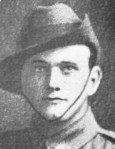
John Alfred Robert Linde was born on the 1st January 1888 at Mount Morgan, Queensland. His father is recorded as John Linde and his mother Charlotte Dorotha. He was a member of the Irvinebank Rifle Club and was working as a miner around Irvinebank when he enlisted in the Australian Imperial Force at Cairns, Queensland on 10th June 1916 aged 28 years. John embarked for overseas service from Brisbane, Queensland on 19th September 1916 on H.M.A.T. A49 “Seang Choon” disembarking at Plymouth, England on 9th December 1916. While in England he contacted the mumps and was admitted to Hampstead Hospital and discharged on 15th January 1917 to re-join his unit. John left for France to join his battalion on 27th February 1917 and appointed Lance Corporal on 28th July 1917. Lance Corporal John Linde was killed in action at the first Battle of Passchendaele, Belgium on 15th October 1917. He left behind his wife Florence Eva and son John Joseph Eric Linde. Lance Corporal John Alfred Robert Linde is buried at plot 2, row 4, grave 22 Menin Road South Military Cemetery, Ypres, Flanders, Belgium. He was 29 years old.
Sapper, Charles William Frederick Louch, 2900, 10th Field Company Engineers.
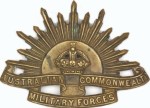

Charles William Frederick Louch was born in Charters Towers, Queensland on the 12th July 1896. His parents moved to Irvinebank and he attended Irvinebank State School 1910 to 1911. The son of Charles and Mary Louch nee Clarke of Irvinebank, Queensland. William was working in the Irvinebank area as a miner and was a member of the Irvinebank Rifle Club. At the outbreak of the war he volunteered with the Citizens Military Force (Kennedy Regiment) and embarked aboard the “Kanowna” from Cairns on the 8th August 1914 for garrison duty on Thursday Island. He then volunteered for overseas services with the Australian Naval and Military Expeditionary Force on the 14th August and embarked from Thursday Island aboard the “Kanowna” for Port Moresby on the 16th August. On the 14th January 1916 the Northern Herald reported that “Irvinebank rolled up, in force last evening to bid God speed and good luck to one of our boys, Charley Louch, who was leaving by the morning train for Cairns, to volunteer“. William enlisted in the Australian Imperial Force at Cloncurry Queensland on 28th June 1916 aged 22 years. After inital training William embarked for overseas from Brisbane, Queensland on 21st October 1916 on board the H.M.A.T. A36 “Boonah” and disembarked at Plymouth, England on the 10th January 1917. He embarked for France on 22nd October 1917 where he was transferred from the 4th Pioneers to the 10th Field Company Engineers on 18th July 1917. In early 1918 he was in hospital for an unspecfied illness. William embarked from England on board the H.T. “Nestor” on 20th May 1919 he returned to Sydney, New South Wales disembarking on 4th July 1919 and was subsequently discharged from the Australian Imperial Force at Brisbane, Queensland on the 13th August 1919. Charles married Mary Helen Sugden on the 21st August 1921. One child is known from this marriage. Charles William Frederick Louch passed away on the 20th September 1944 and is buried in the Cairns General Cemetery, Cairns, Queensland.
Second Lieutenant, John Maddock, 450, M. M. 9th Battalion.


John Maddock was born in Gatton, Queensland on the 23rd July 1886. His father is recorded as James Maddock and mother as Margaret nee Cameron of Warra, Queensland. John was working in Irvinebank as a Engine Driver and he was a member of the Irvinebank Rifle Club. John enlisted at Brisbane Queensland on 26th August 1914. He embarked from Brisbane, Queensland on board H.M.A.T. A24 “Ormal” with the 9th Battalion for Egypt, disembarking in December that year. John was promoted to Corporal on the 22nd January 1915. The battalion then embarked for the Mudros on the Island of Lemnos to prepare for the landing at Anzac Cove, Gallipoli. John was wounded in action at Gallipoli on the 4th May 1915 with a bullet wound to the left shoulder, it was also discovered that he suffered from Deafness, Tinnitus, Headaches and a Mastoid Abscess. He was invalid back to Australia on the ship “Themistocles” for treatment. After several operations the Medical Board decided John was fit to return to duty. He returned to Egypt, from Sydney, New South Wales on board the H.M.A.T. A16 “Star of Victoria” on 31st March 1916 disembarking at Port Said, Egypt on 5th May 1916. On the 22nd September 1916 while in the field he was promoted to Sergeant then on the 23rd December 1916 he was promoted to Company Quarter Master Sergeant. The 9th Battalion sailed for France in March 1917 where John he was hospitalised for mumps. On 24th March 1917 he was awarded the Military Medal for bravery in the field. He was recommended for officer training and on 4th January 1918 he joined Officers Cadet School at Oxford in England and was appointed a Cadet and qualified for a Commission. On 1st August 1918 he was commissioned 2nd Lieutenant and re-joined his unit in France. On 18th September 1918, 2nd Lieutenant John Maddock was killed in action in France with a bullet wound to the head during an attack on enemy positions. Death was instantaneous. He was buried by men of the unit at forward Battalion Headquarters, near Hesbecourt, France aged 28 years. On 24th April 1920 his family received notice that his remains were exhumed and re-interred in Hellicourt British Cemetery, Brancourt, Picardie, France.
Gunner, David Henry John McAlister, 25476, 2nd Field Artillery Brigade.
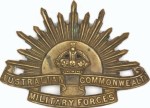

David Henry John McAllister was the son of John McAllister and Emily nee Blundell of Irvinebank, Queensland. David was the oldest of seven children and was born in Irvinebank on the 4th July 1895. He attended Irvinebank State School 1900 to 1907 and was a member of the Irvinebank School Cadets. David worked in and around Irvinebank as a miner and was a member of the Irvinebank Rifle Club. At the outbreak of the war he volunteered with the Citizens Military Force (Kennedy Regiment) and embarked aboard the “Kanowna” from Cairns on the 8th August 1914 for garrison duty on Thursday Island. He then volunteered for overseas services with the Australian Naval and Military Expeditionary Force on the 14th August and embarked from Thursday Island aboard the “Kanowna” for Port Moresby on the 16th August. He was one of a group of men on a special train that left Irvinebank to enlist in Cairns. “A Special train passed through Stannary Hills from Irvinebank gaily decorated with the flags of Liberity. Stannary Hills railway platform was crowed with people anixous to do honor to the brave boys” He enlisted in the Australian Imperial Force at Cairns, Queensland on 11th November 1915 and after some training was appointed to the rank of Gunner on the 4th January 1916. David embarked with the 21st Howitzer Brigade, 4th reinforcement for overseas from Sydney, New South Wales on H.M.A.T. A67 “Orsova” on 29th July 1916 and disembarked at Plymouth, England on 14th September 1916. On 16th January 1917 David embarked for France and was transfred to the 102nd Howitzer Battery part of the 2nd Field Artillery Brigade. In Belgium, on 11th August 1917 David was wounded from gas shell poisoning for the first time. After a month in hospital he re-joined his unit and was again gassed on the 10th November 1917. David was hospitalised again before being transferred to England on 13th November 1917. He rejoined his unit in France 13th February 1918. Gunner David McAlister was wounded in action in France while the Brigade was operating at St. Saveux, France on 22nd September 1918 and admitted to 3rd Australian Field Ambulance Clearing Station suffering with a shell wound to the thigh and right leg. Two days later he was transferred to the 6th General Hospital, Rouen, France where he died on 8th October 1918 from the effects of his wounds. Gunner David Henry John McAlister was 22 years old and is buried in the Sever Cemetery Extension, Rouen, France.
Private, Thomas Allison McBride, 1604, 13th Field Artillery Brigade.
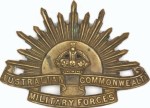
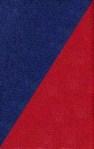
Thomas Allison McBride was born at Northcote, Queensland on the 22nd June 1886. His father is recorded as John McBride and mother Margaret McBride nee Kerwin of Cairns, Queenland. Thomas attended Irvinebank State school from 1890 to 1899. He worked in Irvinebank as a Blacksmith and was employed by the Irvinebank Mining Company, where he completed his apprenticeship. At the time of his enlistment Thomas had been a member of the Irvinebank Rifle Club for four years. Thomas enlisted in the Australian Imperial Force on the 16th August 1916 at Townsville, Queensland. After some training he embarked from Sydney, New South Wales on the 30th November 1915 with the 12th reinforcement for the 5th Light Horse on board H.M.A.T. A23 “Suffolk” for Egypt. He joined the 5th Light Horse on the 7th January 1916, he was then transferred to a reserve unit in March. He was then transferred to the 49th Field Artillery Battery, which was a part of the 13th Field Artillery Brigade on the 27th March 1916 as a Mustered Driver. (Driver) On the 16th June 1916 the Brigade embarked from Alexandria for Marseilles, France. Shortly after arriving in France he was admitted to hospital for an unspecified illness. On the 3rd April Thomas was reasigned as a Shoeing Smith (Shoeing Horses) and had a few weeks leave in April /May. Thomas reverted to Driver in July and then to Gunner at his own request. He was charged with drunkenness on the 9th June 1918 and forfeited 4 days pay and again reverted to Shoeing Smith in September. Thomas embarked for England from France on the 1st April 1919 and then embarked from England on the 15th May 1919 on the “Orantes” arriving at Sydney,New South Wales on the 1st July 1919, he was discharged from the Australian Imperial Force at Brisbane, Queenland on the 24th August 1919. He married Dorothy Mary Milson on the 12th May 1920 and two childern are known from their marriage. Thomas Allison McBride died at Brisbane, Queensland on the 26th August 1973 and was buried/cremated at Pinnaroo Lawn Cemetery and Crematorium, Brisbane, Queensland. Note – While researching Thomas we found his mothers surname spelt 3 different ways, Kerwin, Kirven and Kervin.
Private, Joseph Richard McBride, 2790, 52nd Battalion, 6th Reinforcement.

Joseph Richard McBride was born on the 23rd February 1892 at Irvinebank, Queensland to John and Margaret McBride nee Kerwin. He attended Irvinebank State School from 1897 until 1906. His occupation is recorded as a Loco Driver and his next of kin as his mother Mrs. Margaret McBride of Cairns, Queensland. Joseph enlisted in the Australian Imperial Force on the 19th June 1916 at Townsville, Queensland aged 24 years. He embarked from Sydney, New South Wales with the 52nd Battalion 6th reinforcement aboard H.M.A.T. A40 “Ceramic” on the 7th October 1916. He disembarked at Plymouth, England on the 21st November 1916. Joseph then embarked for France on the 28th December to join the 52nd Battalion. In April 1917, Joseph was wounded with gun shot wound to the right arm and thigh. He was sent back to England on the 16th April and admitted to Reading War Hospital on the 19th April where his right arm was amputated. Joseph embarked for Australia on the 26th August 1917 aboard H.M.A.T. A30 “Borda” arriving Melbourne, Victoria on the 21st November 1917. He re-embarked the “Suevie” for Brisbane, Queensland where he was discharged on the 12th January 1918 and granted a pension of 3 pounds per fortnight. Joseph married Isabella Ryan on the 5th May 1923. Joseph Richard McBride passed away on the 26th August 1955 and is buried at the Lutwyche Cemetery, Brisbane, Queensland.
Private, John McNamee, 3646, 45th Battalion.


John McNamee was born at Armagh, Ireland in 1875. His occupation is recorded as an accountant and his address as Post Office Irvinebank. His records indicate that he was in the Kennedy Regiment for 2 years. His next of kin is given as his wife Mrs Mary (May) Catherine McNamee nee Raleigh, San Francisco, U.S.A. John and Mary were married on the 6th July 1897 and they had one child. At the age of 42 years John enlisted in the Australian Imperial Force on the 4th April 1917 at Cairns, Queensland. He embarked with the 47th Battalion, 10th reinforcement from Sydney, New South Wales, aboard H.M.A.T. A28 “Miltiades” on the 2nd August 1917, disembarking at Glasgow, Scotland. During training he was admitted to hospital on the 28th December 1917 with Scabies. John proceeded to France from Southampton, England on the 5th February 1918 and on the 30th May 1918 he was transferred to the 45th Battalion. It was in France that Johns feet began giving him a lot of trouble. He was unable to march any distance as his feet would swell up and acke badly. His knee also gave him trouble as he injured it in a fall on the transport ship bring him to England. After more medical examinations he was declared unfit for active service and transferred to England and hospitalised. His condition was described as “Premature Senility” He embarked for Australia from England on the 19th October 1918 aboard the ‘Sardinia” disembarking at Melbourne, Victoria on the 27th December 1918. He was discharged from the Australian Imperial Force at Brisbane, Queensland on the 25th January 1919. (Premature Senility refers to the onset of senile characteristics before old age.)
Sapper, Hugh Murdoch, 14863, 10th Field Company Engineers.
Hugh Murdoch was born in Durham, England in 1862. His father is recorded as Hugh Murdoch and his mother as Margaret Swaith. He had a sister Mrs. Mary Ann Henderson living in Irvinebank at the time and he was working as a miner in and around Irvinebank, Hugh enlisted in the Australian Imperial Force at Cairns, Queensland on 23rd December 1915 aged 43 years. His sister Mary is listed as his next of kin and his address is given as Irvinebank. Hugh embarked on 30th September 1916 for overseas with the 2nd Engineer Reinforcement on the H.M.A.T. A60 “Aeneas” from Sydney, New South Wales and disembarked at Plymouth, England 19th November 1916 and sent to the Australian Divisional Base Depot. Hugh was promoted to acting Lance Corporal on the 4th January 1917. He proceeded to France on 29th May 1917 from Southampton, England where he was transferred to the 10th Field Company Engineers on the 16th June 1917 and reverted back to Sapper. He was granted leave in England from 13th August 1918 to the 3rd October 1918. He returned to France and on the 1st February 1919 he was declared medically unfit for service for an unknown illness and embarked for England on the 20th February 1919. Hugh embarked from England on the 11th May 1919 board the “Zealandia” and disembarked at Sydney, New South Wales on 1st July 1919. He was discharged from the Australian Imperial Force on 9th August 1919 at Brisbane, Queensland. At some stage after his discharge Hugh was living at Kurri Kurri, New South Wales as he wrote to the Officer in Charge, Medals Section, Victoria Barracks, Melbourne, Victoria seeking his war medals. The letter was dated 7th January 1929 and the address was Kurri Kurri, New South Wales. A second letter dated 17th January 1929 indicated that he had received his medals and was returning a receipt as proof. Hugh Murdoch died on the 19th December 1934 and is buried at the Martyn Street Cemetery Cairns, Queensland. His funeral was held on the 20th December at St. Andrews Presbyterian Church, Cairns, his pall-bearers were returned soldiers and the grave side service was conducted by the Rev. W. Wilson Smith.
Captain, William Murdoch, 172, D.C.M. 15th Battalion.
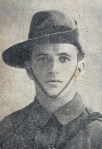
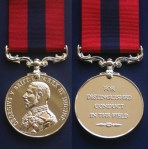

William Murdoch was born at Singleton, New South Wales. His occupation is recorded as a Blacksmith and his address as Irvinebank. His next of kin is recorded as his brother Thomas Murdoch of Irvinebank, Queensland. William was a member of the Irvinebank rifle club and at the outbreak of the war he volunteered with the Citizens Military Force (Kennedy Regiment) and embarked aboard the “Kanowna” from Cairns on the 8th August 1914 for garrison duty on Thursday Island. He then volunteered for overseas services with the Australian Naval and Military Expeditionary Force on the 14th August and embarked from Thursday Island aboard the “Kanowna” for Port Moresby on the 16th August. He enlisted in the Australian Imperial Force at Townsville, Queensland on the 17th September 1914, aged 21 years. He embarked for overseas as a Bugler in the 15th Battalion, from Melbourne, Victoria on H.M.A.T. A40 “Ceramic” on the 22nd December 1914 arriving at Alexandria, Egypt on the 1st February 1915. William was a member of the 15th Battalion Band. On the voyage over he was promoted to honorary Sergeant Bugler and on the 18th January 1915 he was charged with “Failing to obey a Battalion order” The Battalion, as a part of the 4th Brigade landed on Anzac Cove in the afternoon of the 25th April 1915. William would only be at Gallipoli for a few weeks as he became ill with Enteric fever and was evacuated to the 15th General Hospital at Alexandria on the 14th June 1915. He was declared dangerously ill and evacuated to England. His brother Thomas and his nephew Sapper Hugh Murdoch was desperate to find out how William was with many letters and telegrams changing hands. After several months in different hospitals William slowly regained his strength. He returned to his battalion in Alexandria, Egypt on the 9th March 1916 where on the 26th May 1916 he was promoted to Sergeant. His battalion sailed from Egypt to France in June 1916 where on the 19th August 1916 he was promoted in the field to 2nd Lieutenant. It was also in August that William was recommended for a Distinguished Conduct Medal, (D.C.M.) for his action North West of Pozieres. On the 2nd February 1917 William was wounded by a grenade at Grandicourt, suffering minor head wound and a wound to the knee, he sort shelter in a dugout in a trench that the Australians had just taken from the Germans. The Germans counter attacked and retook the trench and William along with several other wounded men were taken prisoner. He was reported missing/wounded in action. His brother Thomas was officially informed that William was a prisoner of War on the 30th May 1917. William’s brother, Thomas recieved Williams D.C.M. by the Irvinebank mail in July 1917. During the action at Grandicount William was recommended for a Military Cross, however the award was turned down. He was to remain a P.O.W. of the Germans for the rest of the war, interned at Gefangenenlager, Crefeld, Germany. William was listed for promotion and was promoted during his time as a P.O.W. to full Lieutenant on the 23rd May 1917 and Captain on the 15th August 1918. William was repatriated to England on the 4th January 1919, he proceeded to France on the 27th February 1919 for a few months before returning to England where on the 14th May 1919 he married Evelyn Pryor at Mount Hawke, Cornwell. He was granted leave with pay from 20th June 1919 to the 20th August 1919. William and Evelyn boarded the ship “Wahehe” on the 30th October 1919, heading for Australia only to find that there luggage had been lost. On their return to Australia Willian was stationed at Liverpool camp New South Wales were he sent letters looking for their luggage. It is not known if there luggage was ever found. After a time in Australia William and Evelyn returned England where on the 2nd November 1965, aged 71 years, William Murdoch passed away and was buried Redruth, Cornwall, England.
Private, Patrick William Murrane, 2186, 9th Battalion.

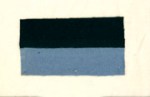
Patrick (Paddy) William Murrane was born at Ravenswood, Queensland on the 13th February 1872. His father is recorded as Patrick Murrane , his mother as Maria Cummings and his address is given as Irvinebank, Queensland. He was a member of the Irvinebank Rifle club and worked in the area as a miner. Patrick enlisted in the Australian Imperial Force at Cairns, Queensland on 19th June 1915 aged 43 years. He embarked for overseas with the 25th Battalion, 4th reinforcement from Brisbane, Queensland on H.M.A.T. A26 “Armadale” on 18th September 1915 disembarking at Egypt in November 1915. He was transferred to the 9th Battalion on the 4th March 1916 and then embarked from Alexandria with the 9th Battalion for Marseilles, France on 3rd April 1916. On the 23rd July 1916 he was wounded in action in France with a gunshot wound to the face. He was repatriated to England and hospitalised at the 3rd Western General Hospital, Cardiff on the 29th July 1916 and then sent to the convalescent hospital at Woodcote Park, Epsom. Patrick was granted some leave and re-joined his battalion in France on 15th January 1917. He received gas poisoning while in action in France on 7th March 1918 and hospitalised at Boulogne. He was discharged from hospital on the 25th March 1918 to rejoin his Battalion. On the 4th May 1918 Patrick was transferred to the 1st Machine Gun Battalion and with the end of hostilities he left France for England on the 12th December 1918. Patrick embarked from England to return to Australia on 5th March 1919 on the “Nevasa” disembarking at Brisbane, Queensland on 25th April 1919 and subsequently discharged on 23rd June 1919 medically unfit. Patrick William Murranne never married, he passed away in Brisbane, Queensland on the 28th February 1928 and is buried at the Toowong Cemetery, Brisbane. The last few years of his life he suffered ill health due to the gas poisoning and his death was attributed to his war services. A notice in the Northern Herald dated Wednesday 7 March 1928. In part states – “The late Mr. Murrane leaves a sister Mrs. Jas. Sheehan, of Lake-street, Cairns, and a brother Mr. Joe Murrrane, of Irvinebank to mourn their loss.”
Private, John Edward Murrane, 942, 25th Battalion.
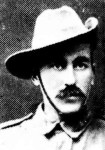
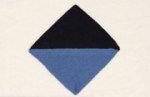
John Edward Murrane was born at Ravenswood, Queensland on the 14th January 1882. He attended Irvinebank State School from 1888 to 1895. His father is recorded as Patrick and his mother as Marie Therese Cummings. His address is recorded as Irvinebank, Queensland, his next of kin as Mrs. S. Sheehan, sister Irvinebank and his occupation as a miner. John was working as a miner in and around the Irvinebank area and was a member of the Irvinebank Rifle Club. At the outbreak of the war he volunteered with the Citizens Military Force (Kennedy Regiment) and embarked aboard the “Kanowna” from Cairns on the 8th August 1914 for garrison duty on Thursday Island. He then volunteered for overseas services with the Australian Naval and Military Expeditionary Force on the 14th August and embarked from Thursday Island aboard the “Kanowna” for Port Moresby on the 16th August. He enlisted in the Australian Imperial Force at Brisbane, Queensland on 11th March 1915. After some training at Enoggera, Brisbane John embarked for overseas with the 25th Battalion from Brisbane, Queensland on board the H.M.A.T. A60 “Aeneas” on 29th June 1915 disembarking at Alexandria, Egypt. After more training the 25th Battalion sailed for the Gallipoli, 4th September 1915. He reported sick with an unrecorded illness to the 7th Field Ambulance on the 3rd of October 1915 and rejoined his company on the 25th of October. After the evacuation of Gallipoli the 25th Battalion returned to Alexandria, Egypt on the 9th January 1916 and the battalion then embarked for Marseilles, France on the 19th of March 1916. John was hospitalised at the 7th Australian Field Ambulance, France for a compound fractured skull, ribs and scapula as a result of a motor vehicle accident. John Edward Murrane died from his injuries on the 13th of May 1916 aged 34 years. He is buried at Erquingham Cemetery, Armentieres, France.
Nurse, Monica Margaret O’Callaghan, Australian Army Nursing Service.
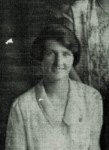
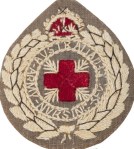
Monica O’Callaghan was born in Irvinebank, Queensland on the 2nd December 1887. Her father is recorded as Callaghan O’Callaghan and her mother as Margaret Finlay. Her address is recorded as Kangaroo Point, Brisbane, Queensland. Monica was a trained nurse and at 29 years old she enlisted for overseas service with the Australian Army Nursing Service at Brisbane, Queensland on 8th November 1917. Monica embarked from Sydney, New South Wales on the SS “Canberra” on 16th November 1917 disembarking at Bombay, India on 11th December 1917. Monica was admitted to hospital in Bombay on arrival with measles and discharged on the 8th January 1918. She returned to duty on the 18th January 1918 and was posted to King Gorge War Hospital, Poona, India. She returned to Bombay in October 1918 were she was hospitalised with Pneumonic Influenza. She left India and returned to Australia on board the “Eastern” on 13th April 1919 arriving on the 20th May 1919 where she was discharged at Brisbane, Queensland on 26th September 1919. Monica returned to nursing work at the Cairns District hospital were she had completed her nursing training in 1915. In January 1921 she was elected as an Honoray member of the Cairns sub branch of the RSL (Returned and Services League of Australia) for her work overseas during the war. She met and then married William Kevin Aloysius Collins on the 24th January 1924 at Cairns, Queensland. Monica became Mayoress of Cairns when her husband William was elected as Mayor in 1927, he remained Mayor until 1949. Monica was very civic minded helping out where she could. She donated land to the Cairns RSL Sub Branch to build Warhaven a home for homeless returned service men, which still operates to-day. Monica Margaret Collins (O’Callaghan) passed away on the 24th March 1960 and is buried in a family plot with her husband at the Martyn Street Cemetery, Cairns, Queensland.
Private, Sidney Thomas Raymond, 186, 15th Battalion.


Sidney Thomas Raymond was born at Bottinshamlade, England in 1884. His father is recorded as John Alfred Raymond and his mother as Catherine. His next of kin is recorded as his mother Mrs. Catherine Raymond, Longacre, London, England. His address is given as Australian Hotel, Irvinebank, Queensland and his occupation as a miner. Sidney was working as a miner in and around the Irvinebank area and was a member of the Irvinebank Rifle Club. At the outbreak of the war he volunteered with the Citizens Military Force (Kennedy Regiment) and embarked aboard the “Kanowna” from Cairns on the 8th August 1914 for garrison duty on Thursday Island. He then volunteered for overseas services with the Australian Naval and Military Expeditionary Force on the 14th August and embarked from Thursday Island aboard the “Kanowna” for Port Moresby on the 16th August. He enlisted in the Australian Imperial Force on the 17th August 1914 at Townsville, Queensland, aged 30 years. After some training he embarked from Melbourne, Victoria aboard H.M.A.T. A40 “Ceramic” with the 15th Battalion on the 22nd December 1914, disembarking at Alexandira, Egypt in early February 1915. The 15th Battalion was part of the invasion force sent to Galliploi, landing in the afternoon of the 25th April 1915. On the 14th May Sidney received a bullet wound to his left thigh and was transported to Kasiel Hospital Cairo on the 15th May. He was then sent to the Australian General Hospital at Heliopolis where his leg was amputated on the 28th May. Sidney embarked to Australia on the ship H.T. “Themistocles” from Egypt on the 15th August 1915, arriving at Melbourne, Victoria on the 9th September 1916. He was discharged medically unfit at Brisbane, Queensland on the 19th January 1916 and was granted a pension of 3 pounds per fortnight. Sidney married Kate McSwaine Hunter on the 18th September 1917, it is not known if the couple had any children. Sidney Thomas Raymond died on the 2nd August 1938 at Brisbane, Queensland aged 55 years and was buried at the Toowong Cemetery, Brisbane. In 1946 his wife, Kate made application to the War Services Homes Commission for assistance and in August 1967 she made application for Sidney’s Gallipoli Medal.
Major, James Moffat Reid, 1st Australian Light Horse Regiment.


James Moffat Reid was born at Tent Hill, New South Wales on the 9th September 1881. His parents were John and Emily Reid (Coxall) of Tenterfield, New South Wales. James father John Holmes Reid was a partner of John Moffat in the Irvinebank Mining Company and took over the management of the Irvinebank Mining Company from 1912, when John Moffat retired, until 1918. In his fathers absences James managed the Reid family home Stannum House at Tenterfield and their property Cottesbrook. James was a mining engineer and was Captain of Tenterfield 1/2 squad 6th Light Horse with 13 years military experience the Commonwealth Military Forces before he submitted an application for a commission in the Australian Imperial Force on the 27th August 1914. James was promoted to Major on the 3rd October 1914. He embarked from Sydney, New South Wales on board the H.M.A.T. A16 “Star of Victoria” on the 20th October 1914 with the A squadron,1st Australian Light Horse Regiment and disembarked in Egypt on the 8th December. The infantry on Gallipoli where in desperate need of reinforcements and it was decided to send the Light Horse regiments as infantry. A Squadron, 1st Australian Light Horse landed at Gallipoli on the 9th May 1915. On the 18th July 1915 James was temporarily transferred to the Miners Coy to help dig under the Turkish positions. He was in charge of over 200 miners digging tunnels and laying charges under the Turks. Major Reid led the charge of A Squadron from Pope’s Hill known as the Chessboard attack 4.30 am on the 7th August 1915 where he was badly wounded through the right hand. James Moffat Reid is believed to have been killed by a bomb blast while trying to advance from captured enemy trenches. His body was never recovered, he was 34 years old. His Memorial is on the Lone Pine Memorial (Panel 1), Gallipoli, Turkey.
Private, Harold Edward Davis Rogers, 3599, 52nd Battalion, 10th Reinforcements.
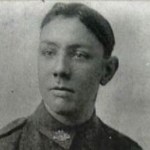
From 1916 Australian Army Postal Corps base and field post offices wore a 4 inch wide arm band on both arms divided white over red.
Harold Edward Davis Rogers was born in Irvinebank on the 20th November 1899. He attended Irvinebank State School from 1903 to 1906. His father is recorded as John Edwin William Davis and his mother as Sarah Eliza Rogers of Ravenshoe, Queensland. His occupation was a Postal assistant and his address as Post Office, Ravenshoe, Queensland. ( Address on Nominal roll is Irvinebank.) Harold was 18 years old when he enlisted in the Australian Imperial Force at Cairns, Queensland on 10th May 1917. Harold embarked for overseas with the 52nd Battalion 10th reinforcement from Sydney, New South Wales on H.M.T.A. “Euripides” A14 on 31st October 1917 disembarking at Devonport, England on 26th December 1917. Harold left from Dover, England for Calais, France to join his unit on 1st April 1918. He was transferred from the 52nd Battalion to the 49th Battalion on the 16th May 1918. Harold was admitted to hospital sick from the 3rd June to the 11th June 1918. He then started training at the Signal School from 31st July to 12th September 1918 and was congratulated on his results. He was transferred to the Australian Postal Corps on the 21st October 1918. Harold was granted leave from 10th March 1919 to the 11th June 1919 to attend British School of Telegraphy in London. In early April Harold contacted influenza and was admitted to hospital on the 3rd April 1919 until the 15th April 1919. Harold returned to Australia from London on board the “Anchises” on 22nd August 1919, disembarking at Sydney, New South Wales on the 13th October 1919. He was discharged from the Australian Imperial Force at Brisbane, Queensland on 13th November 1919. Harold returned to work with the Post Master General department and married Phyllis Daisy Earl Hensler on the 3rd April 1922 one child is known to their marriage. With the outbreak of the Second World War Harold re-enlisted on the 28th December 1939 with the rank of Lieutenant in the 6th Division Postal Unit 2nd Australian Imperial Force. He rose through the ranks to be Captain on the 28th October 1941 and Major on the 1st September 1942 and was Mentioned in Dispatches twice. He lived in Brisbane, Queensland where he became a Post Master at suburban Post Offices. His first wife Phyllis died in 1949. After his first wife’s death Harold re married to Dorothy Doreen Cuddihy. Harold Edward Davis Rogers died in Brisbane, Queensland on the 17th March 1960 aged 61 years. He was buried at Nudgee Cemetery and Crematorium Brisbane, Queensland. His second wife Dorothy died in 2000 and is buried with Harold.
Private, John Edward Roonan, 1725, 47th Battalion, 2nd Reinforcement.
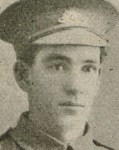
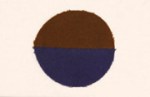
John Edward Roonan was born in Charters Towers, Queensland on the 13th March 1890. He lived in Irvinebank and worked as a miner. His next of kin is recorded as his wife care of his mother Mrs J. Roonan, Irvinebank. He married Ivy Agnes May Ward on the 24th June 1914 and there first child, was born in January 1915 and there second child in March 1916. He was one of a group of men on a special train that left Irvinebank to enlist in Cairns. “A Special train passed through Stannary Hills from Irvinebank gaily decorated with the flags of Liberity. Stannary Hills railway platform was crowed with people anixous to do honor to the brave boys” John was 25 years old when he enlisted in the Australian Imperial Force at Cairns, Queensland on the 11th November 1916. He embarked from Sydney New South Wales with the 47th Battalion, 2nd reinforcement on the SS “Hawkes Bay” on 20th April 1916 disembarking at Egypt. On arrival he was informed that his son, Alfred had died from convulsions on the 30th April 1916 at Irvinebank. He then embarked from Alexandra, Egypt for Plymouth, England arriving on 16th June 1916. John proceeded to France to join his battalion on 30th July 1916. On 22nd November 1916 he developed Trench or Chilled Feet, a condition often effecting soldiers in the trenches and was hospitalised. Discharged from hospital on 1st December 1916 he re-joined his unit in the field. On 20th January 1917 he was wounded in action in France with a shell wound to his left leg, thigh and foot and was admitted to hospital for basic treatment. On the 5th February 1917 he was transferred to the 1st Southern General Hospital in England to remove shell and bone pieces from his wounds. John was transferred to the 1st Auxiliary Hospital, Harefield on the 20th March for further treatment and declared permanently unfit for active and home service. He was repatriated to Australia on board the H.T. “Miltiadee” 4th May 1917 and discharged from the Australian Imperial Force on 22nd August 1917. John and his family were granted a pension with John receiving 3 pounds, his wife Ivy 1 pound 10 shillings and there daughter Ivy 1 pound. Sometime in 1920 or 1921 John Edward Roonan contracted Tuberculosis and ended up at Waterfall Sanatorium, near Hurtsville, New South Wales, where on the 12th November 1921 he died, aged 31 years and was buried in the Waterfall (Garrawarra) Cemetery, Hurtsville, New South Wales.
Lance Corporal, William Oliver Sheppard, 34, 41st Battalion, Headquarters.

William Oliver Sheppard was born on the 8th January 1898 at Irvinebank, Queensland. He attended Irvinebank State School from 1903 to 1909. His father is recorded as Sydney Sheppard manager of the Vulcan mining Company and his mother as Agnes Warner. As a young man Willian worked as a miner in the Irvinebank area and was a member of the Irvinebank Rifle Club. At the outbreak of the war he volunteered with the Citizens Military Force (Kennedy Regiment) and embarked aboard the “Kanowna” from Cairns on the 8th August 1914 for garrison duty on Thursday Island. He then volunteered for overseas services with the Australian Naval and Military Expeditionary Force on the 14th August and embarked from Thursday Island aboard the “Kanowna” for Port Moresby on the 16th August. He was one of a group of men on a special train that left Irvinebank to enlist in Cairns. “A Special train passed through Stannary Hills from Irvinebank gaily decorated with the flags of Liberity. Stannary Hills railway platform was crowed with people anixous to do honor to the brave boys” William enlisted in the Australian Imperial Force on the 11th November 1915, aged 18 years. His next of kin was given as his father Sydney Sheppard, Royal Hotel, Irvinebank. After some training he embarked with the 41st Battalion from Sydney, New South Wales aboard H.M.A.T. A64 “Demosthenes” on the 18th May 1916. William disembarked at Plymouth, England on the 20th July 1916 where on the 6th November 1916 he was promoted to Lance Corporal. On the 24th November 1916 his Battalion proceeded to France and moved to the front line on Christmas Eve. William was admitted to hospital in the field for an unknown illness on the 16th March 1917 and discharged in April. He was charged with neglecting to obey a general order on the 13th December 1917 and his punishment was a reprimand from his Commanding officer. He attended gas school for 6 days in February 1918 and was granted 8 days leave in Paris in March. He was slightly wounded on the 29th May 1918 and temporally promoted to Corporal on the 1st July 1918. William was granted leave to England on the 12th August 1918 where he reverted back to Lance Corporal. While he was in England he was admitted to the 1st Australian Dermatological Hospital with V.D. and was discharged from Hospital on the 3rd October 1918. William embarked from England for Australia on board “Cermic” on the 25th January 1919 arriving at Melbourne, Victoria on the 14th March 1919 and then on to Brisbane were he disembarked on the 26th March. He was discharged from the Australian Imperial Force at Brisbane, Queensland on the 10th May 1919. He returned to Irvinebank before moving to Cairns where on the 30th March 1933 he married Alice Mariam Wright at St Peters Church, Cairns. William Oliver Sheppard died at Cairns, Queensland on the 23rd January 1990, aged 92 years and is buried at the Cairns General Cemetery.
Private, Charles Henry Sheridan, 191, 15th Battalion.

Charles Henry Sheridan was born at Rockhampton, Queensland in 1885. Prior to the war he was working in the Irvinebank area as a miner and was a member of the Irvinebank Rifle club. At the outbreak of the war he volunteered with the Citizens Military Force (Kennedy Regiment) and embarked aboard the “Kanowna” from Cairns on the 8th August 1914 for garrison duty on Thursday Island. He then volunteered for overseas services with the Australian Naval and Military Expeditionary Force on the 14th August and embarked from Thursday Island aboard the “Kanowna” for Port Moresby on the 16th August. He enlisted in the Australia Imperial Force at Townsville, Queensland on the 28th September 1914, aged 29 years. His next of kin was given as his wife Mrs Julia Ann Sheridan, Irvinebank. After some training in Victoria, he embarked with the 15th Battalion on board H.M.A.T. A40 “Ceramic” from Melbourne, Victoria on the 22nd December 1914 arriving at Alexandria, Egypt in February 1915. After more training the 15th Battalion as a part of the 4th Brigade embarked for the Island of Lemonos to prepare for the landing on Gallipoli. The Battalion landed at Gallipoli on the afternoon of the 25th April. On the the 10th May 1915 Private Charles Henry Sheridan was killed in action at Gallipoli, aged 30 years. His body was never recovered and his Memorial is at Lone Pine memorial, Panel 49, Gallipoli, Turkey. His wife, Julia received a pension of 52 pounds per annum and his adopted daughter Bertha also received a pension of 13 pounds per annum. Julia received Charles memorial plaque and King’s message on the 10th April 1922.
Corporal, William Joseph Speirs, 795, 15th Battalion.
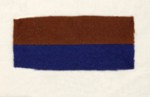
William Joseph Speirs was born at Irvinebank, Queensland on the 2nd August 1895 the son of John Speirs and Catherine Tracey. He attended the Irvinebank State School from 1901 to 1910. William was a member of the Irvinebank Rifle Club and at the outbreak of the war he volunteered with the Citizens Military Force (Kennedy Regiment) and embarked aboard the “Kanowna” from Cairns on the 8th August 1914 for garrison duty on Thursday Island. He then volunteered for overseas services with the Australian Naval and Military Expeditionary Force on the 14th August and embarked from Thursday Island aboard the “Kanowna” for Port Moresby on the 16th August. William enlisted in the Australian Imperial Force at Townsville, Queensland on the 5th October 1914, aged 20 years. His next of kin is recorded as his mother Mrs. C. Speirs, Irvinebank, Queensland and his occupation as a Butcher. He embarked for overseas service with the 15th Battalion, as a Bugler on board the H.M.A.T. A40 “Ceramic” from Melbourne, Victoria on the 22nd December 1914 disembarking at Alexandria, Egypt on the 1st February. After more training the 15th Battalion as a part of the 4th Brigade embarked for the Island of Lemonos to prepare for the landing on Gallipoli. The Battalion landed at Gallipoli on the afternoon of the 25th April. William was reported wounded in action on the 18th August 1915 suffering a bullet wound to the thigh and admitted to the 1st Australian General Hospital, Heliopolis, Egypt. He was discharged from hospital 4th September 1915 he re-joined his battalion at Gallipoli. He was appointed Lance Corporal 8th May 1915 and promoted Corporal 17th July 1915. After the evacuation from Gallipoli in December 1915 the battalion returned to Egypt, where at his own request he reverted to Private 7th April 1916. William had been a member of the 15th Battalion band and also became the battalions Bandmaster. Of the 31 members of the 15th Battalion Band that landed on Gallipoli only eight original members were left after the evacuation. In a letter home to his mother William states that only four original members were left. William and his battalion embarked from Alexandria for Marseilles, France on the 8th June 1916. On the 6th November 1916 he was appointed as a Driver in the field reverting back to private at his own request on the 24th December 1917. William was granted Special 1914 Leave to Australia. He embarked for Australia on board the H.T. “Port Damoin” on the 16th October 1918 and disembarked at Melbourne, Victoria on the 23rd November 1918. He was discharged from the Australian Imperial Force at Brisbane, Queensland on the 26th February 1919. William was a very lucky man, as the men were landing at Gallipoli a piece of shrapnel hit William in his rising sun badge worn on their uniform collar, the shrapnel piece embedded in the badge and saved his life. William Joseph Speirs died on the 22nd June 1959 at Rozelle, New South Wales. He was buried at the Rookwood Cemetery and Crematorium, Sydney, New South Wales. No record of a marriage could be found in Queensland or New South Wales but on his Head Stone are the words – “In Loving memory of my Dear Husband.”
Driver, Robert Henry Stanley, 195, 15th Battalion.
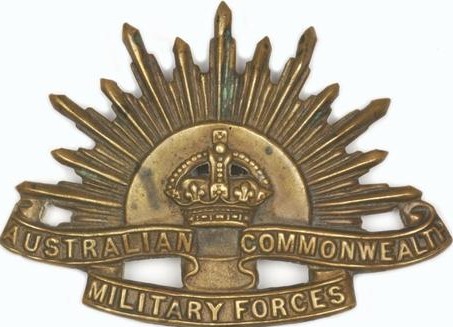
Robert Henry Stanley was born to Albert Stanley and Nora O’Leary on the 15th August 1885 at Ravenswood, Queensland. Robert was working in the Irvinebank area and was a member of the Irvinebank Rifle Club. He served in the Australian Naval and Military Expeditionary Force sailing on the “Kanowna” for Thursday Island and German New Guinea. He enlisted in the Australian Imperial Force at Townsville, Queensland on the 17th September 1914, aged 29 years. His occupation is recorded as a Barber, he was single, his address was given as Ravenswood, Queensland and his next of kin as Mrs. Nora Stanley, Ravenswood. After some training in Victoria he embarked with the 15th Battalion from Melbourne, Victoria aboard H.M.A.T. A40 “Cermic” on the 22nd December 1914, arriving at Alexandira, Egypt on the 1st February 1915. After more training the 15th Battalion as a part of the 4th Brigade embarked for the Island of Lemonos to prepare for the landing on Gallipoli. The Battalion landed at Gallipoli on the afternoon of the 25th April, where Robert was promoted to Driver on the 21st November 1915. Robert survived the horrors of Gallipoli and after the evacuation the Battalion returned to Egypt. His battalion embarked from Alexandria, Egypt on the 1st June 1916 and disembarked at Marseilles, France on the 10th June 1916. The battalion took part in the battle of Poziers in August 1916. Robert was granted leave in France on the 14th December 1916. After the battle at Bullecourt the Battalion stayed in Belgium were Robert was again given leave in France from the 27th August to the 11th September 1917. The Battalion took part in the German Spring Offensive, Hamel and Amiens. Robert was granted Special 1914 leave and he embarked for Australia aboard H.T. “Devon” on the 16th October 1918, disembarking at Melbourne, Victoria on the 23rd November 1918. He was discharged from the Australian Imperial Force at Brisbane, Queensland on the 4th May 1919. He married Ellen Kelly on the 11th April 1923 and they had 2 children. Robert Henry Stanley died at Ayr, Queensland on the 14th December 1939 aged 54 years. He is buried in the Ayr cemetery in an unmarked grave.
Corporal, Robert Stevens, 1362, 15th Battalion, 1st Reinforcement

Robert John Stevens was born in 1888 at Hughenden, Queensland. His father was John Golden Stevens. Robert must have worked around Irvinebank as he was a member of the Irvinebank Rifle Club. At the outbreak of the war he volunteered with the Citizens Military Force (Kennedy Regiment) and embarked aboard the “Kanowna” from Cairns on the 8th August 1914 for garrison duty on Thursday Island. He then volunteered for overseas services with the Australian Naval and Military Expeditionary Force on the 14th August and embarked from Thursday Island aboard the “Kanowna” for Port Moresby on the 16th August. He enlisted in the Australian Imperial Force on the 12th November 1914, his address is recorded as Mrs. T. Stevens C/o Mrs. S. Foley, Elin, Ingham, Queensland, He was aged 26 years, his occupation was given as a prospector and his next of kin was his mother Mrs. Tamar Stevens, Sunnmount, Mount Garnet, Railway. Robert embarked, as a Sergeant with the 15th Battalion, 1st Reinforcement for overseas on H.M.A.T. A35 “Berrima” from Melbourne, Victoria on the 22nd December 1914, disembarking at Alexandria, Egypt on the 3rd February 1915 where on the 10th April he reverted back to Corporal. The 15th Battalion proceed to the Island of Lemnos to prepare for the landing on Gallipoli on the 25th April. After the landing, Robert was wounded with a bullet wound in the right thigh, he was evacuated back to Hospital in Egypt on the 21st May for treatment. He returned to his Battalion on the 8th June 1915. He was back in Hospital at Heliopolis, Egypt on the 17th September 1915 with eye trouble. He was diagnosed with Retinal Hypenaesthesia ( Hypertensive Retinopathy – Eye damage from long term high blood pressure ) He was diagnosed with conjunctivitis on the 8th December 1915 and then Jaundice on the 15th January 1916. He was discharged from hospital on the 22nd May 1916. On the 28th June he was transferred to the Australian depot Stores as a storeman. His embarked the Australian Depot Stores from Alexandria aboard “Royal George” for England on the 3rd September and then moved to Salisbury. Robert was admitted to hospital at Bulford on the 15th October with V.D. he was discharged on the 1st January 1917. He proceed to France on the 28th February disembarking at Elaples on the 1st March, rejoining the 15th Battalion on the 3rd April. He was back in hospital again with Mumps for 16 days in March. He returned to his battalion and was reported missing in action on the 11th April 1917 in the battle around Bullecourt. He was one of the 28 Officers and 1,142 men captured in the Reincourt / Bullecourt area and was inturned at Limbury P.O.W. camp in Germany for the rest of the war. After the armistice, Robert was repatriated to England on the 28th December 1918. He married Dora Evertt lever at Wilton Wilts parish church on the 6th January 1919 and was granted leave from the 30th January. Robert and Dora embarked from England aboard H.T. “Bremen” on the 4th June 1919 and disembarked in Australia on the 29th July 1919. Robert was discharged from the Australian Imperial Force on the 30th September 1919. Robert and Dora had two known children. Robert John Stevens died in the Brisbane area on the 23rd June 1956 and was cremated at the Mount Thompson Crematorium, Holland Park, Brisbane, Queensland.
Private, Ernest Stone, 2945, 15th Battalion.

Ernest Stone was born in Brisbane, Queensland on the 25th April 1884 to James Allan Stone and Elizabeth Murfin. As a young man Ernest worked around Irvinebank and was a member of the Irvinebank Rifle Club. At the outbreak of the war he volunteered with the Citizens Military Force (Kennedy Regiment) and embarked aboard the “Kanowna” from Cairns on the 8th August 1914 for garrison duty on Thursday Island. He then volunteered for overseas services with the Australian Naval and Military Expeditionary Force on the 14th August and embarked from Thursday Island aboard the “Kanowna” for Port Moresby on the 16th August. He enlisted in the Australian Imperial Force at Cairns, Queensland on the 7th June 1916, aged 32 years. His occupation is recorded as a miner, his next of kin was given as his brother, Percy Stone, Irvinebank, Queensland. After training in Brisbane he sailed with the 4th Pioneer Battalion, 6th Reinforcement on H.M.A.T. A36 “Boonah”, from Brisbane on the 21st October 1916. He disembarked at Plymouth, England on the 10th January 1917. It was not long before Ernest was in trouble, he was charged for being Absent without Leave for five days on the 29th January 1917 and forfeited 20 days pay. He proceed to Havre, France on the 23rd July 1917 where on the 11th August he was transferred in the field to the 15th Battalion. Ernest was admitted to Hospital on the 5th February 1918 for an unknown illness and rejoined his Battalion on the 14th February. He was again admitted to Hospital on the 7th April with scabies and rejoined his Battalion on the 12th April. Ernest was wounded in action on the 4th July 1918 with a bullet wound to the chest and was admitted to the 9th General Hospital in Rouen. He was invalided back to England and admitted to the 3rd Auxiliary Hospital at Dartford. After treatment he was transferred to the Australian Auxiliary Hospital at Weymouth on the 20th September. Ernest was repatriated back to Australia on the “Sardinia” leaving England on the 19th October and disembarking at Melbourne, Victoria on the 27th December 1918. His records indicate that he was Court Martialed, one page has – “Proceedings of Court Martial held for trial of E. Stone, Sentence- 6 months – ‘unreadable’ Dated 20th February 1918. Another page states that the – ” Proceedings of Court Martial filed with the Attorney Generals Department” He may have been Court Martialed for being A.W.L. for five days or given a suspended sentence as there is no reference to it any where else in his service files. Ernest was discharged from the Australian Imperial Force at Brisbane, Queensland on the 28th March 1919. Ernest Stone died in 1946 in Queensland. It is not known where he is buried or if he married.
Private, Alfred Tait, 2210, 49th Battalion.
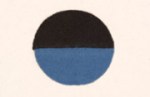
Alfred Nicholas Tait was born at Irvinebank, Queensland on the 6th June 1898 to James Tait and Bridget Daly. Alfred attended Irvinebank State School from 1903 to 1910. He enlisted in the Australian Imperial Force on the 29th July 1915 at Brisbane, Queensland. His occupation is recorded as a miner, he was single, aged 18 years and his next of kin is given as his father Mr. J. Tait Irvinebank, Queensland. Both his parents signed a letter giving Alfred permission to enlist. Alfred embarked with the 9th Battalion, 9th Reinforcement from Sydney, New South Wales aboard H.M.A.T. A33 “Ayrshire” on the 1st September 1915 for Egypt where he joined his unit at Tel-el-Kebir on the 21st January 1916. Alfred was transferred to the new 49th Battalion on the 25 February 1916. He was hospitalised on the 22nd April for an unknown illness and on the 20th May he was charged for being Absent without Leave and fined 13 days pay. The 49th Battalion embarked from Alexandria, Egypt on the 5th June and disembarked at Marseilles, France on the 12th June. The battalion moved into the trenches and fought in the battle around Mouquet Farm. Alfred was wounded in action with a shell wound to the hand, arm and leg on the 4th September 1916. After treatment in France he was transferred to hospital in England with the severe wound to hand. He was repatriated back to Australia on the hospital ship “Karoola” embarking from Southampton on the 16th October 1916 and disembarking at Melbourne, Victoria on the 2nd December 1916. he then proceed to Brisbane, Queensland by train and was discharged from the Australian Imperial Force on the 24th January 1917. He married Amelia May Armstrong on the 1st September 1920 and had two children. Alfred enlisted for the Second World War on the 29th December 1939 at Sydney, New South Wales. He served in the 1st General Battalion and the 1st Australian Farm Company. He saw service at Darwin, Northern Territory, was continually in and out of hospital and was Absent without leave many times. He was medically discharged on the 6th October 1944. He returned to his wife and lived at Marrickville, New South Wales. Alfred Nicholas Tait died 28th February 1951 at the Marrickville, New South Wales.
Private, Andrew Tait, 1915, 3rd Pioneer Battalion.
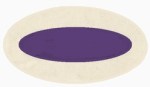
Andrew Tait was born at Mountalbion, Queensland on the 30th June 1896 to James Tait and Bridget Daly. He attended Irvinebank State School from 1903 to 1909. He enlisted in the Australian Imperial Force at Cairns, Queensland on the 25th March 1916, aged 20 years. His occupation is recorded as a miner, his address as Cairns, Queensland and his next of kin as his mother Mrs. Bridget Tait, Irvinebank. He was allotted to the 11th Depot Battalion on the 3rd April and then to the 41st Battalion on the 10th May 1916. After some training he embarked with the 41st Battalion from Brisbane, Queensland aboard H.M.A.T. A42 “Boorar” on the 16th August 1916 and disembarked at Plymouth, England on the 13th October 1916. On the ship coming over from Australia, Andrew was charged with” Failing to report for ships guard being Absent without Leave” he forfrited 21 days pay. On the 6th November, Andrew was in trouble again, this time he was charged with” in the field – “After being told by the company Sergeant to be on parade at 9.00 am he neglected to do so” he forfeited three days pay. He was transferred to the 3rd Pioneer Battalion on the 22nd November 1916 and then proceed with the 3rd Pioneer Battalion to France on the 24th November. He was admitted to Hospital with Synovitis (Swollen Joints) on the 14th January 1917 and rejoined his unit on the 18th January. On the 12th December 1917 he was sent to the 1st Anzac Corps School at Aveluy and rejoined his unit on the 21st January 1918. ( Anzac Corps schools trained men in Bombing, Lewis Guns, Trench Mortars, Signalling) Andrew was given leave in France from the 23rd June till the 11th July 1918, he was then detached for duty to the 3rd Division Head Quarters on the 1st August 1918 and rejoined his unit on the 12th September. Andrew was admitted hospital on the 25th January 1919 and then transferred to the Australian Dermatological Hospital with V.D. on the 3rd February. After his release form hospital he was attached to the 3rd Training Depot waiting is return to Australia. Andrew was Absent without Leave on the 3rd June 1919 and forfeited 6 days pay. He embarked for Australia aboard the “Konig Luise” on the 21st June 1919 and disembarked at Sydney, New South Wales on the 16th August 1919. He was discharged from the Australian Imperil Force at Brisbane, Queensland on the 2nd October 1919. He married Elizabeth Margaret Monaghan on the 22nd July 1924. Andrew Tait died at Home Hill, Queensland, aged 80 years on the 26th December 1975. He is buried at the Home Hill General Cemetery.
Private, Patrick Gerald Tranby, 2877, 9th Battalion.
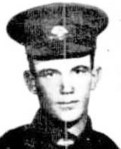
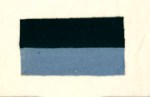
Patrick Gerald Tranby was born at Georgetown, Queensland on the 29th June 1894, the son of William and Mary Tranby of Irvinebank, Queensland. He attended Irvinebank State School from 1907 to 1909 and worked as a miner around Irvinebank area. He enlisted in the Australian Imperial Force at Brisbane, Queensland on the 29th of July 1915 aged 20 years. His mother supplied a letter, dated 23rd July 1915 giving her consent for Patrick to enlist. He was single, his occupation is recorded as a miner and his next of kin as his mother Mrs. M. Tranby, Irvinebank, Queensland. He embarked with the 25th Battalion 6th reinforcement from Brisbane, Queensland on the H.M.A.T. A48 “Seang Bee” on the 21st October 1915. He disembarked at Alexandria, Egypt in February 1916 and was allotted to the 9th Battalion, proceeding to Habeita for training on the 28th February 1916. The battalion then sailed to France and disembarked at Marseilles on the 3rd April 1916. The battalion was billeted in the Rouge de Bout area when on the 20th April 1916, Patrick was wounded in action, he had his left leg blown off by a artillery shell while in the field. His leg was amputated the next day. After hospital in France, he was invalided to England on the 14th May 1916 and admitted to the London General Hospital on the 17th May 1916. He wrote to his uncle in Irvinebank from hospital in Harefield, Middlesex with a very positive attitude – “but don’t worry Uncle for I’m alright; of course I will not be the same again, still I will be able to earn my own living, and that is all I want. I intend learning an easy trade and going into a motor garage; I do not know when or where, but I signed on to-day and I expect to be sent to Australia to learn the trade” – “I had a pretty hard time of it, but I might tell you that it was two hours before they got to me to pick me up and I had lost a lot of blood. There were three or four dead fellows on top of me and I could not call out to anybody to come and help me, and in any case it wasn’t much use calling for those about if not killed, were wounded and calling out, themselves, for help. My foot was only hanging on by a little bit of skin, so they cut it off with a knife and the worst of it was our doctor himself was wounded so I had to be taken to a dressing station and was fixed up at La Vanty.” After further treatment he was discharged from Hospital on the 20th February 1917 and admitted to the hospital ship ‘Karoola’ for the return voyage to Australia, embarking on the 22nd February 1917 and disembarked at Brisbane 10th April 1917. He was discharged at Brisbane on the 29th May 1917. He married Mary Huxley on the 20th November 1919 and had several children. His youngest son, Keith, died on the 4th February 1939, 9 days before Patrick. Patrick Gerald Tranby died on the 13th February 1939, aged 42 years at Rosemount Hospital, Brisbane, Queensland. He is buried at the Toowong Cemetery, Brisbane, Queensland. His death was attributed to his war service.
Corporal, John Henry Wedderick, 499, 42nd Battalion.
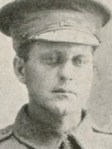

John Henry Wedderick was born at Toowoomba, Queensland on the 19th February 1890 to Hans Detlef Wedderick and Annie Maria Glindemann. He was appointed as a Queensland Police Constable on the 10th July 1911 at Brisbane, Queensland. He was serving as a Police Constable in Irvinebank, Queensland in 1914 prior to enlisting in the Australian Imperial Force at Townsville, Queensland on the 25th October 1915 aged 25 years. After training he embarked as a Corproal with the 42nd Battalion from Sydney, New South Wales on H.M.A.T. A30 “Borda” on the 5th June 1916, disembarking at Southampton, England on the 23rd July 1916. John was promoted to Provost Corporal on the 24th July 1916. He was admitted to hospital on the 24th July 1916 with contusion eye, (bad black eye) he suffered an accidental injury “blow to the left eye” while bayonet fighting on field service duty (not due to any misconduct). He was discharged from hospital on the 23rd December 1916. He was then promoted to EDP (Extra Duty Pay) Sergeant on the 29th December 1916, then to ED (Extra Regimental) Sergeant on the 28th March 1917 at the Australian Imperial Force Depot Tidworth, England. John was again admitted to Hospital on the 13th April 1917 with Influenza, on the 23rd April he was appointed temporary Sergeant and discharged from hospital on the 24th April 1917. He reverted back to Corporal on the 5th November 1917. The injury to his eye left him with double vision. He was subsequently “declared unfit for general service duty” Amblyopia (Lazy-Eye) and embarked from England aboard the “Dueham Castle” on the 10th March 1918. He disembarked at Sydney,New South wales on the 12th May and was discharged from the Australian Imperial Force at Brisbane, Queensland on the 29th June 1918. He married Marjory Hellen Ashton Brodie on the 7th October 1918. He resumed his job as a police Constable working in Cairns, Port Douglas and Cooktown and other towns in North, Queensland. He retired from the Police force around 1925 and had business interests in Cairns, he sold up and then moved to Mareeba, Queensland around 1928 where he worked as a Cab owner-Driver and was well known and highly respected member of the community. John Henry Wedderick died at the Atherton Hospital on the 17th March 1934 leaving his wife and three daughters. He is buried at the Mareeba Pioneer Cemetery, Mareeba, Queensland.
Corporal, Thomas Young, 574, 41st Battalion.
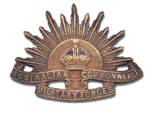

Thomas Young was born at Irvinebank, Queensland on the 3rd May 1897 to George Young and Johanna Martin. He attended Irvinebank State School from 1902 to 1908. As a young man he would have worked around the Irvinebank area. Thomas was the grandson of George ”Daddy” Young partner of John Moffat in the Irvinebank Mining Company. He enlisted in the Australian Imperial Force on the 11th November 1915 at Cairns, Queensland, aged 18 years. His occupation is recorded as labourer, single and next of kin as George Young, Irvinebank, Queensland. After training Thomas embarked as a Corporal with the 41st Battalion aboard H.M.A.T. A64 “Demosthenes” from Sydney, New South Wales on the 18th May 1916, arriving at Plymouth, England on the 20th July 1916. After more training the battalion embarked from Southampton, England for France on the 24th November, 1916. The battalion entered the front line on Christmas Eve 1916 in a cold French winter. Thomas was sent to signals school in the field from 15th April to the 30th May 1917. The battalion had moved into the Messines area where Thomas was wounded in action on the 29th June 1917 with a shell wound to his left buttock. He was admitted to the 3rd General Hospital Boulogue on the 1st July and then transported to England and admitted to King George Hospital on the 3rd August. On the 14th September 1917 the medical Board found that he was – “Permanently unfit for general service and temporarily unfit for home services for 6 months” ” nerve injury”. He embarked from Devonport, England medically unfit on the 5th November 1917 aboard the hospital ship H.T. A32 “Themistocles” disembarking at Sydney, New South Wales on the 3rd January 1918 and then overland to Brisbane where he was discharged on the 12th February 1918. He was granted a pension of 3 pounds and 8 shillings per fortnight. (It is not known where Thomas died or is buried)

Names not on the Irvinebank Roll of Honour.
Private, Alexander Anderson, 2378, 47th Battalion, 5th Reinforcement.

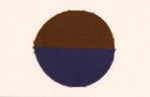
Alexander Anderson was born in 1882 in the Tenterfield District of New South Wales. His parents are thought to be Alexander and Agnes Anderson, nee McKinnon. His father was a long-serving manager of the Jack and Newells store in Herberton, Queensland. As a child, he probably attended Herberton State School and then worked as a storekeeper. Around 1906, Alexander moved to the Northern Territory, working in Pine Creek and Darwin, where he enlisted in the Australian Imperial Force on the 5th May 1916. His next of kin is given as his wife, Mrs. Annie Anderson, care of Mrs. J.J. Linde, Irvinebank, his occupation is recorded as an assistant storekeeper, and he was aged 35 years. After some training, he embarked with the 47th Battalion, 5th Reinforcement from Brisbane, Queensland aboard H.M.A.T. A49 “Seang Choon” on the 19th October 1916. The “Seang Choon” berth in Fremantle, Western Australia to take on more troops. The men on the ship were granted leave and were being transported to shore by a tugboat. There was a ladder for the men to board the tug, but Alexander decided to jump down onto the tug, a distance of about 8 feet. In doing so, he landed on his left leg and fractured it, breaking the tibia. He was admitted to No. 8 General Hospital in Perth, and after he recovered, he was transferred to a detail camp on the 29th December 1916. A Court of Inquiry was held aboard the “Seang Choon at sea on the 1st October 1916, it found – “It was not necessary for Private Alexander Anderson to have jumped on the Tug, there being a ladder to allow troops access to the deck of the Tug”. Private Alexander Anderson was discharged Medically Unfit from the Australian Imperial Force at Brisbane, Queensland, on the 11th April 1917. He returned to his wife in North Queensland and was granted a pension of 1 pound per fortnight, and his wife was granted 15 shillings per fortnight. Their pension was reduced on the 25th October 1917 to 15 shillings per fortnight for Alexander and 7 shillings and 6 pence per fortnight for his wife. He moved to Cairns and was working as a bookkeeper for the Kuranda Milk Company in Cairns and started his own accounting business. Alexander and his wife then moved to Mt.Garnet to manage Mr. Allendorp’s store. After his wife’s death, he relinquished his job with Mr Allendorp and became storekeeper with the Tableland Tin Dredging Company. Alexander Anderson died of natural causes at Mt Garnet Hospital on the 13th April 1942. He is buried next to his wife at Mt Garnet Cemetery, Mt Garnet, Queensland.
Edward Walter Morris Angell, 2317, 42nd Battalion, 5th Reinforcement.
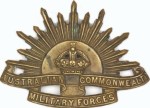
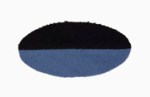
Edward Walter Morris Angell was born at Irvinebank, Queensland, on the 31st January 1897, the oldest child of Edward and Sarah Angell, nee Robertson. Nothing is known of his younger days except that, as a young man, he spent 4 years in the Senior Cadets and 12 months in the Citizens Forces Field Artillery. Edward enlisted in the Australian Imperial Force at Brisbane, Queensland, on the 14th September 1916, aged 19 years. His next of kin is recorded as his mother, Mrs. Sarah Ann Benbow, Brisbane, Queensland, and his occupation is given as a Loco Fireman. After 2 months of training, he embarked with the 42nd Battalion 5th Reinforcement from Brisbane, Queensland aboard H.M.A.T. A55 “Kyarra” on the 17th November, disembarking at Pylmouth, England on the 30th January 1917. After spending some time at Sutton Mandeville Camp depot, Edward was admitted to hospital with Mumps on the 25th February. After he was discharged from the hospital, he was sent to the 11th training battalion at Larkhill on the 17th March. He embarked for France from Southampton on the 25th June, joining the 42nd Battalion on the 13th July. He was wounded in action with a slight wound on the 31st July and rejoined his Battalion on the 4th August. Edward was wounded for a second time on the 12th August with a wound to his left buttock. He was sent to England and admitted to Reading War Hospital on the 17th August. After he had recovered, he was granted leave from the 7th October to the 21st October and then sent to No. 2 Command Depot at Waymouth. With the end of the war, he remained in England with the Australian Imperial Force Headquarters. He was promoted to temporary Corporal on the 23rd January 1919 and then to temporary Sergeant on the 28th May, and then on the 20th October to E.R. Sergeant. (Extra Regimental Sergeant) Edward returned to Australia aboard H.T. “Aeneas”, embarking on the 22nd November 1919 and disembarking at Sydney, New South Wales on the 12th January 1920. Private Edward Walter Morris Angell was discharged from the Australian Imperial Force at Brisbane, Queensland, on the 28th February 1920. He married Bessie Hobbs Ward on the 7th August 1920, it is not known if the couple had any Children. Edward died at Cairns, Queensland, on the 4th April 1990 and is buried at the Cairns Cemetery.
Private, John Barnes, 297, 25th Battalion.

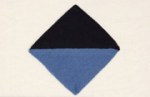
John Barnes was born at Irvinebank, Queensland, on the 13th August 1890 to John and Roseanna Barnes, nee Robbins. He worked in the area as a labourer and was a member of the Watsonville Rifle Club. John enlisted in the Australian Imperial Force at Innisfail, Queensland, on the 18th February 1915. After some training, he embarked with the 25th Battalion from Brisbane, Queensland, aboard H.M.A.T. A60 “Aeneas”, disembarking in Egypt. On the 4th September 1915, he embarked from Alexandria, Egypt, for the Gallipoli Peninsula with the 25th Battalion serving as reinforcements while at Gallipoli. After the withdrawal from Gallipoli, John was admitted to the 7th Field Ambulance, Mudros on the 4th January 1916, and then on the 5th January he was admitted to the 27th General Hospital with Influenza. He was transported aboard the ship H.S. “Asturias” to Cairo and admitted to No.3 Auxiliary hospital. He was then transferred to Helovan Convalescent Depot at Heliopolis on the 4th February and rejoined his Battalion on the 5th March. The 25th Battalion embarked from Alexandria on the 14th March, disembarking at Marseilles, France, on the 19th March. John was admitted sick to hospital with an unknown illness on the 22nd June and discharged back to the 25th Battalion on the 29th June. The battalion took part in the battle at Poziers from the 25th July to the 7th August 1916. Private John Barnes was killed in Action on the 29th July 1916. His body was never recovered, and he has no known grave. His Memorial is at Villers-Bretonneux, France. (Australian National Memorial) John’s father wrote a letter dated 7th January 1917 to Base records inquiring about any of his son’s effects and any other information about his son. He received his son’s Memorial Plaque on the 16th July 1922 and his son’s Victory Medal on the 9th February 1923.
Private, Alexander Norman Collins, 3019, 47th Battalion.
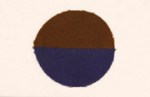
Alexander Norman Collins was born at Winton, Queensland, on the 6th October 1886 to George and Elizabeth Collins, nee Thompson. Nothing is known about his younger days, except that he must have been working in the Blackall, Queensland area, where he enlisted in the Australian Imperial Force on the 12th June 1915. His next of kin is given as his father, George Collins, Irvinebank, North Queensland, and the address was later changed to Jack’s Street, Cairns, Queensland. His occupation is recorded as a labourer, and he was aged 28 years. After some training, he embarked for Egypt, with the 9th Battalion,10th reinforcement from Brisbane, Queensland aboard H.M.A.T. A69 “Warilda” on the 5th October 1915. After disembarking in Egypt, he joined his battalion at Tel-el-Kebir on the 21st January 1916. He was admitted to the Australian Dermatological hospital with V.D. on the 3rd February and discharged to duty on the 15th February. Alexander was transferred to the 47th Battalion on the 23rd March and joined the battalion on the 29th April. He embarked for France from Alexandria, Egypt aboard the “Caledonia” on the 2nd June, disembarking at Marseilles on the 9th June. He was admitted to hospital at Rouen on the 20th November and discharged to his battalion on the 6th February 1917. He was again admitted to hospital on the 20th February and diagnosed with Debility (Physical Weakness). He was transferred to England and admitted to the 1st General Hospital London on the 6th March and discharged to leave from the 23rd June to the 7th July to return to No.1 Command Depot at Perham Downs. He was sent to the overseas training brigade on the 7th December. He was transferred to the 49th Battalion on the 28th May and embarked for France from Folkestone, England on the 10th June. He was again transferred to another battalion, this time to the 45th battalion on the 27th June. With the end of the war, he returned to England on the 16th January 1919. He embarked aboard the “Warwickshire” for return to Australia on the 5th April, disembarking at Melbourne, Victoria on the 28th May 1919. Private Alexander Norman Collins was discharged from the Australian Imperial Force at Brisbane, Queensland, on the 24th July 1919. He returned to the Cairns area and was working as a builder’s employee in Cairns, where he died on the 29th May 1938, aged 50 years. His funeral service was held at St John’s Church, Cairns, and he was buried at the Martyn Street cemetery, Cairns, Queensland.
Private, George Stanely Crook, 795, 41st Battalion.

George Stanley Crook was born at Irvinebank, Queensland, on the 22nd October 1893 to George and Maude Crook, nee Skenfield. George attended Irvinebank State School from 1898 to 1899. As a young man, he worked as a butcher and jockey before he enlisted in the Australian Imperial Force at Cairns, Queensland, on the 4th January 1916, aged 22 years. His next of kin is recorded as his father George Crook, Coolgarra, Queensland, and his occupation is given as a butcher/jockey. After training with the 11th training battalion, he was attached to the 15th Battalion, 19th reinforcement before he was transferred to the 41st Battalion. He embarked for overseas with the 41st Battalion aboard H.M.A.T. A64 “Demosthenes” from Sydney, New South Wales on the 18th May 1916, disembarking at Plymouth, England on the 20th July. On the voyage over, he was charged with ” Breaking away from Quarters on the 22nd June and he forfeited 20 days’ pay. After more training, he embarked for France from Southampton on the 24th November and shortly after his arrival he was admitted to hospital at Rouen with Mumps, rejoining his battalion on the 2nd January 1917. He was temporarily transferred to the Railway Construction Party of the 3rd Australian Division on the 26th January. On the 1st April, George was charged with ” while on active services, being in the town of Berques improperly dressed,” he forfeited 1 day’s pay. He was admitted to hospital with an unknown illness on the 6th April, returning to the 41st Battalion from hospital on the 14th April. He was wounded in action on the 31st July and rejoined his battalion on the 3rd August. Shortly after he was charged with being A.W.L., from “point of assembly without permission,” he forfeited 2 days’ pay and was fined 10 shillings. He was granted leave to England from the 19th December to rejoin his battalion on the 6th January 1918. He was then transferred from the 41st Battalion to Headquarters, 11th Infantry Brigade on the 24th February. George was wounded in action, gassed on the 2nd June, and invalided to England and admitted to the Central Military hospital at Weymouth on the 10th June. He was granted leave from the 4th July to report back to the No.4 command depot on the 18th July. After his recovery, he was charged with being AWL from the 27th August to the 4th September, he received 9 days Field Punishment No.2 ( Locked Up). He reported sick to hospital on the 23rd September, and after he recovered, he was transferred back to the 41st Battalion in France, rejoining his battalion in the field on the 8th December 1918. He was admitted to hospital on the 11th March 1919 ( V.D.) and then sent to the 3rd Australian General Hospital on the 29th March. He embarked for England and was admitted to the 39th General Hospital, Bulford on the 2nd May. On the 6th May, he was transferred to the Australian Dermatological hospital. On the 6th June, George was charged with being “absent from his quarters after lights out.” he was given 5 days’ field punishment No. 2 and forfeited 5 days’ pay. George returned to Australia aboard H.T. “Anchises”, embarking on the 23rd August 1919 and disembarking at Sydney, New South Wales on the 13th October 1919. Private George Stanley Crook was discharged from the Australian Imperial Force at Brisbane, Queensland, on the 6th December 1919. He returned to North Queensland, working around the local horse racing tracks and finding himself in trouble with the law on several occasions. He enlisted in the 2nd A.I.F. on the 6th March 1942 and was discharged on the 18th March 1942. George Stanley Crook died on the 19th September 1944 and is buried at the Atherton Cemetery, Atherton, Queensland.
Private, Henry Dalziel, 1936, 15th Battalion, V.C.

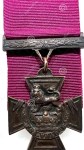

Henry Dalziel was born at Irvinebank, Queensland on the 18th February 1893 to James and Eliza Dalziel nee McMillan. It is believed that he attended school at Mt Garnet State school before he worked as a Locomotive Fireman with Queensland Rail in Cairns. He enlisted in the Australian Imperial Force at Cairns, Queensland on the 16th January 1915. His occupation is given as a Fireman and he was aged 21 years. He embarked from Brisbane, Queensland with the 15th Battalion, 5th Reinforcement aboard H.M.A.T. A55 “Kyarra” on the 16th April 1915, disembarking in Egypt. The reinforcements then embarked for Gallipoli in early July, joining the 15th Battalion on the 13th July. He was admitted to hospital with Rheumatism on the 28th August and embarked for England and was admitted to 3rd General Hospital London on the 15th September. After he recovered, he was sent to the 4th Training Battalion where, on the 17th December, he was charged with 1. Breaking Bounds, 2. A.W.L. for 1 day and 3. Insolence. He was awarded 168 hours ‘detention and 7 days’ pay. Henry returned to France on the 14th August 1916, rejoining his Battalion on the 4th September where he was appointed Driver on the 9th September. On the 1st April 1917, he was sent to do a course at the School of Farriery and on the 7th May he was charged with being “absent without permission until apprehended by military police”. He was given 7 days confined to barracks. He reverted back to Private at his own request on the 31st July. Henry was Wounded in Action with a wound to his arm and left leg on the 16th September. He was sent to England and admitted to hospital on the 30th September. On the 16th November he was transferred to the 3rd Australian Auxiliary hospital at Dartford and then to No.3 Command Depot on the 5th December. After he had fully recovered, he embarked for France from Folkestone on the 30th May 1918, rejoining his Battalion in the field. The 15th Battalion was about to take part in the battle of Hamel in July 1918. It was in this battle that Henry was wounded in action with a wound to his head. The wound exposed his brain, and he was given very little chance of living. It was also in this battle that he was recommended for a Victoria Cross. Henry was evacuated to England aboard H.S. “Panama” on the 19th July and admitted to the 4th London General hospital. After he had partly recovered, he was transferred to the Scottish General hospital on the 29th October and embarked for Australia aboard H.S. “Kanowna” on the 5th January 1919, disembarking at Melbourne, Victoria on the 7th March. He then proceeded by boat to Brisbane where he was discharged, medically unfit, from the Australian Imperial Force on the 16th June 1919. Henry married Ida Maude Ramsay on the 8th April 1920. He enlisted in the Australian Air Corps (Temporary Enlistment) at North Fitzroy, Melbourne on the 17th May 1920 and was discharged on the 14th June. He took up farming on the Atherton Tablelands, moved to Sydney looking for work, tried his hand at gold mining and songwriting. Henry applied to base records for the particulars of his services in the First World War in 1935 with the intention of writing a book. He moved back to Brisbane and enlisted in the Second Australian Imperial Force on the 14th June 1940 with the rank of Sergeant. He played a supporting role, encouraging recruitment and talking to new troops at training camps. He was discharged from the army on the 24th December 1943. Private Henry Dalziel died of a stroke at Greenslopes Repatriation hospital, Brisbane, on the 24th July 1965, aged 72 years. He was cremated with full Military Honours at Mount Thompson Crematorium, Holland Park, Brisbane, Queensland.
Private, Robert Edward Dargen, 2805, 41st Battalion, 6th Reinforcement.


Robert Edward Dargen was born at Maytown, Queensland, on the 1st May 1885 to Anthony and Catherine Dargen, nee Alton. Robert attended Kuranda State School and worked with Queensland Railways at Townsville. Queensland. He enlisted in the Australian Imperial Force at Cairns, Queensland, on the 30th October 1916. His next of kin is given as his mother, Mrs. Catherine Dargen, Irvinebank, North Queensland, his occupation is recorded as a Labourer, and his age as 31 years. After some training, he embarked with the 41st Battalion, 6th reinforcement from Sydney, New South Wales, aboard H.M.A.T. A64 “Demosthenes” on the 22nd December 1916, disembarking at Plymouth, England, on the 3rd March 1917. On the voyage to England, he was admitted to the ship’s hospital for an unknown illness on the 5th January and discharged on the 9th January. He was sent to the 11th training battalion on the 6th March and admitted to Parkhouse hospital with Mumps on the 15th April, being discharged back to the 11th training battalion on the 4th May. Robert was transferred from the 41st Battalion for machine gun training at Grantham on the 16th June and then transferred to the 25th Machine Gun Company on the 16th August. He embarked for France from Southampton on the 7th September, disembarking the same day at Havre, France. He was admitted to hospital in the field on the 20th March 1918 with Debility. He was discharged to a base depot at Havre and rejoined his unit on the 29th May. He was given leave to the U.K. from 12th October to the 29th October. With the end of hostilities, he was given leave to the U.K. from 26th January 1919 to the 9th February, rejoining his unit in France on the 27th February. It was during his leave in the U.K. that he married Edith John, an elementary school mistress on the 3rd February 1919 at Moriah Newchapel, Risca, Newport District. He returned from France on the 1st May, disembarking at Weymouth, England. A few weeks later, he was charged with being AWL on the 24th May. This charge was dismissed by Lieutenant Colonel Holland on the 27th May. Robert and his new wife returned to Australia aboard the “Ceramic”, disembarking at Sydney, New South Wales on the 3rd October 1919. Private Robert Edward Dargen was discharged from the Australian Imperial Force at Brisbane, Queensland, on the 24th March 1920. His marriage to Edith John never worked out, and they separated, and eventually he married Charlotte Elizabeth Rabnott. Robert Edward Dargen died at Brisbane, Queensland, on the 2nd September 1975, aged 90 years. He was Cremated and his ashes are at Albany Creel Memorial Park – Cemetery and Crematorium, Brisbane, Queensland.
Sister Gertrude Julia De Vis, Australian Army Nursing Service.

Gertrude Julia De-Vis was born at Charters Towers, Queensland on the 23rd February 1887 to George and Adeline De-Vis nee Godwin. As a young girl, she was educated in Charters Towers before being trained as a nurse at Charters Towers Hospital. On the 29th January 1915, she took up a position as Martron at Irvinebank hospital, her last position before she enlisted in the Australian Imperial Force, Australian Army Nursing Service at Brisbane, Queensland on the 29th May 1915. Her next of kin is recorded as her mother, Mrs. George De Vis, her occupation is Nurse, and her age is given as 27 years. She embarked for overseas aboard the “Karoola” on the 12th June 1915, disembarking in Egypt and reporting for duty to the 1st Australian General Hospital in Cairo on the 18th July 1915. Gertrude was admitted to the very hospital she worked in with a mild case of Influenza on the 25th February 1916. After recovery, she was sent for duty to the 1st Australian Auxiliary Hospital on the 30th June before it moved to England. She was then attached as Nursing staff aboard the “Borda” and embarked for Australia from Suez on the 17th August. She returned to England, embarking Australia on the 27th October aboard “Marathon”, disembarking on the 9th January 1917 and taking up duty at the 2nd Australian General Hospital. (Gertrude may have been discharged in Australia as she signed new Attestation papers dated 25th January 1917 at Southall, Middlesex, England.) She was sent to the No.2 Command Depot at Weymouth on the 26th January and then embarked for France on the 9th April. She was granted leave to Abbeville in June, England in December/January, and England again in August 1918. Gertrude was promoted to Sister in France on the 1st October and, with the war over, returned to England on the 12th March. She returned to Australia aboard the “Karoola,” embarking at Devonport on the 2nd May, disembarking at Sydney, New South Wales on the 28th June. Sister Gertrude Julia De Vis was discharged from the Australian Imperial Force at Brisbane, Queensland, on the 6th August 1919. She married Lieutenant Edward Bolton Ralston at St Paul’s church, Burwood, New South Wales, on the 21st August 1919. The couple lived at Mona Vale and Eraring in New South Wales. Gertrude spent the last years of her life at the Aminya Nursing Home at Caloundra, Queensland, where she died on the 4th March 1975. At this stage, it is not known if Gertrude was buried or cremated.
Private, Justin John Dougherty, 6585a, 49th Battalion.

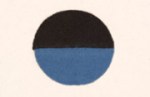
Justin John Dougherty was born at Irvinebank, Queensland, on the 5th September 1895 to William and Elizabeth Dougherty, nee Hopan. Justin attended Irvinebank State School from 1900 to 1908. He spent 18 months in the Citizens Forces before he enlisted in the Australian Imperial Force at Brisbane, Queensland, on the 12th October 1915. After some training, he embarked with the 4th Reinforcement, 6th Field Company Engineers aboard H.M.A.T. A67 “Orsova” from Sydney, New South Wales on the 11th March 1916, disembarking at Alexandria, Egypt on the 14th April. Justin then embarked for England aboard the S.S. “Briton” from Alexander on the 28th May. After a month in England, he was charged on the 23rd June with ” overstaying leave” and awarded 4 days confined to Camp. He was charged again on the 26th June with “absent from roll call” and awarded 1 day confined to camp and 1 day’s pay. He was admitted to the barracks hospital with an unknown illness on the 7th September. He was charged with “failing to report for guard duty” and was awarded 3 days confined to barracks and 1 day’s pay. Justin embarked for France on the 12th November and was transferred to the 14th Field Company Engineers on the 28th November. He was in trouble again on the 7th December, being charged with ” malingering in that he paraded sick to avoid duty” and was awarded a forfeit of 14 days’ pay. He reported sick to hospital on the 7th January 1917 and rejoined his unit on the 30th January. He was admitted sick to hospital at Estaples on the 8th April and embarked to England and admitted to Central Military hospital at Chatham on the 4th May. Justin was transferred to several different units throughout 1917 until he was transferred to the 49th Battalion on the 7th November 1917. He was appointed acting Lance Corporal on the 29th December and sent to gas school. He was appointed acting Corporal on the 1st March 1918 and was charged for being A.W.L. on the 11th March, and he forfeited 5 days’ pay and was demoted to private. He was charged for being A.W.L. on the 15th March and given 8 days Field Punishment No 2 and forfeited 10 days’ pay before embarking for France from Southampton on the 19th March. The 49th Battalion took part in repulsing the large German attack in April 1918 was wounded in action on the 24th April with a wound to his left arm. He was transferred to England on the 27th April and admitted to Richmond Military hospital, then to the 3rd Australian Auxiliary hospital, Dartford. He was discharged to leave on the 18th May to the 30th May to report to the No.1 Command Depot. From May 1918 through to April 1919, Justin was charged around 10 times for being AWL. The worst charge was stealing 14 pounds for which he was sentenced to 3 months’ jail and Court Martialled. He was discharged from the Australian Imperial Force at London, England, on the 16th May 1919. He married Bridget Cronin at St Michael’s Church, Limerick, Ireland, on the 19th July 1919 and remained living in Limerick until Justin, Bridget, and child returned to Australia in 1920. Justin John Dougherty died on the 17th June 1957 and is buried at Lutwyche Cemetery, Brisbane, Queensland.
Sergeant, William Jarman, 6749, 57th Battalion.

William Jarman was born in Irvinebank, Queensland, on the 18th July 1890 to Edward and Jane Jarman, nee Lewis. As a young man, he worked as a Bullock driver before he enlisted in the Australian Imperial Force at Cairns, Queensland, on the 27th April 1915. His next of kin is given as his mother, Mrs E. Jarman, Cairns, his occupation is recorded as a Bullock Driver, and he was 24 years old. After some training at Enoggera Army Camp, Brisbane, he was attached to the 17th Australian Army Service Corps and promoted to Driver on the 22nd May 1915. He embarked for Egypt from Brisbane, Queensland, aboard H.M.A.T. A11 “Ascanius” on the 24th May 1915. He was charged with being ” absent without leave and neglect to obey orders” on the 18th July and was awarded 7 days extra fatigue and forfeit 2 days’ pay. William was transferred to the 57th Battalion on the 15th March 1916 and promoted to Corporal on the 30th May. He embarked with the 57th Battalion from Alexandria, Egypt aboard H.T. “Transylvania” on the 17th June, disembarking at Marseilies, France on the 23rd June. He was admitted to hospital with Bronchitis before embarking for England aboard H.S. “Warilda” from Havre, France, on the 9th December and admitted to the 3rd Southern General hospital. William was discharged from hospital on the 26th January 1917 and given leave until the 10th February to report to the No.1 Command Depot, Perham Downs. He was classed fit and sent to camp Headquarters at Perham Downs on the 4th June. William was charged with being A.W.L. for 4 days on the 30th June, but the charge was admonished by Major Steel. He was again charged with ” behaving in an unsoldierly manner” on the 9th August, and he was reprimanded by Major Devonshire. He returned to France on the 30th December, rejoining his battalion in the field on the 5th January 1918. William was promoted to Sergeant on the 21st May and charged with being ” absent from billeting area without a pass” on the 17th June and reprimanded by the battalion’s Commanding Officer. The 57th Battalion was involved in the counterattack at Villers-Bretonneux in April and the offensive around Amiens in August. Sergeant William Jarman was killed in action on the 4th July 1918. He was buried at Franvillers Communal Cemetery Extension, Picardie, France. There is a single-page document in his file stating that he faced a Court Martial on the 8th May 1917 and was sentenced to 2 years’ hard Labour. Written over this document are the words “not confirmed”. There is no evidence that he spent time in Jail.
Private, Selby Ord Linedale, 3423, 2nd Light Horse Regiment.
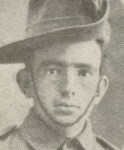

Selby Ord Linedale was born in Irvinebank on the 28th March 1897 to Anthony and Isabella Linedale, nee Jack. He was educated at Sydney Grammar School and worked as a bank clerk before he enlisted in the Australian Imperial Force at Townsville, Queensland, on the 1st March 1917, aged 19 years. His next of kin is given as his father, Anthony Linedale, Atherton, Queensland; his occupation is recorded as a bank clerk, and he had spent 3 years in the cadets at Sydney, New South Wales. After some basic training, he was attached to the Light Horse Training Battalion on the 16th May. He embarked for Egypt aboard H.M.A.T. A55 “Kyarra” from Sydney, disembarking at Suez, Egypt on the 10th October. He was sent to the 1st Light Horse Regiment on the 11th December and then attached to the 2nd Light Horse Regiment on the 23rd December. In the first 6 months of 1918, the 2nd Light Horse Regiment took part in the Es Salt, Jordan raid in early May and the first Amman, Jordan raid in late March. Selby was admitted to hospital with Influenza and Diarrhoea in June 1918, rejoining his unit on the 26th July. He was again admitted to hospital on the 13th January 1919 with Influenza and discharged on the 28th January. He was admitted to hospital on the 4th February with Malaria and discharged with 7 days’ leave on the 12th March. It was recommended that he be given early repatriation, and he embarked for Australia from Port Said, Egypt, aboard H.T. “Dorset” on the 29th April. He was hospitalised for several days on the voyage back to Australia and disembarked at Sydney on the 11th June 1919. Trooper, Selby Ord Linedale was discharged from the Australian Imperial Force at Sydney, New South Wales on the 9th July 1919. He returned to North Queensland and married Violet Forbes Bartlett at St John’s church, Cairns, on the 2nd June 1927. He worked for Jack and Newell’s stores, becoming manager around 1930. Due to illness, he retired to Charters Towers around 1943, where he died on the 21st September 1945. Selby Ord Linedale is buried in the Charters Towers Cemetery, Charters Towers, Queensland.
Private, William Jack Linedale, 175, 11th Light Horse Regiment.


William Anthony Jack Linedale was born at Irvinebank, Queensland, on the 4th January 1895 to Anthony and Isabella Linedale, nee Jack. He attended Sydney Grammar School and Gatton Agricultural College. William enlisted in the Australian Imperial Force at Atherton, Queensland, on the 15th January 1915. After some training, he was attached to the 11th Light Horse Regiment on the 24th March and embarked for Egypt from Brisbane, Queensland aboard H.M.A.T. A7 ” Medic” on the 2nd June 1915. After disembarking in Egypt, he embarked for Gallipoli, Turkey aboard H.T. “Marquette” on the 25th August. He was attached to the 2nd Light Horse Regiment at Gallipoli on the 29th August and after the evacuation he returned to Alexandria, Egypt aboard H.T. “Ionian” on the 26th December. He was then transferred back to the reformed 11th Light Horse Regiment on the 22nd February 1916. Throughout 1916, the 11th Light Horse engaged in defending the Suez Canal, patrols in the Sinai Desert, and in April, the regiment moved into Palestine and took part in the second battle of Gaza. On the 8th December, William was charged with “conduct to the prejudice of good order and military discipline, in that he did allow a prisoner in his custody to enter a canteen and obtain drink”; he was awarded 14 days detention. He was wounded in action with a wound to his left leg on the 19th April 1917 and admitted to hospital in Cairo. After he recovered, he was sent to a rest camp on the 28th August and rejoined his unit on the 18th September. The 11th Light Horse took part in the third battle of Gaza and, with the 12th Light Horse, mounted a charge on Turkish positions at Sheria on the 7th November, coming under heavy fire were forced to withdraw. Trooper William Linedale, along with 12 other Light Horsemen from the 11th Light Horse Regiment, were killed in action on a hill near Gaza on the 7th November 1917. They were buried on the hill where they were killed, about 2000 yards (1800 meters) from Tel-El-Sheria, and the regiment put up a memorial with the names of the dead. William’s father received his son’s effects on the 22nd May 1918, Memorial Plaque on the 8th November 1922, and Victory Medal on the 22nd December 1922. William’s body was exhumed and re-interned at the Gaza Military Cemetery, Gaza, Palestine.
Private, John Madigan, Q17128.
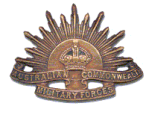
John Madigan was born at Irvinebank, Queensland, on the 1st November 1882 to Thomas and Ellen (Mary) Madigan, nee Delaney. Nothing is known of his younger days except that he may have been living at Murwillumbah, New South Wales. He enlisted in the Australian Imperial Force at Brisbane, Queensland, on the 29th January 1917. His next of kin was first recorded as his Brother Martin Madigan, and this is crossed out, and a friend, David Mellick, replaces his brother. His occupation was recorded as a labourer, and he was 34 years of age. His enlistment papers show that he was once rejected for service because of eye trouble. He undertook his first medical exam at Murwillumbah on the 25th January 1917 and was passed fit by the Doctor. He travelled to Enoggera Army Camp, Brisbane, and signed his enlistment papers on the 29th January. He attended he medical examination on the 1st February and failed on the grounds that he had “Corneal Oparities both pupils”. John Madigan was discharged from the Australian Imperial Force on the 1st February 1917, medically unfit, with defective eyesight. No more is known of what became of John, except that he lived at Cabramaita Road, Mosman, Sydney, New South Wales, in the 1940s. He wrote a letter to Base Records dated 15th April 1940, addressed Cabramaita Road, Mosman, Sydney, suggesting changes to the Rejected Volunteers Badge. His death and place of burial are unknown at this stage.
Private, Martin Madgan, 5136, 49th Battalion.

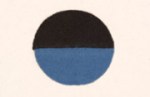
Martin Madigan was born at Irvinebank, Queensland, on the 9th November 1886 to Thomas and Ellen (Mary) Madigan, nee Delaney. Nothing is known of his early life until he enlisted in the Australian Imperial Force at Brisbane on the 30th December 1915, aged 29 years. His next of kin is given as his brother M. Madigan, Club Hotel, Winton, Queensland. His occupation is given as a Labourer and his address as Herberton. After some training, he was attached to the 9th Battalion, 16th reinforcement on the 4th March 1916. He embarked for overseas from Sydney, New South Wales aboard H.M.A.T. A16 “Star of Victoria” on the 31st March, disembarking at Port Said, Egypt on the 5th May. He was transferred to the 49th Battalion on the 20th May and embarked at Alexandria, Egypt on the 7th June, disembarking at Marseilles, France on the 14th June. The 49th Battalion fought its first major battle at Mouquet Farm and suffered in the assault on the 3rd September. Martin was wounded in action with a wound to the abdomen/chest area on the 3rd September and admitted to the 3rd General Hospital at Rouen on the 5th September. He was evacuated to England the next day and admitted to the 1st Southern General Hospital at Birmingham. After he recovered, he returned to France in December and rejoined his battalion in the field on the 20th of December. On the 7th July 1917, he temporarily transferred to the 41st Battery, returning to the 49th Battalion on the 13th July. The 49th Battalion moved to the Ypres sector, Belgium, and fought in the battle of Messines and Polygon Wood. Martin was wounded in action on the 19th October with wounds to his head and left hand. He was sent to England and admitted to hospital on the 3rd November and discharged to No.3 Command Depot, waiting for return to Australia for medical discharge. His Medical report dated 23rd January 1918 stated that he was ” unable to open the jaws more than half an inch (12 mm) and he is unlikely to improve. He is suffering from the result of a gunshot in the left Condyle”. (The muscle that allows for movement of the lower jaw during chewing and speaking). Martin returned to Australia aboard the ” Field Marshall”, disembarking at Melbourne, Victoria on the 22nd May. Private Martin Madigan was discharged from the Australian Imperial Force at Brisbane, Queensland, on the 22nd March 1919. Martin married Margaret May Corcoran on the 24th October 1922. Margaret died 2 days after giving birth to their daughter in 1923. Martin then married Jessie Mary McEwan on the 30th June 1931. Martin Joseph Madigan died at Murgon, Queensland, and is buried at the Murgon Cemetery, Murgon, Queensland.
Private, Charles Leo Maher, 1517, 15th Battalion, 3rd Reinforcement.

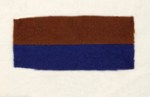
Charles Leo Maher was born at Irvinebank, Queensland on the 23rd July 1894 to James and Maria Maher nee McDonnell. He may have attended Herberton State school before working with Queensland Rail as an engine fireman. He enlisted in the Australian Imperial Force at Cairns, Queensland on the 29th December 1914 aged 20 years. His next of kin is giver as his sister Miss. Maggie Maher, Herberton, N.Q. and his occupation as a Locomotive Fireman. He embarked from Brisbane, Queensland with the 15th Battalion, 3rd reinforcement aboard H.M.A.T. A49 “Seang Choon” on the 13th February 1915. On the voyage over, when the ship was at Colombo, Ceylon, Charles was charged on the 10th October with” Using ships boat without permission” he was fined 7 shillings and 6 pence. After training in Egypt, he embarked with the 15th Battalion for the Island of Lemnos to prepare for the landing on Gallipoli on the 25th April. The 15th Battalion landed on Anzac late in the afternoon on the 25th. Private Charles Leo Maher was killed in action on the 26th April 1915. His sister was official notified by letter dated 31st March 1916, confirming his death. She received her brother’s memorial scroll and Kings message on the 14th August 1921, Victory Medal on the 9th October 1922 and memorial plaque on the 12th October 1922. On the 13th April 1923 she received a letter informing her that her brother’s body had been exhumed and re-interred at Quinn’s Post Cemetery, Gallipoli, Turkey. In 1969, being the closest relative alive Charles cousin, Mary applied for his Gallipoli Medal.
Lieutenant, Alexander Leahy McIntyre, 12th Company Field Engineers.

Alexander Leahy McIntyre was born at Irvinebank, Queensland, on the 22nd January 1893 to James and Ellen McIntyre, nee Leahy. He attended Irvinebank State school from 1897 to 1906, and in his senior years, he attended Nudgee College, Brisbane, Queensland. He was a member of the college’s Senior Cadets and from 1908-09 was Sergeant, from 1909 to 1910 Lieutenant. He then attended Queensland University for 4 or 5 years studying Civil Engineering. Alexander enlisted in the Australian Imperial Force at Brisbane, Queensland, on the 31st January 1916. He was sent to the No. 11 Depot Battalion on the 16th February 1916 and then to Corporals school on the 8th June, becoming a Provisional Sergeant. He reverted to Private and was sent to the 5/4 Pioneer Engineer reinforcements. Alexander was then sent to Engineer Officers Training School and was acting Corporal from 30th June until 22nd September and then as acting Sergeant from 22nd September to the 9th December. He was commissioned as a 2nd lieutenant at the Engineers Depot, Sydney, New South Wales, on the 15th January 1917. Alexander embarked from Sydney, New South Wales aboard H.M.A.T. A74 “Marathon” on the 10th May 1917, disembarking at Devonport, England on the 20th July. He was sent to No.193 Details camp, Engineers training Depot, and embarked for France on the 5th October to 4th Division, 12th Field Company. He was promoted to full Lieutenant on the 14th January 1918. He was granted leave to England from the 25th July to 10th August and returned to France. Alexander had only been back in France a few days when the news came that he had been accepted into No.1 School of Military Aeronautics for training as a pilot and his transferred to the Australian Flying Corps. He embarked for England on the 15th August and on his return sat for the examination for commission in the Royal Air Force. On the 4th December 1918, he joined No.8 Training Squadron of the Australian Flying Corps. He was granted leave from 19th March to the 19th September 1919 with pay to work for the Cleveland Bridge and Engineering Company. It is not known if Alexander became a pilot. He embarked for Australia aboard H.T. “Nestor” on the 1st November 1919. Lieutenant Alexander Leahy McIntyre’s commission in the Australian Imperial Force was terminated at Brisbane, Queensland, on the 24th January 1920, but he remained a reserve officer until resigning on the 31st July 1925. He passed away in England on the 10th April 1951 and is buried in Darlington, Durham, England.
2nd Lieutenant, William Wilson McKinnon, 7th Queensland Reinforcement.

William Wilson McKinnon was born at Irvinebank, Queensland, on the 14th August 1893 to Robert and Martha McKinnon, nee Arbouin. He attended Irvinebank State School from 1898 to 1906. He worked as a clerk for Cummings and Campbell Ltd., Townsville, and had been serving in the local citizens’ force for over 6 years. William sat for examination for a commission as a 2nd Lieutenant in the Australian Imperial Force on the 5th July 1917, which was gazetted on the 29th August 1918. He enlisted on the 9th October 1918, giving his occupation as a clerk, his next of kin as his mother, Mrs. M.I. McKinnon, Mosman, Sydney, New South Wales, his address is recorded as Townsville, Queensland, and his age as 25 years. He embarked with the Queensland 7th Reinforcement aboard S.S. “Wyreema” from Sydney, New South Wales on the 14th October 1918. With the armistice signed on the 11th November, the “Wyreema” was ordered to return to Australia and disembarked its troops at Melbourne, Victoria on the 21st December 1918. 2nd Lieutenant William Wilson McKinnon’s appointment in the Australian Imperial Force was terminated at Brisbane, Queensland, on the 13th January 1919. He married Eileen Mary Wright on the 15th October 1923. In the 1940’s he was living at Enmore, New South Wales, and returned to North Queensland, where he died at Cairns, Queensland on the 4th September 1976 and is buried at the Cairns Cemetery, Cairns, Queensland.
Gunner, Patrick Joseph McNamara, 1595, 13th Field Artillery Brigade.
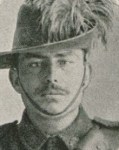
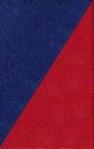
Patrick Joseph McNamara was born at Irvinebank, Queensland, on the 21st March 1887 to Patrick and Mary McNamara, nee O’Dogherty. Nothing is known of his younger days, but as a young man, he worked as a stockman in the Richmond area of Queensland. Patrick enlisted in the Australian Imperial Force at Brisbane, Queensland, on the 13th August 1915. His next of kin is recorded as his father, Patrick McNamara, Molloy, Cairns, Queensland, his occupation is given as a stockman, and his address as Richmond, North Queensland. After some training, he embarked with the 5th Light Horse Regiment, 12th reinforcement aboard H.M.A.T. A 23 “Suffolk” from Sydney, New South Wales, aged 28 years. He disembarked in Egypt and joined the 5th Light Horse Regiment at Maadi on the 8th January 1916. On the 16th February, he was admitted to the No.4 Australian Auxiliary hospital at Abbassia with Mumps and discharged to the 2nd Reserve Regiment at Maadi on the 1st March. On the 27th March, he transferred to the 13th Field Artillery Brigade, 49th Battery and was promoted to Mustered Driver on the 2nd April. The 49th Field Artillery Battery embarked from Alexandria, Egypt aboard the “Rhesus” on the 16th June, disembarking at Marsailles, France on the 24th June. The 49th Battery as a part of the 13th Field Artillery Brigade was in action at Fromelles in July, the Somme in October, Hindenburg Line in March 1917, 2nd Battle of Bullecourt in May. Patrick was granted leave from 22nd August to 6th September 1917 and reverted to Gunner at his own request on the 18th January 1918. He was attached to the Australian General Base Depot, France, on the 4th August and embarked for England and hospitalised with Bronchitis on the 19th August. He was again admitted to hospital on the 27th October and diagnosed with Effort Syndrome (Physical Incapacity) and then sent to No 2 Command Depot, waiting for return to Australia. Patrick embarked from England aboard H.T. “Gaika” on the 8th November, disembarking at Melbourne, Victoria on the 29th December. Gunner Patrick Joseph McNamara was discharged from the Australian Imperial Force (Invalid) at Brisbane, Queensland, on the 15th February 1919. Patrick returned to North Queensland, where he died at Mt Molloy on the 5th March 1939. He is buried in the Mt Molloy Cemetery, Mt Molloy, Queensland.
Driver, John Joseph Owens, 4574.
Private, Daniel Herbert Robertson, 2147, 41st Battalion.
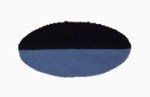
Daniel Herbert Robertson was born in Irvinebank, Queensland, in 1898. His father’s name is not known, and his mother’s name was Janet. As a young man, he worked in the Winton area of Queensland as a Stockman. He enlisted in the Australian Imperial Force at Townsville, Queensland, on the 17th April 1916, aged 18 years. His next of kin is recorded as his mother, Mrs. Janet Brown, Mareeba, Queensland, and his occupation as a Stockman. After some training, he embarked aboard H.M.A.T. A46 “Clan MacGillivary” from Brisbane, Queensland, disembarking at Plymouth, England on the 2nd November 1916. On the voyage over, he was charged on the 24th October with ” at sea threatening language to an N.C.O. and awarded 2 days detention. On the 7th October, he was charged with ” absent without leave and absent city piquet.” he was awarded 5 days confined to barracks and 2 days pay. Daniel was transferred to the 3rd Pioneer Battalion on the 22nd November and embarked for France on the 24th November. He was admitted to hospital at St.Omer with Mumps on the 27th February 1917 and discharged to rejoin his unit on the 20th March. He was wounded in action with a slight wound to his hand on the 10th May and rejoined his unit in the field on the 17th May. A few days later, on the 22nd May, he was transferred back to the 41st Battalion. He was admitted to hospital with Pneumonia on the 23rd June and then transferred to the 7th Canadian General Hospital at Etaples on the 28th June, being discharged to the Australian Division Base Depot on the 7th July. On the 14th July, he was sent to the Central Training School at Rouelles and rejoined his battalion in the field on the 29th September. The 41st Battalion was about to take part in what became known as the 3rd Battle of Ypres, it was here that Private Daniel Herbert Robertson was killed in action on the 16th October 1917. He was buried at Potijze, Burial Ground Cemetery, Ypres, Belgium.
Private, John Simpson Stuart, 2641, 47th Battalion, 8th Reinforcement.

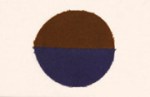
John Simpson Stuart was born at Irvinebank, Queensland, on the 3rd October 1891 to Walter and Jane Stuart, nee Stewart. He attended Irvinebank State School from 1897 to 1898 when the family moved away from Irvinebank. Nothing is known of his young life before he enlisted in the Australian Imperial Force at Brisbane, Queensland, on the 29th May 1915, aged 23 years. His next of kin is recorded as his mother, Mrs. Jane Frances Stuart, Bowen Hills, Brisbane, Queensland; his occupation is given as a farmer and his address as Bowen Hills, Brisbane. After some training, he embarked aboard H.M.A.T. A55 “Kyarra” from Brisbane on the 16th August 1915. He disembarked in Egypt and embarked from Alexandria for the Island of Lemnos on the 18th October. On the 25th October, Mumps broke out among the 7th and 8th reinforcements, and all the men were quarantined. They landed on Gallipoli and joined the 15th Battalion on the 2nd November. After the withdrawal from Gallipoli to the Island of Lemnos, an advance party of 100 men, including John, sailed on the “Ionian” for Egypt. After Christmas, the party proceeded to Ismailia to erect tents and set up camp for the rest of the battalion. John was admitted to hospital in Ismailia on the 10th January 1916 with Rheumatism and then transferred to the No. 1 Australian General Hospital at Heliopolis and was discharged to Duty on the 15th January. He was charged with being “absent without leave” on the 24th February and awarded 7 days C.B. (Confined to barracks) and 4 days pay. He was transferred to the 47th Battalion on the 3rd March. On the 11th March he was charged with “insubordination in that when told to fall in by N.C.O. he told him to go fuck yourself ” he was awarded 10 days F. P. (field punishment ) and 10 days pay. John was admitted to hospital at Ismailia with sore feet on the 29th March, discharged to duty on the 30th March, and promoted to Driver on the 1st May. He embarked aboard the ”Caledonia” with the 47th Battalion from Alexandria, Egypt, for France on the 2nd June, disembarking at Marseilles on the 9th June. The 47th Battalion was involved in the fighting at Pozieres, July/September 1916, and Bullecourt, May 1917. The Battalion then moved to Belgium and took part in the battle at Messines, June 1917, Passchendaele, October 1917, and Dernancourt, March/April 1918. John was transferred to the 48th Battalion on the 28th May 1918 as the 47th Battalion was to be disbanded on the 31st May. He was temporarily transferred to the 4th Division Train on the 28th May, returning to the 48th Battalion on the 13th October 1918. With the end of the war, John returned to Australia from Davenport, England aboard H.T. “China” on the 1st May 1919, disembarking in Sydney, New South Wales on the 8th June. Driver John Simpson Stuart was discharged from the Australian Imperial Force at Brisbane, Queensland, on the 4th August 1919. We know nothing of his life after his discharge except that he died on the 10th August 1956 in Queensland.
Private, Albert John Thomson, 198, 26th Battalion.
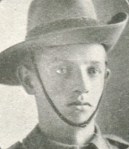

Albert John Thomson was born at Irvinebank, Queensland, on the 12th November 1896 to James and Hannah Thomson nee Martin. Nothing is known of his younger days except that as a young man he worked as a labourer. Albert enlisted in the Australian Imperial Force on the 17th February 1915 at Atherton, Queensland. His father had given his son permission to enlist. After a few months of training, Albert embarked from Brisbane, Queensland with the 26th Battalion, aboard H.M.A.T. A11 “Ascanius” on the 24th May 1915, with the troops disembarking in Egypt. The 26th Battalion embarked for Gallipoli, Turkey from Alexandria on the 4th September and after the withdrawal from Gallipoli they returned to Alexandria on the 9th January 1916. The Battalion was on the move again. This time they embarked for France from Alexandria on the 21st March, disembarking at Marseilles. The Battalion moved to Belgium where Albert was wounded in the right arm and right leg on the 6th July. He was initially treated in France before being sent to England aboard H.S. “Cambria” and admitted to Harefield hospital on the 24th July. He was discharged to the No. 1 Command depot on the 8th August and transferred to the 7th training battalion on the 26th August. Albert was charged with “overstaying his leave” by 14 days on the 7th November and was awarded 14 days’ detention and fined 28 days’ pay. He embarked for France aboard S.S. “Victoria” on the 13th December and was admitted into isolation at 18th General hospital on the 20th December. He was discharged on the 4th February 1917 and rejoined his battalion the next day. On the 7th November, Albert was charged with “overstaying leave” by 14 days. He was awarded 7 days detention and forfeited 28 days’ pay. On the 26th June he was sent to the Divisional Bomb school and rejoined his battalion on the 1st July. He was charged with being AWL for 11 hours on the 4th August and awarded 7 days Field Punishment No.2 and 8 days pay. The 26th Battalion had moved to Belgium and Albert was granted leave to England from 11th January 1918 to 29th January. He was then sent back to Bomb school on the 10th March, rejoining his battalion on the 23rd March. He was admitted to hospital with Scabies on the 24th March, rejoining his battalion on the 31st March. The battalion had moved to France when, on the 10th April, Albert was wounded in action with a wound to his right leg during the German Spring offensive. He was sent to England aboard H.S. “Western” and admitted to the 5th Southern hospital with a severe leg wound. After several months in hospital, he was transferred to the 3rd Australian Auxiliary hospital on the 15th July. He was given leave from the 17th July to the 31st July and then to report to the No.4 Command deport. Albert was arrested and faced a Court Martial for being AWL from the 31st July until he was apprehended by the Military Police on the 2nd October. He also faced a charge for ”Conduct to the prejudice of good order and military discipline in that he made use of a document purporting to be a genuine pass in which the dates had been improperly altered”. He pleaded guilty and was given 6 months jail. A few days after he was arrested, he was admitted to the 1st Australian Dermatological hospital at Bulford with V.D. On the 7th January 1919, his sentence was remitted, and he was released from prison. On the 4th April, he was admitted to the 1st Australian General hospital with Influenza. Private Albert John Thomson died on the 15th February 1919, a few days before he was due to return to Australia. He was buried at St. John the Evangelist Church, Sutton Veny, England with full Military Honours. With his father’s death, Albert’s sister received her brother’s effects on the 3rd September 1920 and Albert’s older brother received his Memorial Scroll and King’s Message on the 27th January 1922 and his Victory Medals on the 15th January 1923. On the 11th April 1967, his brother made an application for his Anzac Commemorative Medals.
Private, Sydney James Thomson, Unallotted Light Horse.

Sydney James Thomson was born at Irvinebank, Queensland, in 1894 to James and Hannah Thomson nee Martin. Sometime after his birth, the family moved to the Atherton Tablelands. Nothing is known of his younger life, except as a young man he worked as a stock man. He enlisted in the Australian Imperial Force at Cairns, Queensland on the 25th February 1915. His next of kin was recorded as his father, James Thomson, Atherton, North Queensland. His occupation is given as a Stockman and he was aged 21 years. He was sent to Enoggera Army camp for training and allotted to the Light Horse. After training, he was given leave and returned to Atherton, where his mother had died on the 11th June 1915. His father was left with 5 young children to care for. He wrote a letter to the Commandant of Enoggera Army camp requesting that his son be discharged so he could help with his younger siblings. His older brother, Albert John, had already enlisted and was serving overseas. Sydney also wrote a letter requesting a discharge on the same grounds. Private Sydney John Thomson was discharged from the Australian Imperial Force on the 19th July 1915. Sadly, their father, James, died in 1916, leaving Sydney to care for his family. He married Amy Phillis Newton on the 21st February 1928 and 2 children are known to their marriage. Sydney James Thomson passed away at Atherton, Queensland on the 6th September 1979 and was buried in Atherton Cemetery.
Sergeant, William Thomson Waddell, 1768 25th Battalion, 2nd Reinforcement.
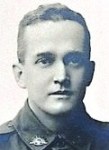
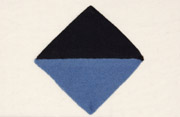
William Thomson Waddell was born at Irvinebank, Queensland, on the 20th September 1890 to Allan and Margaret Waddell nee Thomson. He attended Irvinebank State School from 1896 to 1904. As a young man, he served 5 years as an apprentice with the Irvinebank Mining Company. He was a member of the Irvinebank Rifle Club and served in the Australian Naval and Military Expeditionary Force and sailed on the “Kanowna” for Thursday Island and New Guinea. He enlisted in the Australian Imperial Force at Brisbane, Queensland on the 4th June 1915. His next of kin is recorded as his father, Mr. A. Waddell, Auchenflower, Brisbane. His occupation is given as an engineer, and he was aged 24 years. He embarked from Sydney, New South Wales, with the 25th Battalion, 2nd reinforcement aboard H.M.A.T. A9 “Shropshire” on the 20th August 1915, disembarking in Egypt. The 25th Battalion was then sent to Gallipoli on the 12th October. It withdrew from Gallipoli on the 18th December to Lemnos Island and then embarked for Alexandria, Egypt on the 9th January 1916. The Battalion then embarked for France from Alexandria on the 14th March, disembarking at Marseilles, France on the 19th March. William was appointed Lance Corporal on the 7th May, a few months before the Battalion fought in the battle of Poziers in late July and early August. William was wounded in action with a wound to the right leg on the 29th July and sent to England aboard H.S. “Dieppe” from Calais. He was admitted to the 3rd General hospital, London, on the 2nd August and then sent to No. 4 Command Depot to recover. When he was fully recovered, he embarked for France aboard “Princess Henrietta”, rejoining his Battalion on the 23rd December. On the 25th January 1917, William was promoted to Corporal, then on the 14th March he was promoted to Lance Sergeant and then to full Sergeant on the 31st May. The 25th Battalion had moved into Belgium and taken part in the battle of Menin Road where, on the 18th August, William was again wounded in action. This time with a severe wound to his left leg and admitted to the 3rd General hospital. He was transferred to England aboard the “St Andrew” and admitted to the Middlesex War hospital. After he had recovered some, he was transferred to the 3rd Australian Auxiliary hospital at Dartford on the 19th December and was discharged to No. 3 Command Depot on the 28th December. After full recovery, William embarked for France on the 9th April 1918 and rejoined his Battalion on the 19th April. The 25th Battalion had returned to France to take part in the fighting around the Somme. Private William Thomson Waddell was killed in action near the town of Peronne on the 2nd September 1918 and was buried in an “isolated grave, by the side of a trench, near barbwire in a shell hole, about 1 mile from Peronne”. Williams’ mother received her son’s effects on the 10th March 1919. His father received a letter dated 9th January 1920 informing him that his son’s remains had been exhumed and re-interned in the Peronne Communal Cemetery Extension, Picardie, France. Williams’ father received his son’s Memorial Scroll and Kings Message on the 13th September 1921, Memorial Plaque on the 28th November 1922 and Victory Medal on the 10th January 1923.
Private, Edward Richard Martin Winkworth, 3710, 52nd Battalion, 10th Reinforcement.
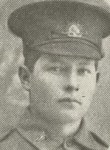

Edward Richard Martin Winkworth was born at Irvinebank, Queensland on the 9th October 1899 to Thomas and Mary Winkworth nee Martin. He attended Irvinebank State school from 1905 to 1912. Sometime after this, the family moved to Brisbane and then back to Cairns were his father, a carpenter started the first joinery works in Cairns, T.W. Winkworth Joinery. Edward enlisted in the Australian Imperial Force at Brisbane, Queensland on the 15th June 1917. His age and date of birth on his enlistment papers indicate he was 18 years old, he was actually 17 years old. His father gave his permission for Edward to enlist by note dated 9th June 1917. His next of kin is recorded as his father Mr. Thomas William Winkworth, Brisbane and then Cairns and his occupation is given as a Ironmonger. While he was at training he was admitted to hospital on the 18th June with V.D. and discharged on the 23rd July. He embarked from Sydney, New South Wales with the 52nd Battalion, 10 reinforcement aboard H.M.A.T. A14 “Euripides” on the 31st October 1917, disembarking at Dover, England on the 26th December. He was sent to the 13th training battalion at Codford before being admitted to hospital at Sutton Veny on the 18th January 1918 and diagnosed with Measles, he remained in hospital until the 18th February. Edward embarked for France from Folkestone on the 15th April and was sent to the New Zealand Infantry Battalion Depot at Calais the next day. He joined the 52nd Battalion on the 21st April, where the Battalion was assisting in the fighting around Dernancourt against the largest German attack against Australian Troops. Edward was blown up twice and buried twice by German shell fire. He had to be dug out, put carried on until he was relived and admitted to hospital on the 26th April with “Shell Shock”. He was discharged from hospital on the 10th May and rejoined his battalion. The 52nd battalion was disbanded on the 16th May and Edward was transferred to the 49th Battalion. Edward faced a Court Martial on the 20th August for “deserting his Majesty Services from 14th August until surrendering himself on the 16th August. He was found Guilty and sentence to 7 years Jail. After spending a few weeks in jail his sentence was suspended, and he rejoined his battalion on the 4th September. He was admitted to hospital on the 7th September for an unknown illness and rejoined his unit in the field on the 9th January 1919. He was transferred to the 4th Division Train on the 12th January and appointed Driver. He was given leave to England from the 25th January to the 8th February, rejoining his battalion in France on the 13th February and reverting back to private on the 23rd April. Edward was admitted to the Australian Dermatological hospital at Bullford with V.D. on the 15th June and discharged on the 1st September 1919. He embarked England for return to Australia on the 8th September, disembarking at Sydney, New South Wales on the 29th October. Private Edward Richard Martin Winkworth was discharged from the Australian Imperial Force at Brisbane, Queensland on the 30th November 1919. He returned to North Queensland and took up work with his father’s company, eventually becoming a director of the company. He married Mary Ellen Barry on the 19th October 1927 and 4 children are known to their marriage. He was keen footballer and was involved with the Cairns Aquatic club. He became ill and was sent to the General hospital in Brisbane where he died on the 11th October 1953 aged 54 years. Edwards body was returned to Cairns for a funeral service at St Johns Church and burial at the Cairns cemetery.


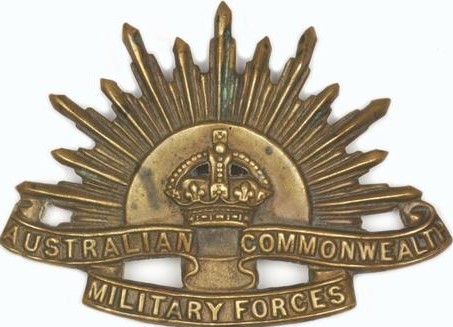

Watsonville.

Names on the Watsonville Roll of Honour.
Trooper, Robert James Bell, 3204, Camel Corps.
Robert James Bell was born at Watsonville, Queensland in 1886. At some stage in his life, he moved to Western Australia where, on the 28th February 1917, aged 28 years, he enlisted as a private in the Australian Imperial Force. His next of kin is recorded as his wife, Mrs. Mary Ellen Bell of Perth, Western Australia and his occupation is given as a Lamp Lighter. After training, he was attached as a trooper to the Light Horse and then, on the 16th April, as a trooper to the Camel Corps. He embarked from Fremantle, Western Australia on the 19th May 1917 on the ship “Port Sydney”, disembarking at Suez, Egypt on the 20th June 1917. He was attached to the 1st Imperial Camel Corps in Abbassia on the 16th July 1917 and then to No.4 battalion on the 23rd August. He was moved around between the 18th Company and Battalion Headquarters before he became sick and was admitted to the No. 4 Australian General Hospital, Port Said on the 11th May 1918. After many tests and examinations, he was diagnosed with Pleurisy and then Neurasthenia (a condition of physical and mental exhaustion). He was discharged to duty on the 4th August 1918. After his discharge from hospital, he was posted to the Australian Headquarters, war records section. Robert was again admitted to hospital on the 19th November, where he was diagnosed with malaria. After his discharge from hospital, he was posted to the 15th Light Horse depot and was admitted back into hospital on the 22nd February 1919. Robert embarked from Port Said, Egypt aboard “Khyber” for Australia on the 10th April 1919, disembarking at Perth, Western Australia on the 3rd May 1919. Trooper Robert James Bell was discharged from the Australian Imperial Force at Perth, Western Australia on the 23rd August 1919. Robert married Mary Ellen Loynd at Kalgoorlie, Western Australia in 1912 and 4 children are known to their marriage. Robert James Bell died on the 13th February 1946 and is buried at the Karrakatta Cemetery, Nedlands City, Western Australia. His death was attributed to his war service.
Private, Henry Clifton Bente, 3271, 41st Battalion, 8th Reinforcement.
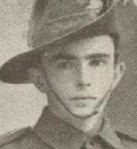
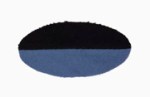
Henry Clifton Bente was born at Preston, Victoria in October 1898 to Henry and Sarah Jane Bente nee Morrison and attended Watsonville State School. With his parents’ consent, he enlisted in the Australian Imperial Force at Cairns, Queensland on the 1st May 1917, aged 18 years. His next of kin is recorded as Mrs. Sarah Bente, Post Office, Watsonville, North Queensland and his address as Post Office, Watsonville, via Herberton, North Queensland. As part of the 41st Battalion, 8th Reinforcements, Henry embarked from Sydney, New South Wales aboard H.M.A.T. A20 “Hororate” on the 14th June 1917 and disembarked at Liverpool, England on the 26th August. He was admitted to Parkhouse Military Hospital on the 2nd September 1917 with mumps. He was discharged to duty on the 22nd September and sent to the 9th training Battalion. He proceeded overseas to France from Southampton on the 1st January 1918 where he was sent to the Australian Infantry Base Depot at Rouelles and then joined the 41st Battalion in the field on the 8th August. Henry was wounded in action with a shell wound to the right buttock on the 24th April 1918 and was sent to the 4th casualty clearing station. On the 29th April, he was sent to the 1st U.S.A. general hospital at Etertat, where he died of his wounds on the same day. Private Henry Clifton Bente was buried at Etretat Churchyard Extension, Etret, Le Havre, Haute-Normandie, France. A letter dated 28th August 1919 from his mother requesting her son’s personal effects was sent to Base Records Melbourne. A reply came on the 10th September stating that – “I have to inform you one package of personal effects of your son, the late No. 3271 Private H.C. Bente 41st battalion, containing articles as enumerated on the attached inventory, was included in a consignment shipped from England per SS ‘Barunga”, which vessel was lost at sea, with all cargo, as a result of enemy action”
2nd Lieutenant, William Abercrombie Brooks, 113, 15th Battalion.

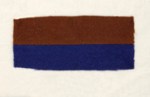
William Abercrombie Brooks is originally from Belturbet, County Caven, Ireland. William was born in September 1883 to John and Mary Brooks nee Atkinson and was working as a miner in the Irvinebank/Watsonville area at the time of his enlistment. William was a member of the Watsonville and Irvinebank rifle clubs and served with the Kennedy Regiment for 5 years. He volunteered for the Australian Naval and Military Expeditionary Force and embarked aboard the “Kanowna” from Cairns on the 8th August 1914 for garrison duty on Thursday Island. He then volunteered for overseas service on the 14th August and embarked from Thursday Island aboard the “Kanowna” for Port Moresby on the 16th August. On his return, he enlisted in the Australian Imperial Force at Townsville, Queensland on 16th September 1914, aged 27 years. His next of kin is given as Mrs Jane Langland of Atherton, Queensland. William was promoted to Colour Sergeant on 17th September 1914. He embarked with the 15th Battalion from Melbourne, Victoria on 22nd December 1914 aboard H.M.T.A. A40 “Ceramic”, disembarking at Egypt. The 15th Battalion proceeded to the Island of Lemnos to prepare for the landing at Gallipoli on the 25th April. On the second day after the landing at Anzac Cove, Gallipoli, William was wounded in action with a wound to the calf, and transported to hospital at Alexandra, Egypt. He was transferred to England on His Majesty’s Hospital Ship “Nevasa” four days later and admitted to the 2nd Western General Hospital, Manchester, England. Some time during his stay in hospital William posted a letter dated 24th May 1915 back to his friends at Irvinebank. “Up till 10.00 we had lost one and four wounded, and then I must go and get in the way of a bullet, which carved a hole in my left calf and finished my career for some time to come, as the bullet instead of behaving as a good natural bullet should, turned a couple of somersaults in my calf before it came out, though it fortunately missed my bone” The Doctors were going to remove his leg, but decided to try and save it. His leg healed and he re-joined his unit at Gallipoli. William was admitted to hospital on 29th December 1915, this time for Typhoid/Enteric. He was taken off the danger list on 1st January 1916 and transferred to No.1 Australian General Hospital, Heliopolis, Egypt. On 20th January 1916 he was promoted to 2nd Lieutenant. On 9th February 1916, William was again hospitalised for typhoid and placed on the dangerously ill list. At 1.20 pm on 2nd March 1916, 2nd Lieutenant William Abercrombie Brooks died of Typhoid/Enteric and was buried at the old Cairo Cemetery, Cairo, Egypt.
(William Abercrombie Brooks is also on the Irvinebank Roll of Honour.)
Private, Henry George Bradshaw, 383, 11th Light Trench Mortar Battery.
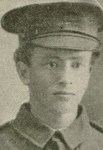

Henry Graham Bradshaw was born on the 6th December 1895 at Watsonville, Queensland to Henry and Margaret Bradshaw nee Arbouin. Henry’s mother died in 1898 and his father moved to Irvinebank some time around 1903 as Henry attended Irvinebank State School from 1904 to 1909. He worked as a miner in the Irvinebank/Watsonville area and his father died at Irvinebank in 1912. Henry was a member of the Irvinebank Rifle Club and volunteered for the Australian Naval and Military Expeditionary Force that sailed from Cairns on the 9th August 1914 aboard the “Kanowna” for Thursday Island, where he served for 6 months. He was one of a group of men on a special train that left Irvinebank to enlist in Cairns. A special train passed through Stannary Hills from Irvinebank gaily decorated with the flags of Liberty. Stannary Hills railway platform was crowded with people anxious to do honour to the brave boys”. Henry enlisted in the Australian Imperial Force at Cairns, Queensland on the 10th November 1915, aged 19 years. He embarked with the 41st Battalion from Sydney, New South Wales on H.M.A.T. A64 “Demosthenes” on the 18th May 1916, disembarking at Pylmouth, England on the 20th July 1916. On the voyage over, Henry was AWL and charged with “Whilst on active service breaking away from quarters” he forfeited 20 days’ pay. Henry was in trouble again, being AWL for 2 days from the 14th August to the 16th August. He was awarded 14 days confined to barracks and a forfeit of 7 days’ pay. On the 22nd August, Henry was transferred to the 11th Trench Mortar Battery. On the 22nd September, he was charged with being AWL” disobeying of standing orders in that he was absent in Andover without a pass”. He was awarded 3 days field punishment with hard labour. Henry was charged again on the 14th November with being AWL for 8 days, and he forfeited 16 days’ pay. Henry and the 11th Light Trench Mortar Battery proceeded to France on the 23rd November 1916. He was wounded in action with a wound to the right shoulder on the 11th July 1917 and admitted to hospital in Rouen. After treatment, he was moved to a Convalescent Depot on the 26th July. On the 1st August, Henry was charged with “while on active service, drunkenness”. This time he was awarded 14 days field punishment No. 2 (locked up). After being discharged from the compound, he rejoined his unit in the field on the 25th August. On the 8th September, Henry was charged with being AWL for 1 day. He was awarded 5 days field punishment No. 2 (locked up) and forfeited 7 days’ pay. After he had rejoined his unit, he was wounded in action by a shell wound to the left leg. He was sent to hospital in the field and then proceeded to England on the 21st October 1917. After he recovered, he was granted leave from the 4th January 1918 to 18th January 1918. He embarked for Rouelles, France on the 2nd March and rejoined his unit on the 10th March. He was admitted to hospital with V.D. on the 11th March and discharged on the 12th April, rejoining his unit on the 26th April. He was admitted to hospital in the field on the 8th July with Influenza and discharged on the 12th July. Henry was wounded in action with a small wound to his face and was admitted to hospital in the field on the 22nd August and discharged on the same day. On the 1st September 1918, Henry was wounded in action with a wound to his head. He died of his wound on the same day. Private Henry Graham Bradshaw was 22 years old. He was buried at the Suzanne Communal Cemetery Extension, Suzanne, Picardie, France.
(Henry Graham Bradshaw is also on the Irvinebank Roll of Honour.)
Private, Henry Edward Carthew, 292, 4th Battalion.


Henry Edward Carthew was born at Watsonville, Queensland on the 17th March 1885.He attended Watsonville State school and was apprentice to John Mazlin, builder of Atherton, Queensland. He married Annie Martha Laura Mazlin on the 17th July 1909 and 2 children are known from this marriage. Henry enlisted in the Australian Imperial Force at Randwick, New South Wales on the 17th March 1914, aged 27 years. His next of kin is recorded as his father, J.J. Carthew, South Brisbane, his occupation as a carpenter and his address as Darlinghurst, New South Wales. As a member of the 4th Battalion he embarked from Sydney, New South Wales aboard H.M.A.T. A14 “Euripides” on the 20th September 1914 and disembarked at Alexandria, Egypt on the 3rd December 1914. After training, the battalion embarked for the Island of Lemnos to prepare for the landing at Gallipoli on the 25th April. The 4th Battalion, as a part of the 1st Brigade, landed at Anzac Cove in the second and third waves of the landing. Their first job was to defence of the beach head that had been established at Anzac Cove. In August, the 1st Brigade (1st,2nd,3rd,4th Battalions) led the charge at Lone Pine. Henry was wounded in action with a severe wound to the right arm. He was transported to the 15th General Hospital at Alexandria, Egypt on the 11th August 1915 for treatment and then transported to England on the 15th August. On the 26th August he was admitted to the Military Hospital at Lewisham for more treatment. His mother complained by letter dated 7th September 1915 that she was not being kept informed about the condition of her son. Henry was invalided back to Australia on the 12th December 1915, embarking on the ship “Star of England” from Portland. He disembarked at Sydney, New South Wales on the 29th January 1916. Private Henry Edward Carthew was discharged from the Australian Imperial Force at Sydney, New South Wales on the 29th August 1916. Henry Edward Carthew died at Sydney, New South Wales, on the 12th November 1955, aged 70 years.
Private, Thomas Joseph Courtney, 307, 9th Battalion.
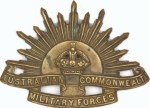
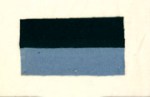
Thomas Joseph Courtney was born on the 4th July 1895 at Watsonville, Queensland to Daniel and Maud Courtney nee Slack. Thomas’s father was a school teacher and moved around teaching at different schools. Thomas had been a member of the 8th Infantry at South Brisbane, Queensland, when he enlisted in the Australian Imperial Force at Enoggera, Brisbane on the 20th August 1914, aged 19 years. He had served some form of apprenticeship at a Government State Farm. His next of kin is recorded as his father, Dan Courtney, Tallegalla, Rosewood, Queensland and his occupation was given as an engine cleaner. He was attached to the 9th Battalion and, after some training, embarked from Brisbane, Queensland aboard H.M.A.T. A5 “Omrah” on the 24th September 1914 and disembarked in Egypt on the 2nd December 1915. The Battalion then moved to the Island of Lemnos to prepare for the landing at Gallipoli on the 25th April. The 9th Battalion was one of the first battalions to land in the early morning on the 25th. Private Thomas Joseph Courtney was killed in action on the 2nd May 1915 at Gaba Tepe, Gallipoli and was buried at Plugges Plateau Cemetery. The army informed Thomas’s father of where Thomas was killed and where he was buried. His father had heard other stories about his son’s death and wrote Base records requesting more information. Base records replied on the 4th April 1916 stating, “as far as they know, the information on his son’s death was correct”. The only possession of their son that was returned to his parents was a “Disc” and a “Crucifix”. His parents applied for a pension but were rejected by letter dated 15th September 1916 on the grounds that they were “not dependent on the deceased member”. Dan and Maud Courtney received their son’s Memorial plaque and King’s message on the 27th January 1922.
Private, Claude Arthur Daniel, 741 15th Battalion.

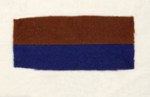
Claude Arthur Daniel was born at Watsonville, Queensland on the 18th December 1894, the sixth child of 7 to Edward and Catherine Daniel nee Newbigging. At some time, the family moved to Kaban, Queensland. Claude enlisted in the Australian Imperial Force at Townsville, Queensland on the 5th October 1914, aged 19 years, the same date as his brother Leonard. His father gave his permission for Claude to enlist by note dated 3rd October 1914. His next of kin is recorded as his parents, Mr. and Mrs. E. Daniels, Kaban near Herberton, Queensland. His occupation was recorded as a labourer. Claude embarked with the 15th Battalion from Melbourne, Victoria aboard H.M.A.T. A40 “Ceramic” on the 22nd December 1914, disembarking at Alexandria, Egypt in early February 1915. The 15th Battalion proceeded to the Island of Lemnos on the 12th April to prepare for the landing at Gallipoli on the 25th April. The Battalion landed on the afternoon of the 25th April and the main work of the 15th Battalion between May and August was the defence of the front line at the Anzac beachhead. Private Claude Arthur Daniel was killed in action on the 3rd May 1915. His body was never recovered. His father received two parcels with his son’s personal effects, one in April with his Identity Disc and one in June with an empty purse. He wrote another letter, dated 12th June 1916, to Thomas Cook and Sons, Melbourne, who were responsible for the return of his son’s personal effects, stating ”he claimed to know from a reliable source that the purse was taken from his dead son and given to Lieutenant Armitage and the purse had 10 pounds or more in it” he also claimed that” it was a waste of money to send back the empty purse”. Claude’s father wrote a letter in August 1916 to the Defence Department requesting any more of his son’s effects (none were forthcoming). Claude’s parents received either their son’s Memorial Plaque or the King’s Message on the 13th August 1921 and the other on the 6th June 1922. Private Claude Arthur Daniel is commemorated at the Lone Pine Memorial and has no known grave.
Private, Leonard Lewis Daniel, 1316, 15th Battalion.
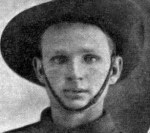

Leonard Lewis Daniel was born at Watsonville, Queensland on the 12th February 1893, the fifth child of 7 to Edward and Catherine Daniel nee Newbigging. At some stage, the family moved from Watsonville to Kaban, Queensland. Leonard enlisted at Townsville, Queensland on the 5th October 1914, aged 21 years. He enlisted at the same place and same date as his brother Claude. His next of kin is recorded as his father, Mr. E. Daniel, Berrybank, Sawmill, Kaban, North Queensland. After some training, Leonard embarked with the 15th Battalion 1st reinforcement from Melbourne, Victoria on board H.M.A.T. A35 “Berrima” on the 22nd December 1914, disembarking at Alexandria, Egypt in early February 1915. His military records give no reason for his early return to Australia other than Debility. (Physical Weakness as a result of illness). Research has shown that Leonard had an artificial leg. This may have been from an accident at his father’s sawmill after his return or, more than likely, the loss of his leg at Gallipoli. The 15th Battalion arrived in Egypt in early February 1915 and landed at Gallipoli on the afternoon of the 25th April. The Battalion was heavily involved in establishing and defending the front line from May to August. So Leonard would have been in the thick of it. The fact that his early return to Australia was authorised by proceedings of the medical board and the fact that he was granted a pension of 52 pounds per year indicate that this may be the case. He was invalid back to Australia from Suez, Egypt aboard “Ballarat” on the 5th July 1915, disembarking at Melbourne, Victoria on the 6th August 1915. Private Leonard Lewis Daniel was discharged from the Australian Imperial Force at Brisbane, Queensland on the 14th October 1915. Leonard was granted a pension of 52 pounds a year. This was increased by 3 pounds per fortnight on the 14th October 1915. Leonard Lewis Daniel died at Brisbane, Queensland on the 29th June 1966 and is buried at the Mount Thompson Memorial Gardens and Crematorium, Holland Park, Brisbane, Queensland.
Private, Roland Edgar Daniel, 3153, 49th Battalion, 8th Reinforcement.

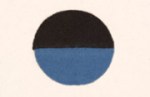
Roland Edgar Daniel was born at Evelyn, Queensland on the 20th June 1897, the seventh child of 7 to Edward and Catherine Daniel nee Newbigging. He had two brothers in the Australian Imperial Force, both born at Watsonville, Queensland. Roland enlisted in the Australian Imperial Force at Cairns, Queensland on the 26th July 1916, aged 19 years. His next of kin is recorded as his father, Edward Daniel, Berrybank Farm, via. Kaban, Queensland and his occupation is given as a Bullock Driver. Roland made an application on the 20th November 1916 to the District Paymaster to send 3 shillings out of his pay to his father at Kaban. Roland embarked for overseas with the 49th Battalion 8th reinforcement, aboard H.M.A.T. A64 “Demosthenes” from Sydney, New South Wales on the 23rd December 1916, disembarking at Plymouth, England on the 3rd March 1917. He was sent to the 13th training Battalion at Codford on the 4th March, and then he was admitted sick to Parkhouse Hospital on the 13th March, returning to the 13th training Battalion on the 30th March. Roland proceeded overseas to France from Southampton on the 14th June 1917 and joined the 49th Battalion from the Australian Divisional Base Depot in the field. On the 29th July he was sent to the 4th A. D. Bombing school of instruction, rejoining his Battalion on the 12th August. Roland was granted leave to England from the 13th August 1918 to the 1st September 1918. With the war over and the 49th Battalion about to be disbanded (9th May 1919), Roland was attached to the 4th Motor Transport Company waiting his turn to return to Australia. He embarked from England for Australia on the 15th June 1919, disembarking at Melbourne, Victoria on the 2nd August 1919. Private Roland Edgar Daniel was discharged from the Australian Imperial Force at Brisbane, Queensland on the 11th September 1919. He married Elizabeth Forrester on the 27th February 1923 and one child is known from their marriage. Roland became a bus driver/owner in Cairns. He made a claim for Repatriation Benefits on the 31st July 1962. Roland Edgar Daniel died at Cairns, Queensland on the 18th December 1979, aged 82 years. He was buried at the Martyn Street Cemetery, Cairns, Queensland.
Private, Percy Thomas Donnelly, 353, 25th Battalion.
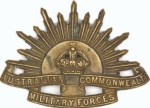

Percy Thomas Donnelly was born on the 6th March 1891 in Queensland to Thomas and Annie Donnelly nee O’Reilly. His first attestation papers dated 21st January 1915, state that he was born at Watsonville, Queensland, aged 24 years, occupation Clerk, and worked as a cabinetmaker for 6 months. His next of kin is given as his father, Thomas Donnelly, Courthouse Hotel, Cairns, Queensland. His second attestation papers dated 25th January 1915, state that he was born at Townsville, Queensland, aged 25 years, occupation labourer and worked as an apprentice blacksmith for Gelling Brothers, Cairns. His next of kin is given as his father, Thomas Donnelly, Abbott St. Cairns, Queensland. His Queensland birth registration gives his name as Thomas Percy. He enlisted in the Australian Imperial Force at Townsville, Queensland, on the 21st January 1915 and, after some training, he was assigned to the 25th Battalion. He was AWL from Enoggera camp from the 20th February to the 27th February and, as punishment, was fined 10 shillings. Thomas was again AWL from 30th April to the 2nd May and was put on detention. On the 7th May, he was found on prohibited premises – Alderly Hotel and charged with “Breaking away whilst on detention”. He embarked overseas from Brisbane, Queensland on H.M.A.T. A60 “Aeneas” on the 29th June 1915, disembarking at Egypt in August. He did not join the Mediterranean Expeditionary Force at Gallipoli as he was admitted to hospital with V.D. He was returned to Australia, embarking at Suez on the 31st August 1915 aboard A18 ‘Wiltshire”, disembarking at Melbourne, Victoria on the 25th September where he was sent to Venereal Diseases Hospital Langwarrin Camp for treatment. He was AWL from 21st November to 3rd December 1915 and charged with breaking away from camp from 4th December to the 6th January 1916. He was sent under escort to Liverpool, New South Wales to join the 3rd reinforcement of the 31st Battalion. He broke away en route on the 11th January 1916 and was found by the New South Wales Military Authorities at Belmore Park in a “filthy condition”. He wrote a letter trying to explain his actions dated the 11th January 1916, but the army had had enough. Private Percy Thomas Donnelly was discharged from the Australian Imperial Force at Liverpool, New South Wales on the 28th January 1916, “Services no longer required”. Because of his discharge and his record, he automatically forfeited his war medals. At this stage we can not positively identify his date of death or his place of burial.
Sergeant, Vincent Dougherty, 3592, 49th Battalion, 10th Reinforcement.
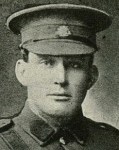
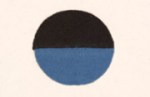
Vincent Dougherty was born at Watsonville, Queensland, on the 13th March 1894 to William and Elizabeth Dougherty nee Horgan. Little is known about his early life. His father walked out on Elizabeth sometime in 1912-13 and was never heard of again. Vincent served for four years in the Citizens Military Force and almost two years on the Instructional Staff. He enlisted in the Australian Imperial Force at Brisbane, Queensland on the 1st March 1917. After some training, he embarked from Sydney, New South Wales aboard H.M.A.T. A 7 “Medic” on the 1st August 1917 as part of the 49th Battalion 10th reinforcement. The ship sailed to Halifax, Nova Scotia, Canada, arriving on the 21st September 1917. The troops then transferred to the ship S.S. “Orissa”, which continued on to Liverpool, England with the troops disembarking on the 3rd October. Vincent was AWL from the 17th November to the 18th December when he was ordered by the Military Police to return to Camp. He was court-martialled and pleaded not guilty. The court found him guilty, and his sentence was reduced in rank to corporal. He forfeited 18 days’ pay and was under charge for 16 days. His sentence was remitted on the order of Brigadier General Cecil Henry Foott CB, CMG. After a couple of months at the 13th Training Battalion, he proceeded to France as a reinforcement for the 41st Battalion, embarking at Southampton on the 12th December 1917 and taken on strength in the field to the 41st Battalion on the 18th December. He was admitted to hospital in the field on the 2nd February 1918 with a strained thigh and stated that it was accidental, returning to his unit on the 28th February. He was again admitted to hospital for an unknown illness on the 2nd May and discharged on the 10th May. Vincent was wounded in Action, Gassed, on the 26th May and rejoined his unit on the 15th June. Sergeant Vincent Dougherty was killed in action – “Killed outright by shellfire in the attack at Hamel, France on the 8th August 1918, aged 24 years. His final resting place is Villers-Bretonneux Military Cemetery, Picardie, Villers-Bretonneux, France.
Private, William George Fraser, 6017, 15th Battalion, 19th Reinforcement.
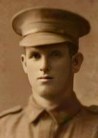
William George Fraser was born at Orient Camp, Queensland on the 20th January 1892 to George and Minnie Fraser nee Mathews. George attended Irvinebank State School from August 1898 to June 1905. His father had been working in Irvinebank as a blacksmith and moved his family to their new home and small tin battery at New Era near Bakerville to pursue tin mining. George learnt the art of tin dressing and, after some time, took a job as a tin dresser at the Bishops mill near Watsonville. He was also a member of the Watsonville Rifle Club. It was from Watsonville that George, John Grace and George Rowlands set off to Herberton to put their names down to enlist in the Australian Imperial Force. The three men were given a big send-off at the Watsonville School of Arts before they left for active service. George signed up with the Australian Imperial Force at Cairns, Queensland on the 22nd January 1916. After some training, he embarked with the 15th Battalion, 19th reinforcement from Brisbane, Queensland on H.M.A.T. A50 “Itonus” on the 8th August 1916. Disembarking at Plymouth, England on the 18th October 1916, where he was sent to the 4th training battalion on the 15th November. George proceeded overseas to France aboard the “Princess Victoria” from Folkestone on the 16th January 1917, disembarking the next day at Etaples. After a few days at the Australian Divisional Base Depot, he was taken on strength in the field with the 15th Battalion on the 23rd January. Private William George Fraser was killed by shell fire on the 11th April 1917, no body was found. In March, George’s mother wrote to base records in Melbourne, Victoria requesting information on how her son died. Their reply was – “William George Fraser, 15th Battalion, was killed by a shell on or about the 11th April 1917 at Ploegsteert Wood, Belgium, while digging a trench at night with several others. His remains were buried by a fatigue party and a cross erected bearing his name and regimental particulars. His mother received his war medals as his father died in July 1924. She also received his memorial scroll and king’s message on the 30th March 1925. She wrote a letter to Base records dated 24th January 1934 requesting the whereabouts of her son’s belongings. The return letter, in part, states” in view of the length of time that has elapsed since the report of his loss, it must be reluctantly concluded that none of his belongings were recovered”. Private William George Fraser is commemorated at the Australian National Memorial, Villers-Bretonneux, France.
Private, John Joseph Grace, 6020, 15th Battalion, 19th Reinforcement.
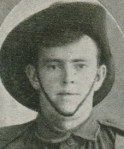
John Joseph Grace was born at Ravenswood, Queensland on the 5th October 1889 to Michael and Anne Grace nee Cavanagh. His father died in 1906 and at some stage the family moved to Watsonville. John was working as a miner in the Watsonville area when he and two mates, George Fraser and George Rowlands, decided to go to Herberton and put their names down to volunteer for the Australian Imperial Force. The three men were given a big send-off at the Watsonville School of Arts before they left for active service. John enlisted in the Australian Imperial Force at Cairns, Queensland on the 22nd January 1916. His next of kin is recorded as his mother, Mrs. A. Grace, Watsonville, Queensland, his occupation as a miner and his age as 27 years. After some training, he embarked with the 15th Battalion 19th reinforcement from Brisbane, Queensland aboard H.M.A.T. A 50 “Itonus” on the 8th August 1916. On the voyage to England, John became sick with Meningitis and disembarked at Dakar on the 6th September. After several weeks, he was well enough to embark on the ship “Clan McGillivray” on the 23rd October for England, disembarking at Southampton on the 2nd November 1916. He proceeded to France from Folkestone on the 10th April 1917, disembarking at Etaples the next day. After a few days at the Australian Divisional Base Depot, he was taken on strength in the field by the 15th Battalion. On the 19th May he was transferred to the 4th Light Trench Mortar Battery. He was wounded in action on the 27th September, with wounds to his right arm and thigh. He was treated at hospital in Rouen and then transferred to the 5th Southern General hospital at Portsmouth, England on the 9th October 1917. He was then admitted to the Australian Auxiliary Hospital at Dartford on the 19th October and then to the 2nd Convalescent Depot at Weymouth a week later. He was sent to the 1st Convalescent Depot at Sutton Veny, where he was charged with being AWL from the 28th November to the 29th November. His charge was admonished, but he forfeited 2 days’ pay. He proceeded to France from Southampton on the 7th February 1918 and was again admitted to hospital at Havre for an unknown illness on the 10th February, being discharged to duty on the 18th February. With the war over, John was granted leave to England from the 17th January 1919 to the 31st January. While on leave, he was admitted to the 2nd South General Hospital in Edinburgh, Scotland with Influenza on the 21st January and discharged back to his furlough on the 26th February 1919. John returned to Australia aboard the ship “Amagh”, leaving England on the 5th April and disembarking at Brisbane, Queensland on the 18th May 1919. Private John Joseph Grace was discharged from the Australian Imperial Force at Brisbane on the 29th June 1919 and returned to Herberton to live. On the 25th February 1953, John, who had been ill for some time, walked out of his house in Herberton at 7.35 a.m. wearing a white shirt, brown trousers slippers and disappeared. A search was conducted, checking mine shafts and the bush around Herberton. John Joseph Grace’s body was never found. He was 63 years old.
Lance Corporal, Edward Henry Hammond, 3334, 15th Battalion, 11th Reinforcement.

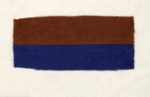
Edward Henry Hammond was born at Brisbane, Queensland on the 27th November 1896 to John and Elizabeth Hammond nee Overland. Edward enlisted in the Australian Imperial Force at Brisbane, Queensland on the 29th July 1915, aged 18 years. His father signed a letter giving his permission for Edward to enlist. After some training, he embarked with the 15th Battalion 11th reinforcement onboard H.M.A.T. A48 “Seang Bee” from Brisbane, Queensland, disembarking at Egypt in December. He was hospitalized with bronchitis at Heliopolis from 14th January 1916 until he was discharged to duty on the 27th January. Edward was transferred from the 15th Battalion to the 47th Battalion on the 3rd March 1916 and then embarked at Alexandria, Egypt on the “Calodowia”, disembarking at Marseilles, France on the 9th June. He was admitted to hospital in the field with tonsillitis on the 26th November and then admitted to hospital with mumps at Etaples on the 3rd December. He was then moved to the 18th General hospital on the 18th December and discharged on the 31st December to the Australian Divisional Base Depot. While at the Australian Divisional Base Depot, he was charged with being absent from the 9.00 am parade and forfeited two days’ pay. He rejoined his Battalion in Belgium on the 17th January 1917 and was appointed Lance Corporal on the 20th July 1917. His battalion had moved back to France, where on the 15th December 1917 he was again admitted to hospital with tonsillitis. He was sent to England on the 24th December and admitted to hospital at Portsmouth on the 25th. He was transferred to the 3rd Australian Auxiliary hospital on the 10th January 1918. After being discharged, he was granted leave from the 17th January to the 31st January. On the last day of his leave, he was admitted to hospital at Hurdcott with an unknown illness. After his discharge from hospital, he was sent to an overseas training brigade from where he proceeded to France from Southampton on the 4th March 1918. Edward rejoined his battalion in the field on the 9th March and was transferred to the 46th Battalion in the field on the 27th May 1918. With the war over, Edward returned to England on the 15th January 1919 and returned to Australia aboard the “Warwickshire” on the 5th April, disembarking at Melbourne, Victoria on the 25th March 1919. Lance Corporal Edward Henry Hammond was discharged from the Australian Imperial Force at Brisbane, Queensland on the 24th July 1919. Edward returned to Mt Garnet and went back to mining, taking a lease in the Mt Garnet area for Wolfram in 1937. With the outbreak of World War 2, he enlisted in the army on the 20th October 1939 and was given a send-off at Mt Garnet in November 1939. Edward was discharged from the army as medically unfit on the 20th January 1942. He ended up living at Cunningham Memorial Home in Bowen. Edward Henry Hammond died at Bowen, Queensland on the 10th October 1977, aged 79 years. He is buried at the Bowen General Cemetery in an unmarked grave.
Private, Henry Drower Kemp, 5288, 31st Battalion, 15th Reinforcement.

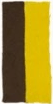
Henry Drower Kemp was born in Charters Towers, Queensland on the 14th April 1899 to David and Fanny Kemp nee Drower. At the age of 18 years and 6 months, he enlisted in the Australian Imperial Force at Cairns, Queensland on the 27th October 1917. His occupation is recorded as a miner. His next of kin is given as his father, David Kemp, Watsonville via Cairns, North Queensland and his address as Watsonville via Cairns, North Queensland. Both his parents signed his enlistment papers giving their consent. After some training, he embarked with the 31st Battalion 15th reinforcement from Sydney, New South Wales, on board S.S. “Ormonde” on the 2nd March 1918. On the voyage over, he became sick and was evacuated to hospital at Suez, Egypt with measles on the 30th April. After he was discharged from hospital, he embarked on board the “Indarra” from Alexandria, Egypt on the 24th May 1918 and disembarked at Southampton, England on the 5th June 1918. Edward had 3 shillings per pay taken out of his pay to send to his mother in Watsonville. After more training with the 14th Training Battalion, he proceeded to France on the 29th August and joined the 31st Battalion on the 2nd September. Henry was wounded in action with severe mustard shell gas poison burns on the 30th September and admitted to hospital in France on the 2nd October. He was invalided to England on the 14th October and admitted to hospital in Exeter on the 16th October. After his health improved, he was transferred to convalesce at the 3rd Auxiliary hospital at Dartford on the 29th November 1918. He was discharged from hospital and granted leave from 9th December to 23rd December. While he was on leave, he was admitted to Fleetwood Military hospital with pneumonia on the 14th December and sent to convalesce at the 3rd Auxiliary hospital, Dartford, on the 1st January 1919. He was again taken ill and sent to hospital on the 6th February 1919, discharged and granted leave from 31st March to the 8th April before being sent to the Australian Imperial Force Headquarters in London awaiting return to Australia. Henry embarked on the 3rd May 1919 aboard the “Leicestershire” for Australia, disembarking at Melbourne, Victoria on the 21st June. Private Henry Drower Kemp was discharged from the Australian Imperial Force at Brisbane, Queensland on the 8th July 1919. He returned to Watsonville and resumed mining, taking up several mine leases. Henry Drower Kemp died at the Herberton hospital on the 9th September 1936 as a result of injuries received from a fall on the night of September 6 at the unused United North Australian battery. A Coronial Inquiry was held into his death, and it was found that his death was accidental.
Lance Corporal, William George McNally, 8528, 12th Field Ambulance.


William George McNally was born at Watsonville, Queensland on the 11th September 1897 to Jack and Kathleen McNally nee Cusack. After he finished his primary schooling, he attended Ipswich Grammar School and studied to become a school teacher. William enlisted in the Australian Imperial Force at Brisbane, Queensland on the 7th July 1915, aged 18 years. His mother and father both signed a letter giving him their permission to enlist. His next of kin is recorded as his mother, Mrs K. McNally, State School Forrest Hill, Queensland; His occupation is recorded as a school teacher and his address was Forest Hill, Lockyer Valley, Queensland. After some training, he embarked with the 1st Australian General Hospital, 13th reinforcement from Melbourne, Victoria, aboard H.M.A.T. A19 ” Afric” on the 5th January 1916, disembarking in England on the 3rd March 1916. He was admitted to the military hospital at Fargo for an unknown illness on the 31st July 1916. He proceeded to France aboard S.S. “Princess Clementine” from Folkestone, England on the 3rd February 1917 and was transferred to the 12th Field Ambulance on the 12th February. On the 27th January 1918, he was admitted to hospital in France with accidental burns to the neck, arms and knee and then on the 31st January transferred to the 1st London General hospital for treatment. He was transferred to the 1st Australian Auxiliary hospital on the 11th February, discharged and granted leave from the 15th February to the 1st March 1918. After he had fully recovered, William proceeded to the Australian General Base Depot in France on the 15th April. He was admitted to hospital in France for an unknown illness on the 24th May and discharged from hospital on the 26th May. William was promoted to Lance Corporal on the 25th July and temporary Corporal on the 13th January 1919. He was granted leave in France from the 21st January to the 2nd February 1919 and reverted to Lance Corporal on the 3rd March 1919. He returned to England from France, disembarking at Weymouth on the 14th March. William embarked for England, returning to Australia aboard the “Port Macquarie” from Cardiff, Wales on the 28th March 1919, disembarking at Melbourne, Victoria on the 26th May 1919. Lance Corporal William George McNally was discharged from the Australian Imperial Force at Brisbane, Queensland on the 20th July 1919. William applied for repatriation benefits in December 1965. William George McNally died at Sydney, New South Wales on the 19th June 1971. He is buried at Eastern Suburbs Memorial Park, Matraville, Randwick City, New South Wales.
Lance Corporal, Arthur Llewelyn Morris, 33, 41st Battalion.

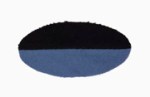
Arthur Llewelyn (Taffy) Morris was born at Watsonville, Queensland on the 29th January 1897, the ninth of 14 children to Alfred and Frances Morris nee Hodgkins, and he attended Watsonville State School. He enlisted in the Australian Imperial Force at Cairns, Queensland on the 10th December 1915, aged 19 years. His next of kin is recorded as his father, Alfred Morris, Watsonville via Herberton, N.Q., his occupation is given as a miner and his address as Cairns, Queensland. After some training he embarked with the 41st Battalion from Sydney, New South Wales aboard H.M.A.T. A64 “Demosthenes” on the 18th May 1916, disembarking in England. On the voyage over he was charged with ”breaking away from quarters” and forfeited 20 days’ pay and two shillings expenses. He was charged with being AWL from 14th August to the 16th August 1916 and awarded 20 days confined to barracks and a forfeit of nine days’ pay. Arthur, with the 41st Battalion, embarked from Southampton, England for France on the 24th November 1916. The battalion moved into the front line on Christmas Eve in the cold, wet winter of 1916-17. The battalion saw action on the front lines, took part in training and worked in the rear areas. It played a role at Messines in June 1917, at Broodseinde in October and other areas in Belgium and France. Arthur was given leave in England from the 8th January to 28th January 1918 and was appointed to Lance Corporal on the 14th August 1918. He was wounded in action by a bullet wound to the right hand on the 1st September and invalided to England on the 4th September and admitted to Boscombe Military Hospital. He was transferred to the 3rd Australian Auxiliary Hospital at Dartford on the 21st September 1918 and granted leave from the 24th September to the 8th October. (Arthur’s war gratuity schedule in his records indicates that he had a “gun shot wound, compound fracture slt (slight) right leg, Tibia” on the 23rd March 1917. This is the only mention of it in his records. Arthur returned to Australia aboard the “Cemamic”, embarking on the 25th January 1919 and disembarking at Melbourne, Victoria on the 14th March 1919. Lance Corporal Arthur Llewelyn Morris was discharged from the Australian Imperial Force at Brisbane, Queensland on the 5th May 1919. He married Frances Ella Apps on the 30th December 1922. Arthur Llewelyn (Taffy) Morris died at Gordonvale, Queensland on the 10th December 1979 and was buried at the Gordonvale Cemetery, Gordonvale, Queensland.
Trooper, Alfred (Fred) Morris,1076, 2nd Light Horse Regiment, 7th Reinforcement.
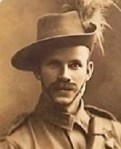

Alfred Morris was born at Watsonville on the 19th May 1886, the fourth of 14 children born to Alfred and Kathleen Morris nee Hodgkins. As a child he attended Watsonville State School and then worked around North Queensland as a miner. He enlisted in the Australian Imperial Force at Cooktown, Queensland on the 6th July 1915, aged 28 years. His next of kin is recorded as his father, Alfred Morris, and mother, Kathleen Morris, of Watsonville, Queensland. After some training, he embarked with the 2nd Light Horse Regiment, 7th reinforcement from Sydney, New South Wales, on board H.M.A.T. A9 “Shropshire” on the 20th August 1915 for Egypt. He joined the 2nd Light Horse Regiment at Gallipoli on the 25th November 1915 and returned to Alexandria, Egypt aboard “Ionian” on the 26th December 1915 after the withdrawl from Gallipoli. The 2nd Light Horse, as a part of the 1st Light Horse Brigade, defended the Suez Canal and in August 1916 fought in the battle of Romani. After a rest, the regiment took part in the battles of Maghaba in December 1916 and Rafa in January 1917. Alfred was admitted to hospital at Khazar on the 14th May 1917 with Gastric Enteritis and diarrhoea and returned to duty on the 10th June. He was again admitted to hospital on the 27th November 1917, returning to duty on the 8th December, admitted to hospital on the 11th December and sent to a rest camp at Port Said on the 6th January 1918. After a brief rest he was attached to the 1st Light Horse training regiment on the 20th January 1918 and then sent to the school of cookery at Ismailia on the 9th February. On the 16th April he was transferred back to the 2nd Light Horse Regiment in the field before being sent back to the school of cookery at Alexandria on the 27th June 1918. Alfred was admitted to hospital with V.D. on the 13th December 1918 and discharged to duty on the 23rd March. He was given early repatriation and embarked for Australia aboard the ship “Ulamaroa” from Kantara, Egypt on the 13th March 1919, disembarking at Brisbane, Queensland on the 29th April 1919. Trooper Alfred Morris was discharged from the Australian Imperial Force at Brisbane, Queensland on the 21st June 1919. He married Agnes Ella (Aggie) Baxter on the 15th December 1920 and three sons are known to their marriage. Alfred Morris died at Watsonville, Queensland on the 27th September 1963, aged 77 years, and was buried at the Herberton General Cemetery, Herberton, Queensland.
Private, Roy Charles Morris, 3332, 41st Battalion, 8th Reinforcement.
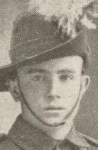
Roy Charles Morris was born at Watsonville, Queensland, on the 29th September 1899, the tenth child of 14 children to Alfred and Kathleen Morris nee Hodgkins. He attended Watsonville State school and worked as a miner in the Watsonville area. Roy enlisted in the Australian Imperial Force at Cairns, Queensland on the 1st May 1917, aged 18 years. His next of kin is recorded as his mother, Mrs. Catherine Morris, Watsonville via. Herberton, North Queensland. His occupation is given as a miner and his address as Post Office, Watsonville, North Queensland. He was first attached to the Light Horse, and then he was either transferred by the military or asked to be transferred to the 41st Battalion. He embarked with the 41st Battalion 8th reinforcement from Sydney, New South Wales on board H.M.A.T. A20 “Hororata” on the 14th June 1917. On the voyage he was admitted to hospital with Mumps on the 14th August and discharged on the 18th August. He disembarked at Liverpool, England on the 28th August 1917 and was sent to the 11th training battalion at Larkhill. Roy embarked for France from Southampton on the 1st January 1918 and joined his battalion on the 8th January. He was admitted to hospital for an unknown illness on the 9th August 1918 and rejoined his battalion in the field on the 14th September. With the end of the war, he was given leave to England from the 5th January to 20th January 1919. Roy was again admitted to hospital on the 7th April 1919 for an unknown illness. He was discharged and sent to the Australian Infantry Base Depot on the 17th April before embarking for England on the 18th April 1919. He was granted leave with pay to work farming at W. Hodgkins’ farm at No.2 Little Hemsworth, Wakefield, Yorks. His leave was cancelled on the 8th September 1919, and he rejoined the battalion waiting for his return to Australia. Roy embarked England on the 23rd September aboard “Ascanius”, disembarking at Sydney, New South Wales on the 10th November 1919. Private Roy Charles Morris was discharged from the Australian Imperial Force at Brisbane, Queensland on the 19th December 1919. On the 16th July 1920, he wrote to the District Finance Officer about the subsistence allowance of 6 shillings a day he had never received while working at the farm. Roy returned to Watsonville and was elected as captain of the Watsonville Rifle club in 1928. In 1933, he did some prospecting in New Guinea and tried his hand at tobacco farming, taking up a 40-acre lease north of Watsonville. Roy married Wilma Elise Leinster on the 30th March 1936 and one child is known to the marriage. He served in World War 2, enlisting on the 22nd July 1942 aged 42 years, and was discharged on the 21st October 1945. Roy Charles Morris died at Mareeba, Queensland on the 30th March 1966, aged 66 years, and was buried at the Mareeba Pioneer Cemetery.
Trooper/Private, Victor Edward Morris, 930, 31st Battalion.
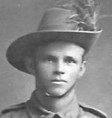

Victor Edward Morris was born at Watsonville, Queensland on the 9th December 1891, the seventh child of 14 children, to Alfred and Kathleen Morris nee Hodgkins. He attended Watsonville State school and worked as a miner in the Watsonville area. He enlisted in the Australian Imperial Force at Herberton, Queensland on the 11th January 1915, aged 23 years. His father, Alfred Morris, is listed as his next of kin and his occupation is given as a miner. Victor embarked from Newcastle, New South Wales with the 2nd Light Horse, 5th reinforcement aboard H.M.A.T. A57 “Malakuta” on the 22nd May 1915. After disembarking in Egypt, he was sent to Gallipoli on the 1st August where he was admitted to a field hospital and sent to St Johns hospital at Malta on the 4th September with Diarrhoea. He was diagnosed with Enteric Fever and sent to England aboard H.S. “Brasile” on the 9th September and admitted to Fullham Military hospital and then Addington Park war hospital, being discharged in November. On the 11th March he was charged with being AWL and forfeited one day’s pay. While he was recuperating, he married Agnes Mary Roughead at the Paddington registry office on the 14th April 1916. He was back in hospital on the 30th June 1916 for an unknown illness and discharged on the 14th July. Victor was transferred from the 2nd Light Horse to the 25th Battalion on the 6th September and sent to France where he was transferred to the 31st Battalion in the field on the 15th October. On the 30th October he was hospitalised with Trench Feet and sent to England aboard H.S. “Dieppe” from Calais, France on the 5th November. After he was discharged from hospital, he was sent back to France, embarking on the “Princess Clementine” from Folkstone on the 16th January 1917. He rejoined the 31st Battalion on the 7th February 1917. The Battalion played a follow-up roll after the Germans withdrew from the Hindenburg Line and fought in the battle at Polygon Wood. Victor was granted leave to England from the 18th January 1918 to the 8th February 1918. After his return to France, he became ill and was sent to England and admitted to the 3rd Southern General hospital on the 24th June 1918 with Influenza and discharged with leave from the 11th July to 25th July. Victor was charged with being AWL from the 3rd September 1918 to the 5th September 1918 and forfeited four days’ pay. After the armistice was signed, Victor was granted special 1915 leave and embarked England on the 2nd January 1919, disembarking at Melbourne, Victoria on the 17th February 1919. Private Victor Edward Morris was discharged from the Australian Imperial Force at Brisbane, Queensland on the 18th April 1919. Victor and his wife returned to Watsonville, taking up mining again. He was granted a claim named “My Own” on the 6th March 1924. Their daughter Grace died at the Herberton hospital on the 13th July 1930 and was buried at the Watsonville cemetery. Victor must have decided to have a go at growing tobacco. He applied for and was granted 80 acres on the Walsh river, but it is not known if this venture was successful. Victor and his family made the move to Herberton in June 1931 and were given a fair well send off by the people of Watsonville at Leinster’s hotel. Victor Edward Morris died at Brisbane, Queensland on the 15th September 1970.
Private, William Morris, 2357, 41st Battalion, 4th Reinforcement.
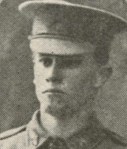
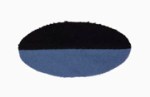
William Douglas Morris was born at Charters Towers, Queensland on the 3rd October 1897 to Harry and Annie Morris nee Morgan. William worked in and around the Watsonville area as a miner. He enlisted in the Australian Imperial Force at Cairns, Queensland on the 22nd July 1916, aged 18 years. His next of kin is given as his father, Harry Morris, Watsonville, North Queensland. His occupation is recorded as a miner. After some training he embarked with the 41st Battalion 4th reinforcement on board H.M.A.T. A36 “Boonah” from Brisbane, Queensland on the 21st October 1916 and disembarked at Plymouth, England on the 10th January 1917. He was sent to the 11th training battalion at Larkhill on the day of his arrival in England. On the 20th March, William was admitted to Fargo hospital with Mumps and discharged on the 7th April. He embarked from Folkstone, England for France on the 19th April and joined the 41st Battalion on the 10th May 1917. The battalion saw action at several places, including Messines, Broodseindaele, Warnton, Amiens and St Quentin Canal. He was granted leave to England on the 28th February 1918 and rejoined his battalion on the 16th March in France. William was wounded in action with a slight wound to the neck and admitted to hospital in the field on the 8th August and rejoined his battalion on the 26th August. He wrote several letters home to his family at Watsonville – “France 10th August 1918 – “My Dear Mother – I know what you will be like, but don’t worry, mum it is a slight wound. It is a bit of a scratch on the neck. I don’t know whether it was a piece of shell or a bayonet”. William was promoted to Lance Corporal on the 1st August 1918 and then on the same day promoted to temporary Corporal. He reverted to Lance Corporal on the 14th October 1918. With the end of hostilities, William was granted leave in Paris on the 6th February 1919 and rejoined his battalion on the 22nd February. He was charged with being AWL from the 5th March to the 7th March 1919 and forfeited two days’ pay. The battalion returned from France to Codford, England on the 29th April. William was in trouble again for being AWL from 20th May to the 30th May and, as punishment, reverted to a private and forfeited 14 days’ pay. William embarked from England to Australia on board the ship “Konig Luise” on the 21st June 1919, disembarking at Sydney, New South Wales on the 16th August 1919. Private William Morris was discharged from the Australian Imperial Force at Brisbane, Queensland on the 3rd July 1919. He returned to the Watsonville/Herberton area and married Olive Margaret Davis on the 8th October 1920 and one child is known to their marriage. William Morris died in a motor vehicle accident near Herberton, Queensland on the 19th May 1935, aged 41 years, and was buried at the Atherton Cemetery, Atherton, Queensland.
Sergeant, James William George Pyle, 210, 25th Battalion.

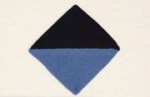
James William George Pyle was born at Herberton, Queensland on the 4th April 1895 to James and Clara Pyle nee Trevenen. He worked in the Watsonville area as a labourer and was a member of the Watsonville Rifle Club. At the outbreak of war, he volunteered for the Australian Naval and Military Expeditionary Force and embarked aboard the “Kanowna” from Cairns on the 8th August 1914 for garrison duty on Thursday Island. He then volunteered for overseas service on the 14th August and embarked from Thursday Island aboard the “Kanowna” for Port Moresby on the 16th August. On his return, he enlisted in the Australian Imperial Force at Cairns, Queensland on the 6th February 1915, aged 19 years. His mother wrote a letter giving James her permission to enlist. After some training, he embarked with the 25th Battalion from Brisbane, Queensland on board H.M.A.T. A60” Aeneas” on the 29th June 1915 and disembarked in Egypt. The 25th Battalion embarked from Alexandria, Egypt for Gallipoli on the 4th September. On the 18th October he was admitted to the 7th Field Ambulance with tonsillitis and was discharged to return to his battalion on the 25th October. After the evacuation from Gallipoli to Mudros Island, he returned to Alexandria aboard the “Hororata” on the 9th January 1916. The Battalion was then sent to France, disembarking at Marseilles on the 19th March 1916. The 25th Battalion was the first Australian Battalion to land in France and took part in the major battle of Pozieres from 25th July to 7 August. At some stage, James was promoted to Sergeant. Sergeant James William George Pyle was killed in action on the 29th July 1916 near Pozieres. His body was buried where he was killed about 4 miles north-east of Albert, France. After being notified of her son’s death, Mrs. Pyle had moved house, and the army was trying to contact her regarding James’s effects. She saw an article in the Brisbane Courier Mail newspaper regarding the army trying to contact the next of kin of deceased soldiers. She then made contact, and his effects were sent to her. Sergeant James William George Pyle’s remains were recovered after the war and reburied at Courcelette British Cemetery, five miles northeast of Albert. His mother received her James’s memorial scroll and the King’s message on the 12th September 1921.
David Benjamin Roberts, 4212, 25th Battalion, 10th Reinforcement.
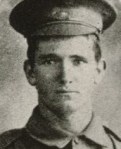

David Benjamin Roberts was born at Herberton, Queensland on the 6th June 1896 to David and Sarah Roberts nee Williams. He attended Ravenshoe State school and worked in the Watsonville area as a young man. He enlisted in the Australian Imperial Force at Townsville, Queensland on the 13th October 1915. His next of kin is recorded as his mother, Mrs. S. Roberts, Blunder Creek via Ravenshoe, North Queensland. After some training, he embarked with the 25th Battalion 10th reinforcement from Brisbane, Queensland on H.M.A.T. A73 “Commonwealth” on the 28th March 1916, disembarking at Alexandria, Egypt in May. The 25th Battalion had already moved to France in March. As a reinforcement for the 25th Battalion, David embarked Alexandria for France on the 30th May, disembarking at Marseilles on the 5th June. He joined his battalion on the 16th July 1917, just before the battle of Pozieres. Private David Benjamin Roberts was killed in action at Pozieres on the 29th July 1916, aged 20 years. His body was never found, and he has no known grave. His Memorial is at Villers-Bretonneux Memorial, Villers-Bretonneux, Picarde, France. His father received his son’s Memorial Scroll and King’s message on the 20th March 1922 and the Memorial Plaque on the 3rd October 1922.
Private, Otto Emanuel Roos, 272, 41st Battalion.
Otto Emanuel Roos was born at Cooktown, Queensland on the 29th November 1875 to Otto and Ellen Roos nee Manson. He worked around the Watsonville area as a miner and was a member of the Watsonville Rifle Club. He enlisted in the Australian Imperial Force at Cairns, Queensland on the 7th January 1916, aged 40 years. His next of kin is recorded as his mother, Mrs. Ellen Roos, Watsonville and his occupation is given as a miner. After some training, he embarked with the 41st Battalion from Sydney, New South Wales aboard H.M.A.T. A64 “Demosthenes” on the 18th May 1916, disembarking at Southampton, England on the 24th July. The battalion moved to France from Southampton on the 24th November 1916 where he was attached to the 2nd Tunnelling Company of the 41st Battalion. Otto was admitted to hospital sick with Myalgia (Rheumatoid Arthritis) on the 25th April 1917 and rejoined his battalion on the 6th May. He was again admitted to hospital with Myalgia on the 25th May and then admitted to the 23rd General hospital Etaples. He was diagnosed with Debility on the 23rd June and then sent to a convalescent camp on the 26th June. After some rest, he was sent to the Australian Divisional Base Depot at Rouelles on the 28th July before being transferred to the Australian Veterinarian Hospital in Calais on the 8th August 1917. Otto was classified “PU” (Permanently or Physically unfit) by the Medical Board on the 21st October 1917 and sent to England on the 18th December waiting for his return to Australia. He embarked from England on the ship “Balmoral Castle” on the 1st February 1918. Private Otto Emanuel Roos was discharged from the Australian Imperial Force at Brisbane, Queensland (over age) on the 2nd May 1918. Otto Emanuel died on the 20th January 1943 at Mareeba, Queensland and was buried at the Mareeba Pioneer Cemetery, Mareeba, Queensland.
Private, Herbert Henry Ross, 2641, Military Medal, 41st Battalion, 5th Reinforcement.

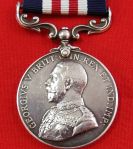
Herbert Henry Ross was born at Georgetown, Queensland on the 23rd November 1898, the 10th child of 12 to William and Catherine Ross nee Pembleton. William attended Watsonville State School and worked in the Watsonville area. He enlisted in the Australian Imperial Force at Cairns, Queensland on the 22nd July 1916, aged 18 years. His next of kin is recorded as his father, William Ross, Herberton, Queensland, his occupation given as a Horse Driver and his address as Watsonville, Queensland. He embarked with the 41st Battalion 5th reinforcement from Brisbane, Queensland aboard H.M.A.T. A55 “Kyarra” on the 17th November 1916, disembarking at Plymouth, England on the 30th January 1917. He was sent to the 11th training battalion and was admitted to Fargo hospital on the 14th March and discharged back to the 11th training battalion on the 29th March. Herbert proceeded to France from Southampton on the 19th June 1917 and joined his battalion in the field on the 12th July 1917. From July 1917 to March 1918 the Battalion took part in the battle at Broodseinde and established a new front line near Warneton. The battalion remained in Belgium until March 1918, when it was sent south to France to help against the German offensive. Herbert was again admitted to hospital on the 9th April 1918 and was sent to England and admitted to Horton War hospital with Bronchitis. After he recovered, he was granted leave from the 15th May to the 29th May. He was charged with being AWL from the 2nd July to the 9th July, but the charge was dismissed. He embarked for France from Folkestone on the 6th September, and he rejoined his battalion in the field on the 12th September. The battalion took part in the fighting on the Hindenburg Line around the St Quentin canal, where on the 9th October 1918 Herbert was recommended for a Military Medal for bravery. After the end of hostilities, Herbert was granted leave in Paris from the 11th March to the 24th March. He then returned to England on the 28th April 1919. While he was waiting for his return to Australia, he went AWL from the 19th May to the 30th May and forfeited 22 days’ pay. He embarked on the “Kon Luise” on the 21st June 1919, disembarking at Sydney, New South Wales, on the 16th August 1919. Private Herbert Henry Ross was discharged from the Australian Imperial Force at Brisbane, Queensland on the 25th September 1919. He received his Military Medal on the 31st December 1919. He married Ellen Eleanor Forrester in 1923 and two children are known to their marriage. Herbert Henry Ross died at Cairns, Queensland on the 19th May 1956 and was buried in the Cairns Cemetery, Cairns, Queensland.
Private, Edward Michael Ross, 2012, 52nd Battalion, 3rd Reinforcement.


Edward Michael Ross was born at Georgetown, Queensland on the 14th March 1895, the ninth child of 12 to William and Catherine Ross nee Pembleton. He was a member of the Watsonville Rifle Club and at the outbreak of war volunteered for the Australian Naval and Military Expeditionary Force and embarked aboard the “Kanowna” from Cairns, Queensland on the 8th August 1914 for garrison duty on Thursday Island. Edward then volunteered for overseas service on the 14th August and embarked from Thursday Island aboard the “Kanowna” for Port Moresby on the 16th August. On his return, he enlisted in the Australian Imperial Force at Cairns, Queensland on the 10th December 1915, aged 20 years. His next of kin is recorded as his father, William Ross, Watsonville via Herberton, N.Q. and his occupation is given as a miner. He was allotted to C company, 41st Battalion from the 3rd March to the 28th April, then he was transferred to the 52nd Battalion, 3rd reinforcement. He embarked from Brisbane, Queensland aboard H.M.T.A. A46 “Clan McGillivary” on the 1st May 1916. The “Clan McGillivary” may have disembarked troops at Egypt at some stage of the voyage, as his records indicate he embarked from Egypt, possibly on the ship “Megantic” on the 6th August 1916 and disembarked at Southampton, England on the 16th August 1916. After a spell at the 13th training battalion at Rollestone, he embarked for France aboard the S.S.” Princess Henrietta” from Folkestone on the 2nd November 1916 and joined his Battalion on the 18th November. For the next seven months, the battalion was engaged in front line duty, training and labouring work. The battalion was in the advance on the Hindenburg Line and saw action at Norevil. Edward was transferred to the 13th Light Trench Mortar Battery on the 19th June 1917 and was then transferred back to the 52nd Battalion on the 10th August. He was charged with being drunk and disorderly on the 11th January 1918 and was given 28 days Field Punishment. Edward was Court Marshalled for “Deserting His Majesty’s Services” from 9th May 1918 to the 15th May. He was found guilty and sentenced to Penal Servitude for Life. His sentence was commuted to 15 years by order of General W.R. Birdwood on the 25th May. He was committed to prison on the 5th June 1918, where on the 1st August his sentence was again commuted, this time to two years. Edward was released from prison and his sentence suspended on the 17th January 1919. He returned to England, arriving at Southampton on the 9th April and was in trouble again, being charged with AWL from 28th April to the 6th June. He was sentenced to seven days confined to barracks and forfeited eight days’ pay. Edward embarked England for return to Australia on the 2nd June aboard S.S. “Beltana” disembarking at Melbourne, Victoria on the 19th July. Private Edward Michael Ross was discharged from the Australian Imperial Force at Brisbane, Queensland on the 28th August 1919. He returned to the Watsonville/Herberton area and married Bess Montgomery Toy on the 29th May 1920. One child is known to their marriage. Edward Michael Ross died at Cairns on the 4th August 1966, aged 71 years and was buried at the Cairns General Cemetery, Cairns, Queensland.
Private, Joseph Ross, 3109, 42nd Battalion, 7th Reinforcement.


Joseph Ross was born at Charters Towers on the 25th February 1885, the fourth child of 12 to William and Catherine Ross nee Pembleton. He attended Herberton State school and worked in the Herberton/Watsonville area as a miner. Joseph enlisted in the Australian Imperial Force at Cairns, Queensland on the 28th October 1916, aged 31 years. His next of kin is recorded as his mother, Catherine Ross, Post Office Herberton and his occupation is given as a miner. On his enlistment papers under Next of Kin his mother’s name is crossed out and in red his next of kin is recorded as his father, William Ross, of the same address. Joseph must have been rejected from joining the Australian Imperial Force before, as he states in his enlistment papers, that he was rejected before for “sight”. After some training, he embarked from Sydney, New South Wales, with the 42nd Battalion 7th reinforcement on board H.M.A.T. A14 “Wiltshire” on the 7th February 1917, disembarking at Devenport, England on the 11th April. He was sent to Durrington camp on the 23rd April and then to No.2 Command depot, Weymouth, on the 5th June 1917. Joseph was given an early return to Australia and embarked England on the 21st July 1917 on the ship H.S. A14 ”Euripides” for discharge. Private Joseph Ross was discharged from the Australian Imperial Force at Brisbane, Queensland on the 6th November 1917, M. U. – (Medically Unfit). Nothing is known of his life after he returned to Australia, only that he may have married a Rose Agnes in 1922. Joseph Ross died at Cairns on the 27th February 1969, aged 74 years, and was buried at the Cairns General Cemetery, Cairns, Queensland.
Private, George Rowlands, 5739, 9th Battalion, 18th Reinforcement.
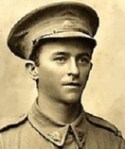
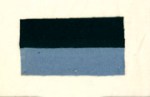
George Rowlands was born at Watsonville, Queensland on the 22nd September 1891 to Daniel and Ada Rowlands nee Touzeau. He attended Watsonville State school and was a member of the Watsonville Rifle Club. At the outbreak of war, he volunteered for the Australian Naval and Military Expeditionary Force and embarked aboard the “Kanowna” from Cairns on the 8th August 1914 for garrison duty on Thursday Island. He then volunteered for overseas service on the 14th August and embarked from Thursday Island aboard the “Kanowna” for Port Moresby on the 16th August. It was from Watsonville that George, John Grace and George Fraser set off to Herberton to put their names down to enlist in the Australian Imperial Force. The three men were given a big send-off at the Watsonville School of Arts before they left for active service. George signed up with the Australian Imperial Force at Cairns, Queensland on the 22nd January 1916, aged 26 years. His next of kin is recorded as his brother D.H. Rowlands Watsonville and his occupation is given as a miner. After some training, he embarked from Brisbane, Queensland, with the 9th Battalion 18th reinforcement on board H.M.A.T. A 49 “Seang Choon” on the 4th May 1916, disembarking in Egypt. He embarked at Alexandria for England aboard the ‘Arcadian” on the 29th July and disembarked in England on the 9th August and was sent to the 3rd training battalion at Perham Downs. George embarked for France from Folkstone aboard the S.S. “Onward” on the 19th November 1916 and was sent to the 1st Australian Divisional Base Depot. He joined up with his battalion on the 17th January 1917. He was admitted to hospital on the 20th June with Pyrexia (fever) of unknown origin and discharged to rejoin his battalion on the 6th July. George was again admitted to hospital on the 21st July with V.D. He was sent to the 39th General hospital at Havre and discharged to the Base depot at Havre on the 5th October, rejoining his battalion on the 20th October 1917. Private George Rowlands was wounded in action on the 3rd November 1917 with a wound to his left leg (fractured) and sent to the 17th Casualty Clearing Station where he died of his wounds the next day. George was buried that day at Lyssenthoek Cemetery. His sister Rosaline wrote a letter to Base records trying to get his war medals as George had lived with her before he enlisted. George’s effects were sent to his oldest brother Daniel as next of kin in October 1918. Daniel also received George’s War Medals on the 27th January 1923, his Memorial Plaque on the 3rd February 1923 and his Memorial Scroll and King’s message on the 17th February 1923.
Private, Albert Spiegelhauer, 5741, 9th Battalion, 18th Reinforcement.
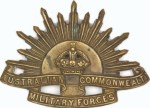
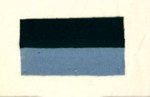
Albert Spiegehauer was born at Townsville, Queensland on the 25th August 1887 to Henry and Catherina Spiegehauer nee Braies. He attended Townsville State school and worked in the Watsonville area as a miner. He was a member of the Watsonville Rifle Club and at the outbreak of the war he volunteered for the Australian Naval and Military Expeditionary Force and embarked aboard the “Kanowna” from Cairns on the 8th August 1914 for garrison duty on Thursday Island. He then volunteered for overseas service on the 14th August and embarked from Thursday Island aboard the “Kanowna” for Port Moresby on the 16th August. After a send-off at Watsonville, Albert enlisted in the Australian Imperial Force at Cairns, Queensland on the 28th December 1915, aged 27 years. His next of kin is recorded as his father, Henry Spiegehauer South Townsville, Queensland, and his occupation as a miner. He embarked with the 9th Battalion, 18th reinforcement from Brisbane, Queensland aboard H.M.A.T. A49 “Seang Choon” on the 4th May 1916, disembarking at Egypt. He then embarked from Alexandria, Egypt on board H.M.T.”Arcadian” for England on the 29th July 1916. He embarked for France on the 16th October and was sent to the 1st Australian Divisional Base Depot. He was admitted to hospital with Mumps on the 11th November and discharged on the 2nd December 1916 to join his battalion on the 23rd December. The 9th Battalion had moved to Belgium in September and had returned to the Somme where Private Albert Spiegehauer was killed in action on the 27th December 1916. He was buried at the Bulls Road Military Cemetery, Flers, France. His father received photos of his son’s grave in October 1921, memorial scroll and King’s message in March 1922, memorial plaque in November 1922 and his son’s Victory medal in March 1923. It is not known if Albert’s effects were ever sent to his father.
Private, Thomas Henry Trevenen, 6368, 15th Battalion, 20th Reinforcement.

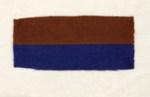
Thomas Henry Trevenen was born at Herberton, Queensland on the 19th March 1889, the oldest child of 8 to William and Mary Trevenen nee Handley. Thomas worked around the Watsonville area as a mill hand and mining with his father and brothers. He was a member of the Watsonville Rifle Club and at the outbreak of the war he volunteered for the Australian Naval and Military Expeditionary Force and embarked aboard the “Kanowna” from Cairns on the 8th August 1914 for garrison duty on Thursday Island. He then volunteered for overseas service on the 14th August and embarked from Thursday Island aboard the “Kanowna” for Port Moresby on the 16th August. Thomas enlisted in the Australian Imperial Force at Cairns, Queensland on the 11th March 1916, aged 26 years. His next of kin is recorded as his father, W.J. Trevenen, Watsonville, Queensland and his occupation is given as a mill hand. He was given a send-off at the Watsonville School of Arts hall before he left for training at Enoggera in Brisbane. After his enlistment, he was sent to Corporal school and then attached to the 7th reinforcement 47th Battalion, then to the 19th reinforcement 15th Battalion and finally to the 20th reinforcement 15th Battalion. Thomas embarked from Brisbane, Queensland with the 15th Battalion 20th reinforcement aboard H.M.A.T. A46 “Clan MacGillivary” on the 7th September 1916, disembarking at Plymouth, England on the 2nd November. He was sent to the 4th Training battalion on the 16th November and then to France from Folkstone aboard the S.S. “Princess Clementine” on the 28th December, joining his battalion on the 5th February 1917. He was transferred to the 25th Battalion on the 24th February and wounded in action with a wound to his left leg on the 4th May 1917. He was sent to England from Boulogne aboard the H.S. “Pieter De Conick” and admitted to the Edmonton Military hospital on the 7th May. Thomas was discharged from hospital on the 4th July, given leave and sent to convalesce at the Command depot at Perham Down as acting Corporal. He returned to France from Southampton on the 20th July and rejoined his battalion on the 9th August. Thomas was wounded in action on the 20th September with a wound to his left hand. He embarked for England aboard H.S. “St. David” and admitted to the 2nd Military hospital at Old Park, Canterbury on the 22nd September. He was transferred to the 3rd Australian Auxiliary Hospital at Dartford on the 28th September, given leave and sent to the No.1 Command depot on the 28th February 1918. After he recovered, he embarked for France from Folkstone on the 30th May 1918 and rejoined his battalion. Thomas was wounded for a third time with a wound to his left foot on the 11th June 1918. He was shipped out to England on the 14th June and admitted to the Middlesex War hospital on the 15th June. He was transferred to the 3rd Australian Auxiliary hospital Dartford on the 16th July and was discharged. He was granted leave from the 19th July to the 2nd August and was then sent to the No. 4 Command depot. He was transferred to the 9th Battalion on the 30th October 1918 and then admitted to the 1st Australian Dermatological hospital with V.D. and discharged on the 19th December 1918. He was invalid back to Australia, aboard the “Kyber”, embarking on the 31st March 1919 and disembarking at Brisbane, Queensland on the 18th May. Private Thomas Henry Trevenen was discharged from the Australian Imperial Force at Brisbane, Queensland on the 28th June 1919. He married Voilet Bird at Brisbane on the 12th August 1922. Thomas Henry Trevenen died on the 6th September 1964, aged 75 years, and was buried at the Toowong Cemetery, Brisbane, Queensland.
Private, William James Trevenen, 440, 4th Machine Gun Battalion, 6th Reinforcement.

William James Trevenen was born at Watsonville, Queensland on the 26th August 1890, the second child of 8 to William and Mary Trevenen nee Handley. He attended Watsonville State school and worked in the Watsonville area as a miner and tin dresser. He was given a send-off at Watsonville before he travelled to Cairns to enlist in the Australian Imperial Force. He enlisted at Cairns, Queensland on the 6th May 1916, aged 25 years. His next of kin is recorded as his father, William James Trevenen, Watsonville, Queensland and his occupation is given as a tin dresser. After some training at Lytton Camp in Brisbane, he was sent with the 6th Machine Gun reinforcement to Seymour, Victoria for more training, where he was promoted to Corporal on the 10th September. He reverted to Private on the 19th October and was attached to the 7th Machine Gun Company. William embarked from Melbourne, Victoria with the 7th Machine Gun Company aboard H.M.A.T. A17 “Port Lincoin” on the 20th April 1916. On the voyage to England, he transferred to the ship A38 “Ulyeses” at British Sierra Leone in West Africa on the 5th December and disembarked at Devonport, England on the 28th December 1916. William was admitted to Brigade Hospital, Perham Down on the 20th February 1917 and discharged on the 14th March. He embarked for France from Southampton on the 7th August, disembarking the next day. He was wounded in action on the 2nd September with slight wounds to his head and arm and was admitted to the 22nd General Hospital at Camiers. He was discharged from hospital to Base depot at Camiers on the 7th October and rejoined his unit on the 17th October 1917. William was wounded again on the 19th October with wounds to his right arm and right shoulder and was admitted to the 3rd Australian Field Ambulance. He was transferred to the 26th General Hospital at Etaples the next day and evacuated to England on the 5th November, where he was admitted to the 1st Southern General Hospital, Birmingham. He was discharged from hospital on the 22nd December and granted leave till the 5th January 1918. On his return from leave he was sent to the No.1 Command Depot and then to the overseas training brigade at Deverill on the 18th January. William proceeded to France on the 20th March and rejoined his unit on the 1st April 1918. He was promoted to temporary Corporal on the 24th May and Corporal on the 1st June 1918. He was wounded for a third time with shell wounds to his left hand and left elbow on the 18th September and admitted to the 1st Australian Field Ambulance. He was then transferred to the 1st General Hospital the next day and evacuated to England on the 21st September, being admitted to the Alexandra Hospital at Cosham. On the 17th of October, he was transferred to the 3rd Australian Auxiliary Hospital at Dartford and then given leave until the 2nd November, returning to the No.2 Command Depot, Hurdcott. The day his leave ended, he was admitted to the Military Hospital at Cardiff, Wales for an unknown illness and discharged on the 5th November. William was promoted to temporary Sergeant on the 1st May 1919 and reverted to Corporal on the 2nd June. He returned to Australia aboard the ship “Karmala”, embarking on the 1st July 1919 and disembarking at Melbourne, Victoria on the 17th August 1919. Corporal William James Trevenen was discharged from the Australian Imperial Force at Brisbane, Queensland on the 26th September 1919. He married Mary Maud Gillies on the 22nd August 1934 and one child is known from their marriage. William James Trevenen died of Emphysema at Atherton on the 6th September 1970, aged 80 years and was buried at the Atherton Cemetery, Atherton, Queensland.
Gladstone Wardrop, 27137, 7th Field Artillery Brigade, 27th Field Battery.

Adam Gladstone Wardrop was born at Watsonville, Queensland on the 22nd November 1886 to Henry and Mary Wardrop nee Byrne. Nothing is known about his younger years, only that his family moved away from the Watsonville area some time after his birth. He enlisted in the Australian Imperial Force at Rockhampton, Queensland on the 13th March 1916,aged 27 years. His next of kin is recorded as his wife, Mrs. Minnie Wihelmina Wardrop, Nebo Road, Mackay, Queensland and his occupation is given as a Horse Driver. After some training, he embarked with the 9th Field Artillery Brigade 4th reinforcement from Sydney, New South Wales, aboard H.M.A.T. A60 “Aeneas” on the 30th September 1916, disembarking at Plymouth, England on the 19th November 1916. He was admitted to Devonport hospital with an unknown illness and discharged on the 21st November. He embarked for France from Folkstone aboard S.S. “Princess Hennette” on the 8th January 1917 and was transferred to the 24th Battery, 7th Field Artillery Brigade on the 5th February. He was wounded in action by gas on the 21st September 1917 and admitted to the 10th Casualty Clearing Station. He was sent to England aboard the hospital ship “St Andrew” on the 14th October and admitted to Queen Mary’s Military hospital at Whalley. He was then sent to Hudcott and discharged to the overseas training Brigade on the 14th January 1918. Adam again embarked for France on the 1st March and rejoined his unit on the 7th March. He was admitted to hospital with Retinitis on the 22nd August and sent to England and admitted to the 4th London General hospital on the 28th August. He was then sent to the Australian Dermatological Hospital at Bulford on the 12th September after it was discovered he had a second case of Syphilis. He was discharged from hospital on the 20th September. Adam was admitted to the Military Hospital, Tidworth with Bronchitis on the 20th December. He became seriously ill on the 6th January 1919 and was transferred to the 1st Australian General Hospital on the 24th January 1919 where he was diagnosed with Addison Disease (problems with the immune system) and Hepatitis. He was sent back to Australia for treatment aboard the “Wandilla”, embarking on the 31st March 1919. Driver Adam Gladstone Wardrop died of Chronic Nephritis-Uraemia (Kidney Failure) at sea on the 8th May 1919 and was buried at sea the same day. His wife was notified of her husband’s death by letter dated 10th May 1919, and she received his Memorial Scroll and King’s Message on the 29th August 1921.


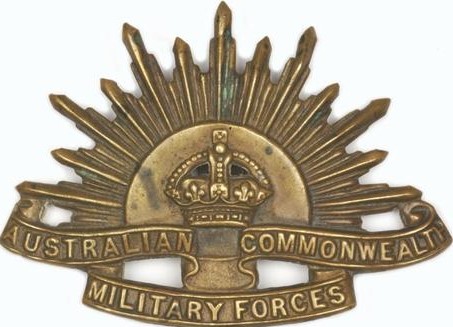

Stannary Hills.
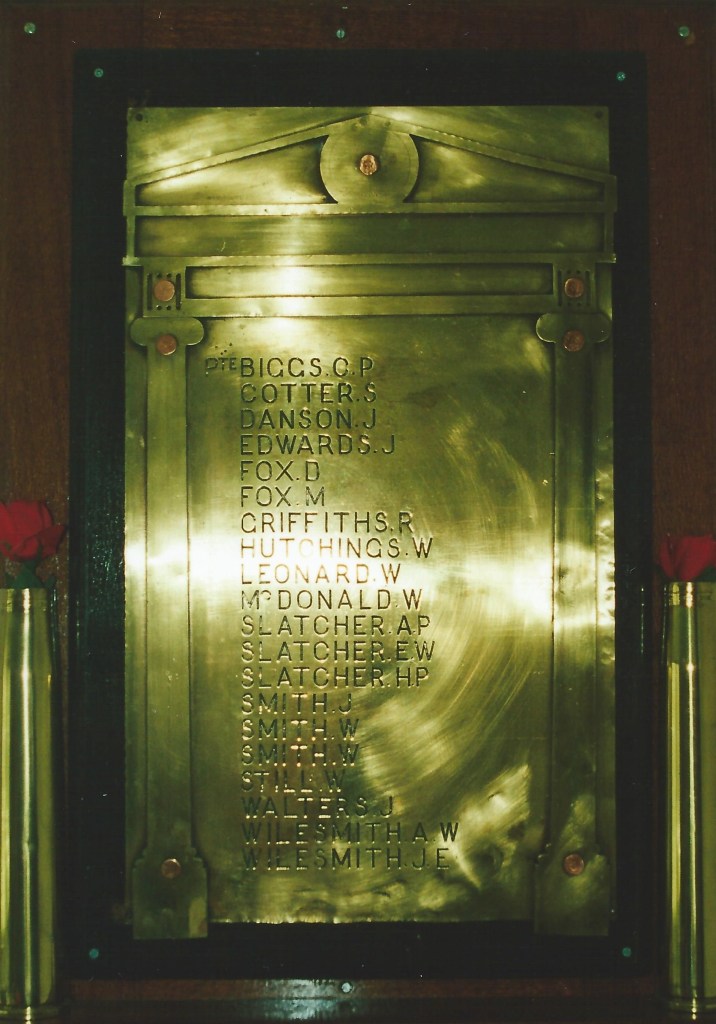
Names on the Stannary Hills Roll of Honour.
Private, Charles Percy St John Biggs, 4258, 31st Battalion, 11th Reinforcement.
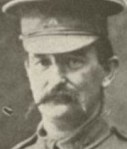
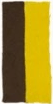
Charles Percy St John Biggs was born on the 2nd October 1871 on the Isle of Wight, England. He married Frances Thurza Louise Newnham, and they had 3 known children. At some stage, the family moved from the Isle of Wight to Queensland, where they ended up a Stannary Hills. Charles was working as a miner in the area when he enlisted in the Australian Imperial Force at Cairns, Queensland, on the 20th June 1916, aged 44 years. His next of kin is recorded as his wife, Mrs. Frances Thurza Louise Biggs, Stannary Hills, North Queensland. His occupation is given as a miner, and he had spent 15 years in the 5th Hampshire Regiment. Charles embarked with the 31st Battalion, 11th reinforcement from Brisbane, Queensland, aboard H.M.A.T. A 55 “Kyarra” on the 17th November 1916, disembarking at Plymouth, England on the 30th January 1917. He was sent to the 8th training battalion and admitted to hospital at Fovant on the 25th April and diagnosed with Rheumation (Myalgia) and transferred to the 1st Australian Auxiliary hospital at Harefield. He was sent to a Command depot at Weymouth and recommended for Home Services. Charles embarked for Australia aboard A71 “Nestor” on the 22nd July 1917 for Home Services. Private Charles Percy St John Biggs was discharged from the Australian Imperial Force (Rheumation, Age) at Brisbane, Queensland on the 15th November 1917. He returned to Stannary Hills and eventually moved his family to Cairns, where he worked with the Cairns Municipal Council until he became ill and died at Cairns, Queensland, on the 22nd September 1927, aged 56 years. He was buried at the Cairns General Cemetery, Cairns, Queensland.
Private, Sydney Edward Cotter, 58082, 9th Battalion, 6th Reinforcement Queensland.
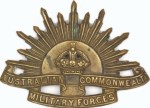
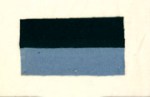
Sydney Edward Cotter was born at Urandangie, Queensland, on the 21st February 1899 to Christopher and Eliza Cotter, nee Prior. He worked in the Irvinebank / Stannary Hills area as a Miner and Horse Driver. He enlisted in the Australian Imperial Force at Cairns, Queensland, on the 12th June 1918, aged 19 years. His next of kin is recorded as his father, Christopher Cotter, Irvinebank, Queensland; his occupation is given as a Horse Driver, and his address as Irvinebank, Queensland. His father gave his consent for Sydney to enlist. After some training, he was allotted to the 6th Reinforcements, Queensland and embarked from Sydney, New South Wales aboard H.M.A.T. A41 “Bakara” on the 4th September 1918. On the voyage to England, Sydney was admitted to the ship’s hospital with Influenza on the 19th September and discharged on the 23rd September. He disembarked at London, England, on the 14th November 1918, 3 days after the armistice was signed. Sydney was allotted to the 9th Battalion and embarked for France on the 25th January 1919, joining his battalion on the 28th January. He was admitted to hospital with Influenza on the 10th February and then sent to England and admitted to the County of Middlesex hospital at Napsbury, St Albans on the 24th February. He was discharged from hospital and given leave from the 15th March to the 29th March. On his return from leave, he was charged with being AWL, which was excused when it was found that he had been instructed to report to the 2nd Australian Auxiliary hospital at Southall. He was admitted with Influenza and tonsillitis on the 29th March. He was discharged in May and applied for leave, which was granted for non-military work from the 10th May to the 10th September. The work was instruction in Butchering Business with James A. Motler, Liverpool Road, Patricroet, Manchester. His non-military work leave was cancelled on the 24th June owing to an early return to Australia. On the 4th July, Sydney was admitted to the Australian Dermatological hospital at Bulford with V.D. missing his return to Australia. He was discharged from hospital on the 13th October and given leave from the 5th November to the 7th November. Sydney embarked from England aboard the ship “Aeneas” for return to Australia on the 22nd November, disembarking at Sydney, New South Wales on the 12th January 1920. Private Sydney Edward Cotter was discharged from the Australian Imperial Force at Brisbane, Queensland, on the 6th February 1920. He married Elise Muriel Backhouse on the 10th September 1920, and 3 children are known from their marriage. Sydney Edward Cotter died at Cairns, Queensland, on the 5th March 1957, aged 62 years, and was buried at the Cairns Martyn Street Cemetery, Cairns, Queensland.
Private, John Thomas Danson, 6013, 9th Battalion, 19th Reinforcement.
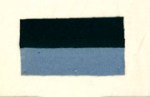
John Thomas Danson was born at Beaconsfield, Tasmania, on the 22nd June 1897 to John and Sara Danson. He worked as a miner in the Stannary Hills area and was a member of the Stannary Hills rifle club. He volunteered for the Australian Naval and Military Expeditionary Force and embarked on the “Kanowna” from Cairns, Queensland, on the 14th September 1914 for Thursday Island, serving 6 months garrison duty with the Kennedy Regiment. He enlisted in the Australian Imperial Force at Cairns on the 12th February 1916, aged 18 years. His next of kin is recorded as his father, John Danson, Stannary Hills, vir Cairns, Queensland, and his occupation is given as a miner. John embarked with the 9th Battalion 19th reinforcement from Brisbane, Queensland aboard H.M.A.T. A50 “Itonus” on the 8th August 1916, disembarking at Plymouth, England on the 18th October 1916. After 2 months with the 3rd training battalion, he embarked for France from Folkstone, England, aboard the S.S. Victoria on the 4th February 1917 and joined his battalion in the field on the 22nd February. Between February 1917 and January 1918, the 9th Battalion was in the Somme area, taking part in the fighting at Legnicourt in April, Bullecourt in May. The battalion was sent back to Belgium in September and fought at Menin Road, Broodseinde Ridge, Poelcappelle and Passchendaele. John was granted leave to England from the 21st January 1918 and overstayed his leave. He was charged with being AWL from the 7th February to the 20th February, and a Field General Court Martial was held on the 18th March, and he was found guilty. He was sentenced to 60 days’ field punishment No.2 (Hard Labour) and forfeited 99 days’ pay. His sentence was remitted and he was released to his battalion on the 29th March. John was wounded in action (Amiens), gas slight, on the 10th August and admitted to the 5th General Hospital and discharged to the Australian Divisional Base Depot on the 27th August. He was admitted to the 3rd Australian General Hospital with Influenza on the 24th October and discharged on the 8th January 1919, rejoining his battalion on the 22nd January. John embarked from England on the 20th May 1919 for return to Australia aboard the “Nestor”, disembarking at Sydney, New South Wales on the 4th July. Private John Thomas Danson was discharged from the Australian Imperial Force at Brisbane, Queensland, on the 20th August 1919. He married Jean Bosanko at Cairns, Queensland, on the 20th June 1923. John Thomas Danson died at Byron Bay, New South Wales, on the 12th September 1968, aged 71 years.
Private, J. Edwards.
At this stage we are unable to positively identify Private J. Edwards.
Trooper, Denis Fox, 928, 11th Light Horse Regiment, 3rd Reinforcement.
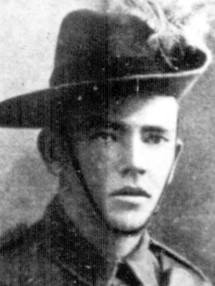

Herbert Denis Fox was born on the 18th January 1887 to Matthew and Marian (Mary) Fox, nee McKeegn. Nothing is known of Denis young life before he enlisted in the Australian Imperial Force at Cooktown, Queensland, on the 9th March 1915. His next of kin is recorded as Mrs. Munro, Tolga, Queensland. Mrs. Munro is thought to be his sister Kathleen Fox, who married Gilbert Bryce Munro in 1913. On his enlistment papers, his age is given as 25 years, which would make his birth year 1890. (We have also found a birth date of 1st October 1884). His occupation is recorded as a miner and his place of birth as Herberton, Queensland. On the 15th March 1915, Dennis was charged with “being absent from roll call” and given 12 hours detention. He embarked with the 11th Light Horse Regiment, 3rd reinforcement from Brisbane, Queensland aboard H.M.A.T. A35 “Kyarra” on the 8th August 1915, disembarking at Egypt in October. He embarked for Gallipoli on the 13th November and after the withdrawal returned to Alexandria aboard H.T. “Caledonia” on the 27th December 1915 as a member of the 2nd Light Horse. He was transferred back to the 11th Light Horse on the 22nd February 1916 at Heliopolis. Denis was charged with being AWL Drunkenness and awarded 10 days Field Punishment NO.2 (Hard Labour) on the 5th September. He reported sick to the casualty clearing station at Ferry Port on the 8th September and was admitted to the 3rd Australian General Hospital at Abbassia on the 11th September with mild appendicitis. He was then sent to the British Red Cross Depot at Montazan on the 14th September to recuperate. A week later, he was back in hospital at the 14th Australian General Hospital, where he was diagnosed with V.D.H. (Valvular Disease of the Heart). After several months in hospital, it was decided to send Denis Home to Australia. On the 1st December, he was picked up by the Military Police and charged with being Drunk on Abbassia road at 7.30 P.M. while a patient at hospital. It was decided that his punishment would be dealt with on his discharge from the hospital. Denis embarked from Suez aboard H.T. “Euripides” on the 22nd January 1917, (Irritable Heart). He disembarked at Sydney, New South Wales, on the 21st February 1917. Trooper Denis Fox was discharged from the Australian Imperial Force at Brisbane, Queensland, on the 12th April 1917. He was granted a pension of 3 pounds per fortnight, which was cancelled on the 14th February 1918. At some stage he moved to the Bowen area of Queensland, where he was a well-known resident, working on the waterfront and at the Bowen coke works in later years. Denis Fox died at the Bowen hospital on the 22nd December 1947, aged 63 years, and was buried at the Bowen General Cemetery, Bowen, Queensland, in an unmarked grave.
Private, Michael James Fox, 2783, 52nd Battalion, 6th Reinforcement.
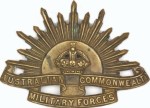

Michael James Fox was born at Herberton, Queensland on the 17th November 1892 to Matthew and Mary Fox nee McKeegn. As a young man, he worked around the Stannary Hills area as a miner. He enlisted in the Australian Imperial Force at Cairns, Queensland on the 22nd April 1916, aged 23 years. His next of kin is recorded as his father, Matthew Fox, Stannary Hills, Queensland, and his occupation is given as a miner. After some training with the 11th Depot Battalion, he was attached to the 47th Battalion, 5th reinforcement and sent to Lytton Camp, Brisbane, from the 14th August to the 2nd October. He was then attached to the 47th Battalion 7th reinforcement on the 3rd October and the next day attached to the 52nd Battalion 6th reinforcement. He embarked with the 52nd Battalion 6th reinforcement from Sydney, New South Wales aboard H.M.A.T. A40 “Ceramic” on the 7th October 1916, disembarking at Plymouth, England on the 21st November. He was attached to the 13th training battalion and reported sick to hospital for an unknown illness on the 20th December and discharged on the 26th December. Michael embarked for France aboard the “Princess Henrietta” from Folkstone on the 8th January 1917, disembarking at the Australian Divisional Base Depot at Etaples. He joined his battalion on the 15th January and was involved in following up the German retreat from the Hindenburg Line and the attack at Noreuil. Private Michael James Fox was killed in Action on the 12th April 1917 and is buried in the Noreuil British Cemetery No.1. There were no personal effects found in his kit bag and his mother was granted a pension of 2 pounds per fortnight. It seems that the family had moved to Tolga, Queensland at some stage and the war graves commission had sent a letter to Mary Fox, Tolga, Queensland, dated 10th November 1921 and received no reply. The family moved back to Stannary Hills some time in late 1921 or early 1922, where Mary Fox saw an item in a newspaper from the war graves commission requesting next of kin of a list of soldiers to contact them. Mary wrote to them in March 1922 advising them that her address was now Stannary Hills. A letter from the war graves commission addressed to Mary, Stannary Hills arrived dated 25th March 1922. The letter stated that” Several crossers on the graves of Australian soldiers buried in the Noreuil British Cemetery No.1 are no longer legible due to shell fire and the actions of the weather. It is also advised that the Officers Commanding the British Exhumation party ordered the removal of the remains of previously fully identified graves and were re-grouped as unknowns and re-interred in the new cemetery. The group will be buried under a special collective cross at Queant Road British cemetery with full regimental descriptions of the soldiers – “buried in this cemetery, actual graves unknown”, then a permanent inscription will be put in place. His father received Michael’s Memorial Plaque and King’s Message on the 25th August 1922.
Driver, Rollo James Griffiths, 3059, 5th Light Horse Regiment / Australian Mounted Division Train.

Rollo (Rowland)James Griffiths was born at Emmaville, New South Wales, in 1888 to Stephen and Marion Griffiths nee Tompkin. Nothing is known about his youth. He was living and working as a miner in the Stannary Hills area. Rollo married Miriam Sullivan on the 6th February 1913. He enlisted in the Australian Imperial Force at Cairns, Queensland on the 21st October 1916, aged 27 years. His next of kin is recorded as his wife, Mrs. Miriam Griffiths, Stannary Hills, Queensland and his occupation is given as a miner. He was attached to the 11th Depot Battalion from 28th October to the 18th November, then to the 47th Battalion from 18th November to 21st January 1917, then to the 31st Battalion from 21st January to the 6th February. He was moved again to the 9th Battalion from 6th February to the 9th February and then to the Light Horse Depot Regiment until he embarked for overseas. Rollo embarked with the 5th Light Horse 23rd reinforcement from Melbourne aboard H.M.A.T. A42 “Boorara” on the 10th May 1917, disembarking at Suez, Egypt on the 20th June. He was sent to the 2nd Light Horse Training Regiment on the 26th July and then to the 5th Light Horse Regiment on the 28th July. He either requested or was transferred to the Australian Mounted Division Train and appointed Driver in August. Rollo was charged on the 13th April 1918 with, “1. Failing to salute an officer”. “2. Not being in possession of identity discs”. His punishment was 2 days Field Punishment No.2 (Hard Labour unrestrained) and forfeited 12 shillings. Rollo was again charged on the 2nd December with“ allowing the contents of his wagon to be pillaged and neglecting to report same”. He was awarded 4 days Field Punishment No.2. He was sent to the 31st company in April 1919 and then to the 38th Company at Moascar awaiting his return to Australia. His wife, who had moved to Singleton, New South Wales, wrote a letter to the Military authorities dated 21st June requesting that her husband be returned to Australia. Rollo embarked from Kantara aboard H.T. “Oxfordshire” on the 10th July 1919, disembarking at Sydney, New South Wales on the 17th August. Driver Rollo James Griffiths was discharged from the Australian Imperial Force at Brisbane, Queensland on the 17th September 1919. At some stage, the family moved back to Brisbane, where Rollo James Griffiths died on the 13th August 1962 and was buried at the Toowong Cemetery, Toowong, Brisbane, Queensland. His wife Miriam made a claim for repatriation benefits on the 25th October 1962.
Private, William James Hutchings, 1540, 25th Battalion.
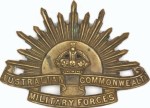
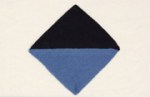
Hutchings W. – Thought to be William James Hutchings, born at Kent, England around 1889. He probably worked as a miner in the Stannary Hills area until he enlisted in the Australian Imperial Force at Cairns, Queensland on the 9th March 1915, aged 26 years. His next of kin is recorded as his father, William Hutchings, of Woolwich, Kent, England, and his occupation is given as a miner. He embarked for overseas with the 25th Battalion from Brisbane, Queensland aboard H.M.A.T. A60 “Aeneas” on the 29th June 1915, disembarking in Egypt. After some training, the 25th Battalion proceeded to Gallipoli in September. After the withdrawal from Gallipoli, the Battalion was sent to France in March 1916. William, however, did not embark from Alexandria for France until the 29th July 1916, several months after the rest of the battalion. He was granted leave and on the 30th August he was charged with overstaying his leave by 21/2 hours. He was awarded 7 days C.C. (confined to camp) and forfeited 1 day’s pay. In late 1916 or early 1917, William was in England and attached to the 7th training battalion. He embarked for France from Folkstone on the 25th April 1917 and rejoined his Battalion on the 2nd May 1917. The Battalion’s first major battle was at Pozieres. It then moved south in October, took a support role at Bullecourt and fought in the battles at Menin Road in September and Broodseinde Ridge in October. They also took part in the battles of Morlawcourt, Hamel and Amiens. William was granted leave to England from the 5th March 1918 to the 21st March. He was posted to A.W.L. on the 5th June and charged with being A.W.L. from 5th June until surrendering to the Military Police on the 9th June. He was awarded 7 days Field Punishment No.2 (Hard labour unrestrained) and forfeited 12 days’ pay. William was in trouble again. This time he was charged with “desertion”. A court general court-martial was held on the 22nd July 1918, charging him with being A.W.L. From 3rd July to the 9th July, he was found guilty and sentenced to 3 years’ penal servitude. However, after serving about a month, his sentence was suspended on the 17th August 1918. He returned to his battalion in France and on the 2nd September he was wounded in action with a wound to his right shoulder. He was sent to England and admitted to the 1st Southern General hospital on the 6th September. He was discharged and granted leave from the 22nd November to the 5th December. He returned to Australia, (invalid) aboard H.T. “Aeneas”, embarking on the 18th December 1918 and disembarking at Melbourne, Victoria on the 5th February 1919. Private William James Hutchings was discharged from the Australian Imperial Force at Brisbane, Queensland on the 11th April 1919. At this stage, nothing is known of his life after returning to Australia or his death and burial place.
Lance Corporal, William James Leonard, 511, 4th Machine Gun Company.
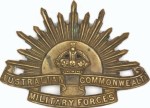

William John Leonard was born at Waratah, Tasmania on the 4th October 1883 to Charles and Elizabeth Leonard nee Richards. He grew up in Tasmania and at some stage he started working as a miner around the Stannary Hills area. He was a member of the Stannary Hills rifle club and was captain of the club. At the outbreak of war, he volunteered with the Citizens Military Force (Kennedy Regiment) and embarked aboard the “Kanowna” from Cairns on the 8th August 1914 for garrison duty on Thursday Island. He then volunteered for overseas service with the Australian Naval and Military Expeditionary Force on the 14th August and embarked from Thursday Island aboard the “Kanowna” for Port Moresby, New Guinea on the 16th August. He enlisted in the Australian Imperial Force at Cairns, Queensland on the 13th May 1916, aged 32 years. William’s next of kin is recorded as his mother, Elizabeth Leonard, Magnet, Tasmania and his occupation is given as a miner. The community of Stannary Hills farewelled William with a send-off attended by many local people. After some training, he embarked with the 3rd Machine Gun Company, 8th reinforcement, aboard H.M.A.T. A20 “Hororaia” from Melbourne, Victoria on the 23rd November 1916, disembarking at Plymouth, England on the 29th January 1917. He was transferred to the 4th Machine Gun Company on the 13th February 1917 and was then sent for some training at Perham Downs with the 3rd training company in May. He embarked for France from Southampton on the 7th August. William was wounded in action on the 1st October but remained on duty and was promoted to Lance Corporal on the 4th November. He was reported missing in action on the 6th April 1918 and was taken prisoner by the Germans and interned at Gustrow P.O.W. camp. He was allowed to send a letter home to his mother, which was posted on the 14th August 1918. In part, it read – “am being well treated and am in the best of health”. He spent the rest of the war as P.O.W. until he was released and arrived at Leith, Scotland on the 13th December 1918. He was sent down to London where he was admitted to the 2nd London General hospital, seriously ill with appendicitis. He was discharged from hospital on the 28th January 1919 and given leave until the 15th March. William returned to Australia aboard H.T. “Shropshire”, embarking on the 1st April 1919 and disembarking at Melbourne, Victoria on the 16th May. Lance Corporal William John Leonard was discharged from the Australian Imperial Force at Hobart, Tasmania on the 13th October 1919. He married Mabel Louisa Kenna in Hobart on the 14th May 1936. William enlisted in the Second Australian Imperial Force at Hobart, Tasmania on the 4th August 1941, serving in the Australian Supply depot in Tasmania. He was discharged as medically unfit on the 9th February 1945. William John Leonard died at Kingston Beach, Tasmania, on the 28th January 1957, aged 63 years, and was buried at Cornelian Bay Cemetery and Crematorium, Hobart, Tasmania.
Private, William Patrick McDonald, 6360, 25th Battalion, 18th Reinforcement.

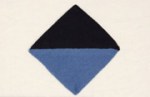
William Patrick McDonald was born at Charters Towers, Queensland on the 27th April 1897 to Alexander and Bertha McDonald nee Cavanagh. His next of kin is recorded as his mother, Mrs. Bertha Hodge (the surname McDonald has been crossed out) Stannary Hills, North Queensland. His occupation is given as Fireman and his age as 19 years. He enlisted in the Australian Imperial Force on the 18th November 1916 at Cairns, Queensland, taking the oath on the 21st October 1916. After some training with the 11th training battalion, he embarked for overseas with the 25th Battalion 18th reinforcement from Sydney, New South Wales aboard H.M.A.T. A64 “Demosthenes”, disembarking at Plymouth, England on the 3rd March 1917. He was admitted to ships hospital on the 28th February with mumps and on arrival in England was admitted to hospital at Devonport. After his discharge from hospital, he was sent to the 7th training battalion on the 23rd March. William embarked for France from Southampton on the 14th June 1917 and joined his battalion on the 3rd July. He was wounded in action with a wound to his right forearm on the 4th October and sent to England aboard H.S. “Panama” and admitted to the 4th Southern General hospital on the 22nd October. He was transferred to the 1st Australian Auxiliary hospital and then discharged to No. 2 Command Depot in January waiting return to Australia for discharge. He embarked for Australia aboard A8 “Osterley” on the 31st January 1918, stopping for several days at Capetown, South Africa before disembarking at Sydney, New South Wales on the 15th April 1918. Private William Patrick McDonald was discharged from the Australian Imperial Force at Brisbane, Queensland on the 20th May 1918. He returned to Stannary Hills where, on the 31st May 1918 a monster public welcome was given to the three returning invalid soldiers, Joe Wilesmith, William Slatcher and William. William Patrick McDonald died at Townsville, Queensland, on the 12th February 1950 and is buried at the Belgian Gardens cemetery, Townsville in an unmarked grave.
Private, Arthur Phillip Slatcher, 673, 11th Machine Gun Company.
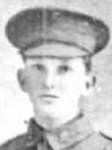
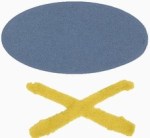
Arthur Phillip Slatcher was born on the 27th February 1897 at Gordonvale, Queensland to William and Amelia Slatcher nee Morris. He worked as a porter at Stannary Hills Tramway Station before he tried to enlist in the Australian Imperial Force but was rejected for being under standard. He presented himself at the Cairns Drill Shed for examination in mid-January 1917 and was accepted. After a send-off held at the Stannary Hills Masonic Hall, Arthur enlisted in the Australian Imperial Force at Cairns, Queensland on the 20th January 1917, aged 19 years. His next of kin is recorded as his father, William James Slatcher, Stannary Hills, vir Cairns, Queensland. His occupation is given as a ported (Railway). He did training with the 11th Depot Battalion until the 29th March, when he was attached to the 11th Machine Gun Company, 11th reinforcement. He embarked for overseas from Melbourne, Victoria aboard H.M.A.T. A29 “Suevic” on the 21st June 1917, disembarking at Liverpool, England on the 26th August. He was transferred to the 41st Battalion on the 27th August and ill health started to plague him. Arthur was diagnosed with Chronic Bronchitis and Poor Physique, and it was decided that he should return to Australia. He was sent to the No.2 Command Depot waiting to be returned to Australia. He embarked England aboard the ship A 54 “Runie” on the 20th December 1917, disembarking in Australia in February. Private Arthur Phillip Slatcher was discharged from the Australian Imperial Force at Brisbane, Queensland on the 5th April 1918. A monster public welcome home was given at Stannary Hills to three returning invalid soldiers, Joe Wilesmith, Willie McDonald and Arthur, on the 31st May 1918. Arthur married Bridget Newman on the 30th April 1937. Arthur Phillip Slatcher lived a long life, dying on the 29th June 1975. He is buried at the Martyn Street Cemetery, Cairns, Queensland.
Private, Ernest William Slatcher, 1579, 25th Battalion, 1st Reinforcement.

Ernest William James Slatcher was born at Cairns, Queensland on the 14th August 1891 to William and Amelia Slatcher nee Morris. He attended Gordonvale State School and at some stage the family moved to Stannary Hills. Ernest worked around Stannary Hills as a Labourer and was a member of the Stannary Hills Rifle Club. At the outbreak of war, he volunteered with the Citizens Military Force (Kennedy Regiment) and embarked aboard the “Kanowna” from Cairns on the 8th August 1914 for garrison duty on Thursday Island. He then volunteered for overseas service with the Australian Naval and Military Expeditionary Force on the 14th August and embarked from Thursday Island aboard the “Kanowna” for Port Moresby, New Guinea on the 16th August. He enlisted in the Australian Imperial Force at Cairns, Queensland on the 13th March 1915. After some training, he embarked for overseas aboard H.M.A.T. A60 “Aeneas” with the 25th Battalion 1st reinforcement from Brisbane, Queensland on the 29th June 1915, disembarking at Suez, Egypt in August. He embarked for Lemnos Island on the 5th September and landed at Gallipoli on the 12th September. After several days, he reported sick and was sent back to Lemnos Island and admitted to hospital where he was diagnosed with pneumonia. He was sent to Valetta hospital on Malta. He was discharged on the 9th October and sent to a convalescent depot to recuperate. William was charged with being AWL – Absent from parade on the 27th December and was sentenced to 5 days F.P. No. 2 (field punishment with hard labour). He was discharged to active service on the 4th January 1916 and embarked for Alexandria aboard H.T. “Bornu”, rejoining his Battalion on the 13th January. The 25th Battalion embarked from Alexandria for France around the 15th March, disembarking at Marseilles on the 19th March. The battalion did more training and worked in the back areas before it took part in its first major battle at Pozieres. It was here that Private Ernest William James Slatcher was killed in action on the 29th July 1916. William’s mother wrote to the authorities on the 29th December 1916 asking about her son’s effects. The reply stated that “there were no effects found in his kit”. His father received his son’s Memorial Scroll and Kings Message on the 14th August 1921, the Memorial Plaque on the 7th July 1922 and his medals in March 1923. William’s remains were found in 1923. The body had been identified by its ID disc. William’s father was notified that his son’s remains had been found and reburied at Delville Wood Cemetery. Longueval, France. William’s father received his son’s ID disc on the 12th July 1923.
Private, Herbert Percival Slatcher, 1959, 52nd Battalion, 9th Reinforcement.


Herbert Percival Slatcher was born at Hambledon, Queensland on the 19th December 1892 to William and Amelia Slatcher nee Morris. He was a member of the Stannary Hills rifle club and at the outbreak of the war he volunteered with the Citizens Military Force (Kennedy Regiment) and embarked aboard the “Kanowna” from Cairns on the 8th August 1914 for garrison duty on Thursday Island. He then volunteered for overseas service with the Australian Naval and Military Expeditionary Force on the 14th August and embarked from Thursday Island aboard the “Kanowna” for Port Moresby, New Guinea on the 16th August. He enlisted in the Australian Imperial Force at Cairns, Queensland on the 25th October 1916, aged 23 years. His next of kin is recorded as his mother, Ameila Slatcher, Stannary Hills, Irvinebank vir Cairns and his occupation is given as a miner. He embarked with the 52nd Battalion 9th reinforcement aboard H.M.A.T. A33 “Ayrshire” from Sydney, New South Wales on the 24th January 1917 and disembarked at Devonport, England on the 12th April 1917. He was sent to the 13th training battalion at Codford and several months later was admitted to hospital at Sutton Very for some X-Rays. On the 9th August, Herbert was charged with – “Insolence to an N.C.O. Giving false name and number at Codford on the 8th August.” He was awarded 7 days F.P. No.2 (field punishment hard labour) and forfeited 7 days’ pay. Herbert embarked for France from Southampton on the 20th August and joined his Battalion in the field on the 30th August. He was detached to the 13th Brigade Headquarters in the field on the 18th January 1918 and rejoined his battalion on the 8th March. At the beginning of April, the 52nd Battalion assisted in the repulse of a large German attack at Dernancourt and on the night of the 24th April the Battalion began the advance on Villers-Bretonneux. Herbert was wounded in action with a wound to the abdomen on the 24th April 1918. He was taken to the 25th Field Ambulance and transferred to the 47th General hospital at Le Treport on the 27th April. He was transferred to England aboard the “St David” on the 4th May and admitted to 3rd Southern hospital at Oxford the next day. After several weeks, he was transferred to the 3rd Australian Auxiliary Hospital at Dartford and then to No.3 Command Depot on the 14th June. Herbert was back in hospital with appendix on the 8th July, and after he had recovered, he was admitted to the 1st Australian Auxiliary Hospital, Harefield on the 20th August with problems with his abdomen wound. Herbert was invalid back to Australia on the 19th October aboard the “Sardina”, disembarking at Melbourne, Victoria on the 27th December. Private Herbert Percival Slatcher was discharged from the Australian Imperial Force at Brisbane, Queensland on the 18th July 1919. He returned to the Stannary Hills / Irvinebank area after his discharge. Herbert Percival Slatcher died at Cairns, Queensland on the 30th January 1968 and was buried at Cairns General Cemetery, Cairns, Queensland.
Private, J. Smith, 2734, 4th Pioneer Battalion, 5th Reinforcement.
John Henry Smith was born at Bundaberg, Queensland on the 14th July 1896 to Joseph and Margaret Smith nee Angus. Nothing is known of his early life except that he worked around Stannary Hills before the war and was a member of the Stannary Hills Rifle Club. At the outbreak of war, he volunteered with the Citizens Military Force (Kennedy Regiment) and embarked aboard the “Kanowna” from Cairns on the 8th August 1914 for garrison duty on Thursday Island. He then volunteered for overseas service with the Australian Naval and Military Expeditionary Force on the 14th August and embarked from Thursday Island aboard the “Kanowna” for Port Moresby, Papua on the 16th August. He enlisted in the Australian Imperial Force at Brisbane, Queensland on the 10th November 1915. His next of kin is recorded as his mother, Mrs Margaret Smith, Cairns, Queensland, and his occupation as a Bridge Carpenter. He also states that he served 6 months in the Citizens Military Force. John embarked from Brisbane with the 6th Field Engineers, 7th reinforcement aboard H.M.A.T. A 49 “Seang Choon” on the 19th September 1916, disembarking at Plymouth, England on the 9th December. John was admitted to hospital at Devonport for an unknown illness on the day he disembarked, and he was transferred to the 4th Pioneer Battalion on the 21st December. He embarked for France from Southampton on the 25th June 1917, joining his battalion on the 10th July. He was admitted to hospital with an injury to his right knee on the 14th November, rejoining his Battalion on the 27th January 1918. In 1918, the 4th Pioneer Battalion had a support role and took part in the German Spring Offensive, Hundred Days Campaign and the Hindenburg Line. John was given leave and was charged with being AWL on the 18th November “Absent for 3 days” he was given 3 days Field Punishment No.2 (Hard Labour unrestrained) and fortified 6 days pay. He was then transferred to the Australian Division Train on the 1st January 1919. On the 4th January, he was admitted to hospital with V.D. and his rank reverted back to private. He was sent to the Australian Dermatological Hospital at Bulford, England until he was discharged on the 16th January. John was appointed temporary Corporal on the 1st May, reverting back to Private on the 13th August. He married Elsie Manning Bater at the Registry Office, Andover, Southampton on the 12th August 1919. John was given indefinite leave on the 6th September awaiting a family ship for return to Australia. Mr. and Mrs. J. Smith embarked on the “Konigen-Luise” on the 18th December 1919, disembarking at Sydney, New South Wales on the 7th February 1920. Private John Henry Smith was discharged from the Australian Imperial Force at Brisbane, Queensland on the 2nd April 1920. He made a claim for Repatriation Benefits on the 24th May 1960. John Henry Smith died at Brisbane, Queensland on the 5th March 1969. At this stage, his last resting place is unknown.
Private, W. Smith.
At this stage we are unable to positively identify Private W. Smith.
Private, W. Smith.
At this stage we are unable to positively identify Private W. Smith.
Private, William Edward Still, 2251, 47th Battalion, 4th Reinforcement.
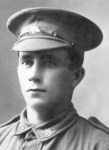
William Edward Still was born at Herberton, Queensland on the 16th September 1884 to William and Sarah Still nee Delaney. It is recorded that he did his schooling at Herberton before working in the Cardwell, Tully area of Queensland. He enlisted in the Australian Imperial Force at Townsville, Queensland on the 28th February 1916. His next of kin is recorded as his mother, Mrs. S.M.E. Still, Stannary Hills via Cairns North Queensland and his occupation is given as a Stockman. After some training, he embarked with the 47th Battalion, 4th reinforcement from Brisbane aboard H.M.A.T. A42 “Boorara” on the 12th August 1916, disembarking at Plymouth, England on the 13th October 1916. After more training with the 12th training battalion, he embarked for France aboard the ‘Princess Clementine” from Folkestone on the 21st December. William spent several weeks at the Australian Divisional Base Depot, Etaples, before joining his Battalion on the 6th February 1917. The 47th Battalion took part in the attack against Bullecourt before moving to the Ypres sector in Belgium and taking part in the battles of Messines and Passchendaele. William was reported missing in action on the 13th October 1917 after being taken prisoner at Roulers railway, Ypres. He was sent to the Limburg prisoner of war prison in Germany. His mother received official mail informing her that her son had been taken as a prisoner of war and was interned at Limburg on the 27th February 1918. The Australian press reported him missing on the 7th December 1917. After spending the rest of the war as a P.O.W. William was repatriated to Dover, England on the 2nd February 1919. He embarked for return to Australia aboard H.T. “Nevasa” on the 5th March 1919, disembarking at Brisbane, Queensland on the 1st May 1919. Private William Edward Still was discharged from the Australian Imperial Force at Brisbane on the 8th June 1919. He went back to the Cardwell, Tully area and married Veronica Mary Blackman on the 27th September 1926. William Edward Still died at Brisbane on the 7th September 1929 and is buried at the Toowong Cemetery, Brisbane, Queensland.
Private, John Henry Walters, 3532, 52nd Battalion, 9th Reinforcement.
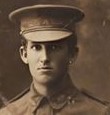

John Henry Walters (S.J. Walters on Honour Roll) was born at Pentland, Queensland on the 24th July 1896, the oldest child of 14 to Walter and Frances Walters nee Towler. Nothing is known about his younger days except that his parents moved to Stannary Hills at some stage. As a young man, he spent 6 months in the Mareeba No. 1 Citizens Force before he enlisted in the Australian Imperial Force at Townsville, Queensland on the 16th August 1915. His next of kin is recorded as his mother, Mrs. W. Walters, Stannary Hills, Irvinebank via Cairns, Queensland, his occupation is given as a Labourer and his age as 21 years. John was sent for training at Enoggera, Brisbane and was attached to the 5th Light Horse 14th reinforcement. It was discovered that his attestation papers had gone missing, and he had to fill out new enlistment papers. The second lot of enlistment papers are the same except for his occupation, which is recorded as a Woodcutter. John was having lots of trouble with his feet, which interfered with his training and his life in general. After more medical examinations, his condition was put down to having been “dragged by a railway engine along the railway line near Cairns about 18 months ago, breaking his left foot, and about 6 months ago near Stannary Hills his right foot received an axe wound requiring stitches. “These wounds cause stiffness in both feet with pains of an acting character while walking or exercising”. On the 11th November 1915, the Medical Board recommended that he be discharged as permanently unfit. John was discharged from the Australian Imperial Force on the 20th November 1915. His feet either came good or he was determined to enlist. As he re-enlisted in the Australian Imperial Force at Cairns, Queensland on the 25th October 1916, his enlistment papers were the same as the last papers except his occupation is recorded as a miner and his age was 20 years. He answered that he had been rejected from enlisting because he had “Varocele” – (abnormal painful swelling). He was granted home leave from 17th November 1916 to the 27th November. He embarked for overseas aboard H.M.A.T. A33 “Ayrshire” with the 52nd Battalion 9th reinforcement from Sydney, New South Wales on the 24th January 1917, disembarking at Devonport, England on the 12th April 1917. On the voyage over, he was admitted to ships hospital for an unknown illness on the 29th January and discharged on the 31st January. After he disembarked, he was sent to the 13th training battalion at Codford, where on the 28th July he was charged with being AWL and forfeited 2 days’ pay. John was admitted to the Australian Dermatological Hospital with Acne on the 18th August and discharged to the 2nd Australian Auxiliary hospital at Southall for duty with staff on the 24th August. He married Rose Elizabeth Green at the parish church, Uxbridge, Southall, Middlesex, on the 2nd February 1918 and one child is known from their marriage. John was transferred to the 2nd Australian Auxiliary hospital from the 52nd Battalion on the 15th February. He was again admitted to hospital on the 4th March with Acute Gingeritis (Inflammation of the gums), being discharged on the 8th March and was back in hospital on the 10th April with an abscess on his neck. The Medical Board recommended that John be discharged, and he was sent to the No.2 Command Depot at Weymouth waiting to return to Australia. He embarked for return to Australia aboard D8 “Ruahine” on the 12th May 1918 for discharge – Chornic Acme Culgerits (Skin Condition), disembarking in Sydney on the 5th July. Private John Henry Walters was discharged from the Australian Imperial Force at Brisbane, Queensland on the 25th July 1918. John and Rose divorced in 1925. John Henry Walters died at Brisbane on the 6th March 1959 and was interned at the Mount Thompson Memorial Gardens, Holland Park, Brisbane, Queensland.
Private, Arthur William Wilesmith, 80, 41st Battalion.


Arthur William Wilesmith was born at Atherton, Queensland on the 19th August 1897, the fourth child of 7 to Frank and Susan Wilesmith nee Putt. He spent his early years around Watsonville and Rocky Bluffs, where his father was the Battery Manager, before the family moved to Stannary Hills. He attended both Rocky Bluffs and Stannary Hills state schools. He became a member of the Stannary Hills rifle club and at the outbreak of the war he volunteered with the Citizens Military Force (Kennedy Regiment) and embarked aboard the “Kanowna” from Cairns on the 8th August 1914 for garrison duty on Thursday Island. He then volunteered for overseas service with the Australian Naval and Military Expeditionary Force on the 14th August and embarked from Thursday Island aboard the “Kanowna” for Port Moresby, New Guinea on the 16th August. Arthur enlisted in the Australian Imperial Force at Townsville, Queensland on the 18th October 1915. After training at Enoggera, he returned to Stannary Hills on final leave and was given a send-off before heading overseas. He embarked with the 41st Battalion from Sydney, New South Wales aboard H.M.A.T. A64 “Demosthenes” on the 18th May 1916, disembarking at Plymouth, England on the 20th July 1916. On the voyage to England, Arthur was charged with “Breaking out of Quarters” on the 22nd June, and he forfeited 20 days’ pay and 3 shillings expenses. Arthur was admitted to hospital with V.D. on the 17th August and discharged to join his unit on the 28th September. The 41st Battalion moved to France in November 1916 and entered the front line on Xmas eve. Arthur spent the next 12 months in and out of hospital with Mumps, Eczema, Tonsillitis and Inflammation of the Stomach. He was granted leave to England from the 19th January to the 2nd February 1918. On the 18th February, after Arthur’s return to France, he was admitted to hospital in the field with Trench Feet. He embarked for England aboard H.S. “Cambrai” and was admitted to Tankerton Hospital, Whitstable. He was transferred to the 1st Australian Auxiliary hospital at Harefield on the 25th March and then given leave until the 10th April to report to No.4 Command Depot at Hurdcott. Arthur was charged on the 13th June 1918 with” Conduct to the prejudice of good order and military discipline in that he attempted to draw pay at No.1 Command Depot when on strength of No.4 Battalion”. He forfeited 2 days’ pay. On the 30th October, Arthur returned to France as a reinforcement for the 44th Battalion, transferring back to the 41st Battalion on the 18th November 1918. He returned to England on the 7th April 1919 and embarked for Australia aboard the “Nestor” on the 20th May, disembarking at Sydney, New South Wales on the 4th July. Private Arthur William Wilesmith was discharged from the Australian Imperial Force at Brisbane, Queensland on the 20th August 1919. He returned to mining in the Stannary Hills and Emuford area before he enlisted in the Second Australian Imperial Force on the 30th May 1940. His enlistment papers show he lowered his age so he could enlist. He served in North Africa and Libya. Arthur embarked for return to Australia on the 31st January 1943 and disembarked at Sydney on the 28th February 1943. He married Olive Margaret Davis at Newtown, New South Wales on the 19th August 1943 and sort discharge from the Army. He was discharged from the Second Australian Imperial Force at Sydney on the 11th November 1943 “to take employment in an Industry or Occupation”. The couple moved to Cairns, where Arthur resumed his keen interest in rifle shooting. He was Champion of the Cairns Rifle Club and Champion of the Cairns and Inland District Rifle Union in 1949. That same year he shot for the King’s Prize in Brisbane. Arthur William Wilesmith died at Cairns on the 20th April 1973, aged 75 years, and is buried at Cairns General Cemetery, Cairns, Queensland.
Private, Joseph Edward Wilesmith, 33683, 11th Light Trench Mortar Battery.
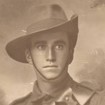
Joseph Edward Wilesmith was born at Watsonville, Queensland on the 8th December 1892. The oldest of 7 children to Frank and Susan Wilesmith nee Putt. He spent his childhood in the Watsonville area before his family moved to Rocky Bluffs, where his father was manager of the Rocky Bluffs Battery. The Rocky Bluffs school closed in 1910, and the family had to move to Stannary Hills for the younger children’s schooling. Joseph was a member of the Stannary Hills rifle club and at the outbreak of the war he volunteered with the Citizens Military Force (Kennedy Regiment) and embarked aboard the “Kanowna” from Cairns on the 8th August 1914 for garrison duty on Thursday Island. He then volunteered for overseas service with the Australian Naval and Military Expeditionary Force on the 14th August and embarked from Thursday Island aboard the “Kanowna” for Port Moresby, New Guinea on the 16th August. He tried to enlist in the Australian Imperial Force but was rejected for “Temporary Cardiac Weakness”. He tried again and was excepted, enlisting in the Australian Imperial Force at Cairns, Queensland on the 29th September 1916. After basic training, he embarked with the Medium Trench Mortar Battery, 7th reinforcement from Melbourne, Victoria, aboard H.M.A.T. A9 “Shorpshire” on the 10th May 1917, disembarking at Plymouth, England on the 19th July 1917. After more training at Larkhill he embarked for France from Southampton on the 11th September 1917 and was transferred to the 11th Light Trench Mortar Battery on the 21st September. Belgium – “On the 13th October at 4 P.M. the 11th Light Trench Mortar Battery moved forward with the 41st and 43rd Battalions to take over the line. The battery was in support of the battalions when they were bombarded with gas shells on the 17th and 19th with casualties. Joseph was wounded in action by gas poisoning on the 18th October (a medical report dated 17th January 1918 states – gassed on 16th October). He was evacuated to England aboard H.S. “Warilda” on the 2nd November and admitted to the Southern General hospital at Kings Heath. He was discharged with leave from the 28th November to the 12th December. On the 16th January 1918, he was transferred to the Australian Auxiliary hospital and then discharged to No.2 Command Depot waiting return to Australia. Joseph embarked on the “Durham Castle” from Devenport on the 10th March 1918, disembarking at Capetown and re-embarking on to the “Orontes” for Australia. He disembarked at Sydney, New South Wales on the 12th May 1918. Gunner Joseph Edward Wilesmith was discharged (Invalid) from the Australian Imperial Force at Brisbane, Queensland on the 15th June 1918. He returned to Stannary Hills and, with Private Willie McDonald, was “given a monster public welcome home”. He had moved to Cairns and married Ida Charity Northage on the 7th August 1920 and 1 child is known from there marriage. Joseph remained a member of the Stannary Hills rifle club as well as being a member of the Cairns and Kuranda rifle clubs. He was also a member of the Palace Theatre Orchestra in Cairns. Joseph had been working in Kuranda for about a month and was playing Billiards at the Crown Hotel, Kuranda when he sat down placing his billiard cue on the floor and collapsed. Joseph Edward Wilesmith died at Kuranda on the 16th December 1924. His death was related to his war service. He was buried at Cairns General Cemetery, Cairns, Queensland.

Small Towns and Mining Camps.
Montalbion.
Private, Bertie Gane, 3809, 31st Battalion, 9th Reinforcement.
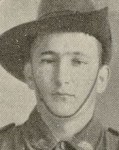
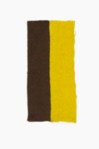
Bertie Gane was born Montalbion, Queensland on the 29th May 1892 to Edward and Annie Gane nee Moss. All we know of his younger days is that he may have attended Kuranda State School, Kuranda, Queensland. He enlisted in the Australian Imperial Force at Cairns, Queensland on the 15th April 1916. His next of kin is recorded as his brother James Edward Gane, Oakland, Cairns Railway Line, his occupation is given as a labourer and he was 23 years old. After a short period of training he embarked from Brisbane, Queensland with the 31st Battalion, 9th reinforcement aboard H.M.A.T. A49 “Seang Choon” on the 17th August disembarking at Plymonth, England on the 8th December 1916. Bertie was admitted to isolation hospital at Hurcott for an unknown illness on the 17th December, then on the 31st December he was charged with ” Whilst on active service failing to appear at a place of parade when ordered by his commanding officer ” he forfeited 3 days pay. He embarked for France from Folkstone, England aboard the “Princess Victoria” on the 16th January 1917. Bertie was charged again with 1 -” when on active service, breaking out of Isolation” and 2 – “improper conduct- hesitating to hand over pay book when ordered” he forfeited 14 days pay on the first charge and 10 days pay on the second charge. He joined his battalion in the field on the 19th March 1917. Between March and October the 31st Battalion was involved in follow-up operations on the Hindenburg Line and played a major roll in the battle at Polygon Wood in the Ypres sector Belgium. Bertie was wounded in action with a wound to his jaw on the 26th September and was sent to hospital. He was discharged to the No. 3 rest camp and rejoined his battalion in the field on the 25th October. He was granted leave to England from the 3rd March until 20th March 1918. He was admitted to hospital with Influenza on the 20th April and discharged on the 8th May, rejoining his battalion in the field on the 28th May. Bertie was wounded in action with a wound to his left arm on the 1st June and admitted to hospital at Boulogne on the 3rd June. He was sent to Woolwich hospital in England on the 6th June and then to the Australian Auxiliary hospital at Dartford on the 21st June. He was discharged to the 3rd Command depot at Hurdcott on the 17th July and then to an overseas training Battalion. He was charged with being A.W.L. form 29th October to the 30th October with the charge being dismissed. He returned to France from Southampton on the 6th November rejoining his Battalion in the field on the 10th November. With the end of the war he was granted leave in France from 22nd February 1919 to 3rd March and again granted leave, this time to England from 8th March to the 22nd March. He returned to France, were on the 24th March he was admitted to hospital in Calais for an unknown illness, being discharged on the 29th March and rejoined his battalion in the field on the 3rd April. He returned to England on the 13th May 1919 for return to Australia. Bertie embarked from England aboard the “Port Melbourne” on the 5th July 1919 disembarking at Melbourne, Victoria on the 20th August. On the voyage to Australia he was admitted to ships hospital on the 28th July with Tonsillitis. Private Bertie Gane was discharged from the Australian Imperial Force at Brisbane, Queensland on the 7th October 1919. He returned to North Queensland working and living in the area and applying for repatriation benefits in April 1962. Bertie Gane died at Cairns, Queensland on the 13th July 1964, aged 72 years and is buried at the Martyn Street, Cemetery, Cairns.
Private, John Thomas Gane, 2814, 41st Battalion, 6th Reinforcement.


John Thomas Gane was born on the 27th February 1894 at Montalbion, Queensland to Edward and Annie Gane nee Moss. As a child he may have attended Kuranda State School and as a young man worked as a Teamster. John enlisted in the Australian Imperial Force at Cairns, Queensland on the 18th October 1916 aged 22 years. His next of kin is given as his brother James Edward Gane, Oakland via Cairns, Queensland and his occupation is recorded as a Teamster. His enlistment papers state that he was rejected for services once because he suffered from Rheumatics. He was sent to Enoggera camp, Brisbane training with the 11th Depot Battalion from the 24th October to the 8th November. John embarked for overseas with the 41st Battalion, 6th reinforcement from Sydney, New South Wales aboard H.M.A.T. A64 “Demosthenes” on the 22nd December 1916, disembarking at Plymouth, England on the 3rd March 1917. He was attached to the 11th training battalion and was admitted to Fargo hospital for an unknown illness on the 24th March,being discharged back to the 11th training battalion on the 14th April. He embarked for France on the 2nd July, joining up with the 41st Battalion on the 18th July. John was wounded in action with a slight wound to his eye on the 3rd August re-joining his Battalion from hospital on the 10th August. He was admitted to hospital in September and again in October re-joining his Battalion on the 17th November. He was transferred to the 31st Battalion on the 16th January 1918 and admitted to hospital with scabies on the 27th March, re-joining the 31st Battalion on the 3rd April. He was granted leave to England from the 20th August to the 11th October and on his return was admitted to hospital with knee trouble on the 24th October. With the war over he was granted leave to England from the 10th February to the 24th February 1919. After being attached to the Divisional Loading Party he embarked for England on the 12th May for return to Australia. John embarked from England for returned to Australia aboard the “Port Melbourne” on the 5th July and disembarked at Melbourne, Victoria on the 22nd August. Private John Thomas Gane was discharged from the Australian Imperial Force at Brisbane, Queensland on the 20th September 1919. He married Grace Elise Turner Parry on the 14th November 1928 and one child is known to the marriage. He lived in Mareeba and then at Tugan on the Gold Coast. In 1963 he applied for a copy of his lost discharge papers so he could apply for a war services load. John Thomas Gane died at Brisbane on the 21st December 1979 and is buried at the Lutwyche Cemetery, Brisbane, Queensland.
Private, William Gilbert Tait, 8983a, 2nd Divisional Train / 20th Battalion.
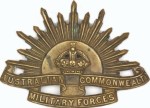

William Gilbert Tait was born at Montalbion, Queensland to James and Bridget Tait nee Daly on the 21st January 1893. He worked as a labourer until he volunteered for the Australian Naval and Military Expeditionary Force at Sydney, New South Wales on the 16th August 1914. He embarked from Sydney aboard the “Berrima” for German New Guinea on the 19th August 1914, serving 6 months in F Company, 1st Tropical Force. On his return to Sydney he was discharged from the Force on the 18th January 1915. William enlisted in the Australian Imperial Force at Liverpool, New South Wales on the 1st April 1915. He was attached to the Ammunition Reserve, 4th Light Horse as a Trooper on the 30th March and embarked from Sydney, New South Wales aboard H.M.A.T. A44 “Vestalia” on the 22nd June bound for Egypt. At some stage, either on the voyage to Egypt or after embarking at Egypt he was transferred to the 2nd Divisional Train Horse, 20th Army Service Company, promoted to Driver and given a new regimental number 8983. The Company embarked from Alexandria, Egypt on the 20th March 1916 disembarking at Marseilles, France on the 28th March. William was admitted to the 6th Field Ambulance with Neuralgia on the 7th October and discharged back to his unit on the 10th October. He was given leave to England from the 22nd January 1917 to 12th February, returning to his unit which had moved to Belgium. He was again granted leave to England from the 22nd January 1918 to the 6th February. On the 21st April he reverted back to Private at his own request and transferred to the 20th Battalion. William was wounded in action, gassed on the 16th May 1918 and sent to the 1st Canadian General Hospital at Etaples and then to the 22nd General Hospital at Tronville, rejoining his battalion on the 7th July. Private William Gilbert Tait was killed in action on the 11th August 1918 and buried at the Military Cemetery adjoining the German Keil Cemetery. His mother wrote a letter making claim for differed pay and any private belongings of her son. She received her son effects by parcel on the 13th March 1919. She was notified by letter dated 17th June 1920 that her sons body had been exhumed and reburied at Heath Cemetery, Harbonnieres, Picardie, France. William’s father received his sons memorial Plaque on the 1st November 1922.
Private, Andrew Tait, 1915, 3rd Pioneer Battalion.
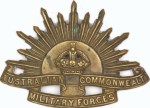

Andrew Tait was born at Mountalbion, Queensland on the 30th June 1896 to James Tait and Bridget Daly. He attended Irvinebank State School from 1903 to 1909. He probably worked around Irvinebank mining as a young man. He enlisted in the Australian Imperial Force at Cairns, Queensland on the 25th March 1916, aged 20 years. His occupation is recorded as a miner, his address as Cairns, Queensland and his next of kin as his mother Mrs. Bridget Tait, Irvinebank. He was allotted to the 11th Depot Battalion on the 3rd April and then to the 41st Battalion on the 10th May 1916. After some training he embarked with the 41st Battalion from Brisbane, Queensland aboard H.M.A.T. A42 “Boorar” on the 16th August 1916 and disembarked at Plymouth, England on the 13th October 1916. On the ship coming over from Australia, Andrew was charged with” Failing to report for ships guard being Absent without Leave” he forfeited 21 days pay. On the 6th November, Andrew was in trouble again, this time he was charged with” in the field – After being told by the company Sergeant to be on parade at 9.00 am he neglected to do so” he forfeited 3 days pay. He was transferred to the 3rd Pioneer Battalion on the 22nd November 1916 and then proceed with the 3rd Pioneer Battalion to France on the 24th November. He was admitted to Hospital with Synovitis (Swollen Joints) on the 14th January 1917 and rejoined his unit on the 18th January. On the 12th December 1917 he was sent to the 1st Anzac Corps School at Aveluy and rejoined his unit on the 21st January 1918. ( Anzac Corps schools trained men in Bombing, Lewis Guns, Trench Mortars, Signalling) Andrew was given leave in France from the 23rd June till the 11th July 1918 he was then Detached for duty to the 3rd Division Head Quarters on the 1st August 1918 and rejoined his unit on the 12th September. Andrew was admitted hospital on the 25th January 1919 and then transferred to the Australian Dermatological Hospital with V.D. on the 3rd February. After his release form hospital he was attached to the 3rd Training Depot waiting is return to Australia. Andrew was Absent without Leave on the 3rd June 1919 and forfeited 6 days pay. He embarked for Australia aboard the “Konig Luise” on the 21st June 1919 and disembarked in Australia on the 18th August 1919. Private Andrew Tait was discharged from the Australian Imperil Force on the 2nd October 1919. He married Elizabeth Margaret Monaghan on the 22nd July 1924. Andrew Tait died Home Hill, Queensland, aged 80 years on the 26th December 1975. He is buried at the Home Hill General Cemetery.
Orient Camp.
Private, William George Fraser, 6017, 15th Battalion, 19th Reinforcement.
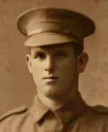
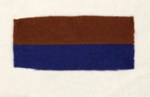
William George Fraser was born at Orient Camp, Queensland on the 20th January 1892 to George and Minnie Fraser nee Mathews. George attended Irvinebank State School from August 1898 to June 1905. His father had been working in Irvinebank as a blacksmith and moved his family to their new home and small tin battery at New Era near Bakerville to pursue tin mining. George learnt the art of tin dressing and, after some time, took a job as a tin dresser at the Bishops mill near Watsonville. He was also a member of the Watsonville Rifle Club. It was from Watsonville that George, John Grace and George Rowlands set off to Herberton to put their names down to enlist in the Australian Imperial Force. The three men were given a big send-off at the Watsonville School of Arts before they left for active service. George signed up with the Australian Imperial Force at Cairns, Queensland on the 22nd January 1916. After some training, he embarked with the 15th Battalion, 19th reinforcement from Brisbane, Queensland on H.M.A.T. A50 “Itonus” on the 8th August 1916. Disembarking at Plymouth, England on the 18th October 1916, where he was sent to the 4th training battalion on the 15th November. George proceeded overseas to France aboard the “Princess Victoria” from Folkestone on the 16th January 1917, disembarking the next day at Etaples. After a few days at the Australian Divisional Base Depot, he was taken on strength in the field with the 15th Battalion on the 23rd January. Private William George Fraser was killed by shell fire on the 11th April 1917, no body was found. In March, George’s mother wrote to base records in Melbourne, Victoria requesting information on how her son died. Their reply was – “William George Fraser, 15th Battalion, was killed by a shell on or about the 11th April 1917 at Ploegsteert Wood, Belgium, while digging a trench at night with several others. His remains were buried by a fatigue party and a cross erected bearing his name and regimental particulars. His mother received his war medals as his father died in July 1924. She also received his memorial scroll and king’s message on the 30th March 1925. She wrote a letter to Base records dated 24th January 1934 requesting the whereabouts of her son’s belongings. The return letter, in part, states” in view of the length of time that has elapsed since the report of his loss, it must be reluctantly concluded that none of his belongings were recovered”. Private William George Fraser is commemorated at the Australian National Memorial, Villers-Bretonneux, France.
George Fraser is also on the Watsonville Roll of Honor.


 Irvinebank District Anzacs